
Grenoble Architecture Tours and Heritage Visits
Join Grenoble architecture tours and heritage visits this year. Explore medieval sites and modern Olympic designs. Book your expert Alpine tour for 2025 now!
On this page
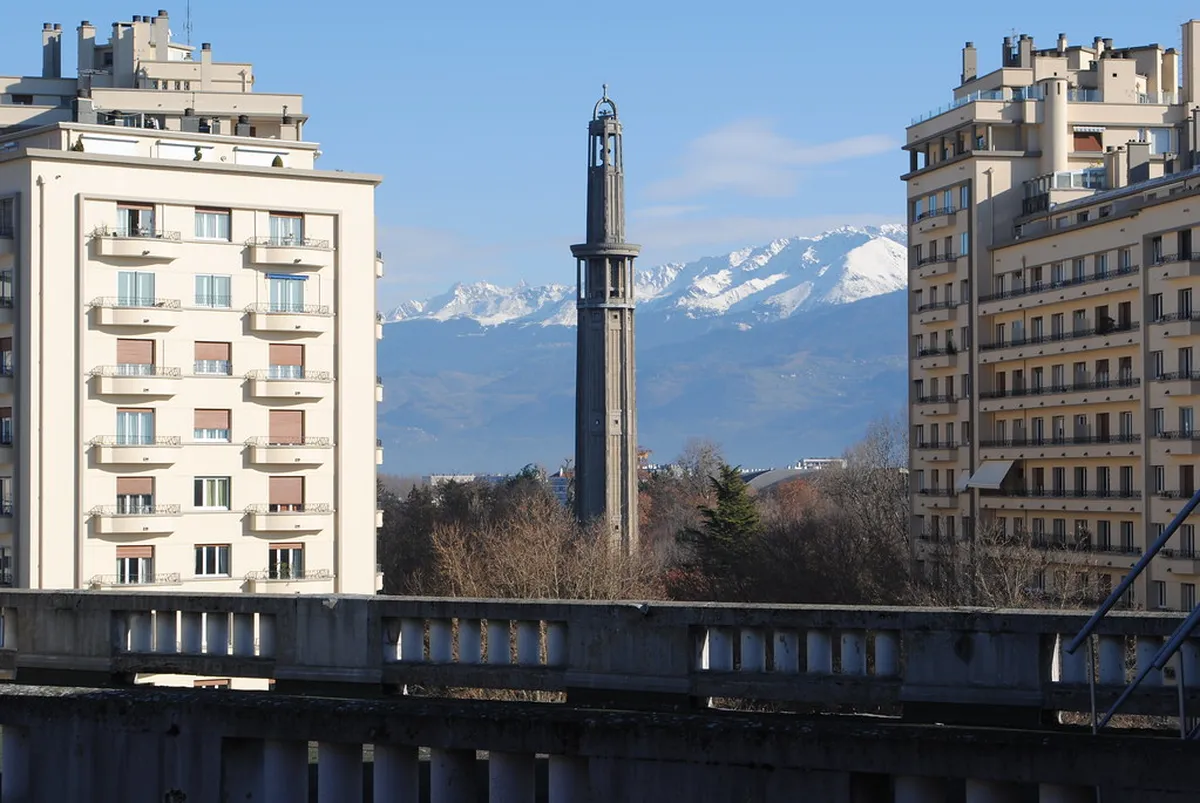
Grenoble sits deep in the French Alps and offers amazing views for every visitor. You should experience Grenoble architecture tours and heritage visits to see the city's unique history. The local buildings range from ancient Roman walls to futuristic glass structures. It is a perfect place for anyone who loves design and history.
The city underwent a massive change during the mid-twentieth century for the Olympic Games. You will find that the urban landscape blends mountain beauty with bold industrial design. Exploring these streets reveals the true character of this vibrant French mountain hub. Prepare your walking shoes for an unforgettable journey through time and space.
Guided tours provide the best way to understand the local culture and building styles. Expert guides explain how the city expanded from its medieval roots into a modern tech center. You can see many different eras of construction within just a few city blocks. These heritage visits help tourists appreciate the skill of French architects over the centuries.
Exploring Historic Old Town Heritage
The heart of the city features many medieval and Renaissance buildings for you to see. You can wander through narrow streets filled with colorful stone facades and tall windows. Most Grenoble architecture tours and heritage visits begin in this historic central area. The local limestone gives the old buildings a very warm and inviting appearance.
Walk through the Place Saint-André to see the old Parliament building from the fifteenth century. This site shows the transition from late Gothic styles to the early Renaissance period. You will notice intricate carvings on the old town Grenoble historic facades during your walk. Each stone doorway tells a secret story about the wealthy merchants of the past.
The Place Grenette serves as the main social hub for locals and tourists alike. Many buildings here date back to the seventeenth and eighteenth centuries with beautiful iron balconies. These structures reflect the wealth that came to the city through the local glove-making industry. You can stop at a cafe here to admire the classic French urban planning.
Visit the Cathedral of Notre-Dame to see the religious side of the heritage of the city. This cathedral features a mix of Romanesque and Gothic architectural elements from various building phases. It stands as a testament to the long religious history of this Alpine capital city. Entrance to the cathedral is usually free for all visitors during daylight hours.
Historic tours often cost around fifteen to twenty-five euros per person for a guided group walk. These sessions typically last for two hours and cover the most famous central landmarks. You should book your tour at least two days in advance during the busy summer. Spring and autumn offer cooler weather which is much better for long walking tours.
Modernism and the 1968 Olympic Legacy
The year 1968 changed the face of the city forever because of the Winter Olympics. The French government invested heavily in new infrastructure and bold modern buildings for the games. You will see how these designs focused on speed, movement, and the use of concrete. This period marked the birth of the modern identity for this mountain destination.
The City Hall is a prime example of the innovative architecture from the Olympic era. It features a suspended glass facade that was very daring for the late sixties period. You can explore the Grenoble 1968 Olympics legacy buildings to see this unique style. The building remains a symbol of the city's forward-thinking and modern political spirit.
Another iconic site is the MC2 cultural center which stands as a masterpiece of modernism. This building hosts many concerts and shows throughout the year for the local community. Its massive scale and clean lines represent the optimism of the late twentieth-century French design. Tours of the interior are sometimes available if you check the schedule online.
The Olympic Village also shows how the city planned for residential growth after the games ended. These buildings were designed to provide high-quality housing for athletes and then for local citizens. They feature large windows and open balconies to let in the bright Alpine sunlight. Many visitors find the geometric patterns of these apartment blocks to be very striking.
Heritage visits to these modern sites usually involve a short tram ride from the city center. A day pass for the local tram system costs about five euros for unlimited travel. This makes it very easy to reach the further Olympic venues in the southern districts. You can spend a full afternoon photographing these impressive examples of twentieth-century French design.
Iconic Brutalist Landmarks in the Alpine City
Grenoble is famous among design fans for its extensive collection of raw concrete buildings. This style is known as Brutalism and it was very popular in France during the seventies. Architects used concrete to create massive shapes that felt powerful and permanent against the mountains. These structures offer a fascinating contrast to the jagged peaks that surround the valley.
The SSS building is one of the most famous residential towers in the entire region. It looks like a giant stack of concrete blocks that reaches high into the blue sky. You can learn about brutalist architecture in Grenoble by visiting these iconic housing projects. Many people find the raw texture of the concrete to be surprisingly beautiful.
The University of Grenoble campus also features several massive brutalist structures that are worth a visit. These buildings were designed to be functional yet expressive for the thousands of students here. Walking through the campus feels like visiting an outdoor museum of modern concrete design. The sheer scale of the lecture halls and libraries is truly impressive to see.
Critics often debate the beauty of these concrete giants but their historical value is undeniable. They represent a time when the city was growing rapidly as a center for science. Many of these sites are now protected as important parts of the French national heritage. You can join specialized tours that focus specifically on this unique concrete aesthetic.
Most brutalist sites are free to view from the outside at any time of the day. You should bring a wide-angle lens for your camera to capture the full scale of buildings. Local experts recommend visiting these sites during the golden hour for the best lighting effects. The shadows on the concrete create dramatic patterns that look great in professional photos.
Innovative Sustainable Design in De Bonne
The De Bonne district is a modern example of how the city values sustainable urban design. This area was once a military base but now serves as a green eco-neighborhood. It was one of the first major sustainable development projects in all of France. You can see how old barracks were repurposed into modern shops and living spaces.
The project uses solar panels and natural insulation to reduce the energy needs of the buildings. You will notice many gardens and water features that help cool the air in summer. Learning about the De Bonne eco-district sustainable design is essential for modern urban fans. The district shows that architecture can be both beautiful and kind to the environment.
Public parks are integrated directly into the residential areas to promote a healthy lifestyle for all. You can walk through the central park to see how children play among modern sculptures. The district is mostly car-free which makes it very quiet and pleasant for a long stroll. It represents the future of city living in the twenty-first century.
The shopping center in De Bonne features a massive glass roof that provides lots of natural light. This reduces the need for artificial lighting during the day and saves a lot of electricity. It is a popular spot for locals to meet for coffee or weekend shopping trips. The mix of old stone and modern glass is very pleasing to the eye.
Guided tours of the eco-district explain the technical details of the water recycling and energy systems. These tours are perfect for students and professionals interested in green building techniques in 2025. You can book these visits through the local tourism office for a small fee. Most tours last about ninety minutes and include a walk through the main park.
Planning Your Guided Heritage Visits for 2025
Booking your Grenoble architecture tours and heritage visits early is the best way to ensure a spot. The city becomes very busy with tourists during the summer months of July and August. You might prefer visiting in May or September when the weather is mild and pleasant. Most professional guides offer tours in several languages including English, French, and Spanish.
You can also choose to do a self-guided Grenoble architecture walking tour using a mobile app. This allows you to move at your own pace and stop for photos whenever you want. Many apps provide audio commentary that explains the history of each building you pass. This is a great option for solo travelers or small families.
Remember to check the opening hours for specific museums and heritage sites before you start your day. Some buildings are closed on Mondays or during the lunch hour in the traditional French style. Most heritage sites in the city charge between five and ten euros for adult entry tickets. You can save money by purchasing a city pass at the main tourism office.
The tourism office is located near the Place Grenette and provides free maps for all visitors. They can help you find the best routes for seeing both historic and modern architectural sites. Ask the staff about any special exhibitions that might be happening during your stay in 2025. They often have brochures for specialized tours that focus on hidden street art or industrial history.
Wear comfortable shoes as the city is best explored on foot to see the small details. You will likely walk several miles if you want to see all the major architectural districts. The terrain is mostly flat in the valley but some sites require a bit of climbing. Always carry a bottle of water and a hat during the sunny summer afternoons.
Frequently Asked Questions
What is the most famous building in Grenoble?
The Bastille fortress is the most iconic structure overlooking the entire city. It features unique spherical cable cars known as the bubbles that were added in 1976. You can see the blend of military history and modern transport design at the top.
How long do the architecture tours usually last?
Most guided walks last between two and three hours depending on the specific theme chosen. Specialized tours for brutalism or the Olympics might take a bit longer due to travel time. You should allow a full morning for a comprehensive tour of the old town.
Are the heritage sites accessible for people with mobility issues?
Many modern districts like De Bonne are very flat and easy to navigate with a wheelchair. However, some parts of the medieval old town have narrow sidewalks and uneven cobblestone streets. Most public buildings have ramps or lifts installed for visitors to use in 2025.
Can I visit the Olympic buildings from the inside?
Some buildings like the City Hall are open to the public during normal business hours. Others are private residential blocks that you can only view from the outside streets. Guided tours sometimes include access to the interiors of key historic and modern landmarks.
Grenoble is a treasure for anyone interested in the evolution of French urban design over many centuries. You will find that Grenoble architecture tours and heritage visits offer deep insights into the local culture. From the medieval facades of the old town to the concrete towers of the sixties, the variety is stunning. Plan your visit for 2025 to see how this Alpine city continues to innovate and grow. Book your tour today to discover the architectural secrets of the beautiful French Alps.
Key Takeaways
- Explore a mix of medieval, brutalist, and sustainable architecture in one Alpine city.
- Join guided tours to learn about the 1968 Winter Olympics design legacy.
- Visit the De Bonne eco-district to see the future of green urban living.
Related reads: architecturebycity.com, architecture in grenoble.