
Tufa Stone Masonry in the Loire Valley: Amboise Study
Explore tufa stone masonry in the Loire Valley. Learn about its use in Amboise architecture. Discover restoration and history for 2025 travelers today!
On this page
Amboise is a historic gem in central France. The city showcases remarkable tufa stone masonry in the Loire Valley. This local limestone provides a distinct glow to the skyline. Travelers in 2025 will notice its unique texture immediately. Experts admire the material for its versatility and beauty. It defines the character of many royal structures in the region. You can learn about architecture in Amboise during your visit.
The Geological Essence of Tufa Stone
Tufa stone is a type of fine-grained limestone. It originated from marine deposits during the Cretaceous period. The Loire Valley sat under a shallow sea back then. Microscopic organisms formed the base of this rock over millions of years.
The chemical composition is mostly calcium carbonate. It also contains small amounts of mica and quartz. These minerals give the stone its reflective quality. Sunlight makes the buildings in Amboise appear luminous during the day.
Porosity is a defining characteristic of this white stone. The tiny holes allow the material to breathe naturally. This helps regulate temperatures inside the thick castle walls. Modern architects still study these thermal properties for sustainable design today.
The rock is exceptionally lightweight compared to granite or basalt. This made transport easier across the rolling river landscape. Builders could move large blocks with limited mechanical power. The local availability reduced costs for the royal court significantly.
Extraction and Historic Quarrying Methods
Historical quarries are located directly beneath the city of Amboise. Many people carved homes out of these excavated spaces. These dwellings are known locally as troglodyte caves. They provide a glimpse into ancient living conditions and techniques.
Workers extracted stone using manual saws and heavy iron wedges. The process required immense physical strength and precision. Learn more about quarrying limestone for Amboise castles to understand this labor. Modern safety standards have since changed extraction methods.
Today most active quarries are located deep underground. This prevents damage to the beautiful surface landscape. Massive machines now handle the cutting of large stone blocks. Precision technology ensures minimal waste during the modern extraction process.
Environmental protection is a priority for all 2025 mining operations. Regulations ensure that quarry sites are restored properly after use. Old tunnels often serve as wine cellars or mushroom farms. This multi-use approach supports the local economy in sustainable ways.
Royal Construction and Castle Design
The French royalty loved the aesthetic of tufa stone. It allowed them to build massive and impressive structures quickly. The material softness was ideal for complex Renaissance designs. You can see this at the Chateau Royal d'Amboise architecture site.
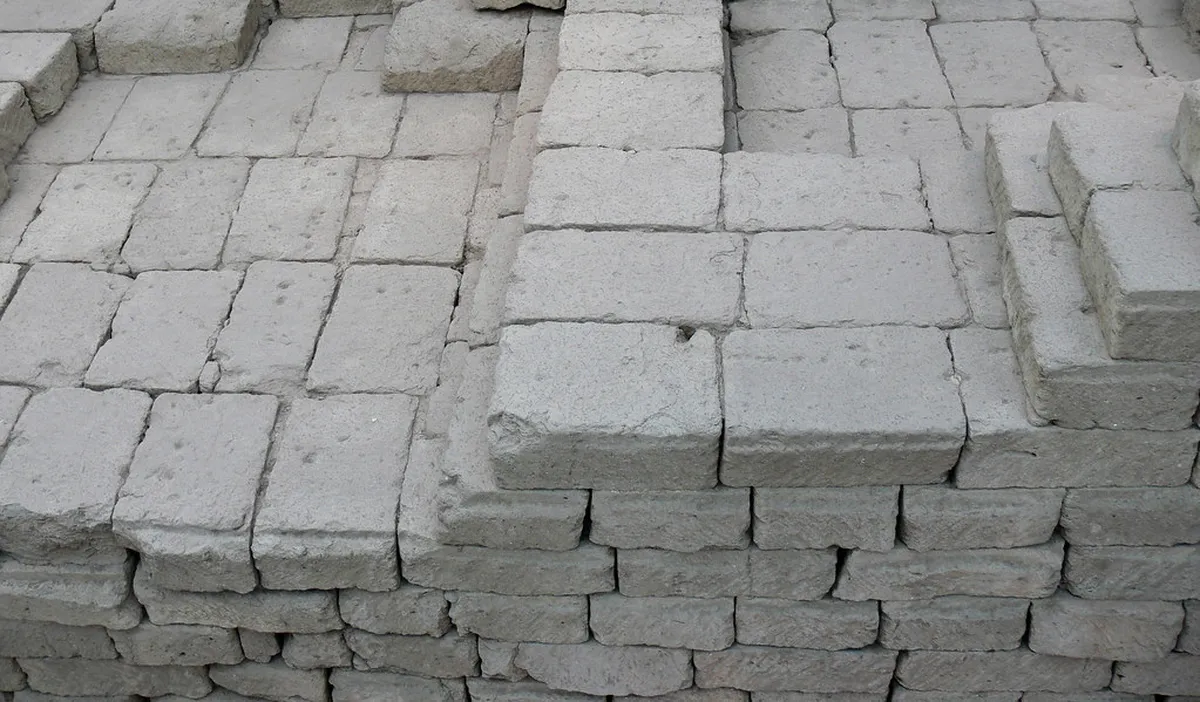
Tufa stone masonry in the Loire Valley defines the skyline. Master masons used thin mortar joints for a seamless look. This created smooth surfaces for grand decorative reliefs and sculptures. Every facade tells a story through carved stone images and patterns.
The stone is easy to cut into precise geometric shapes. This allowed for the creation of tall and elegant chimneys. Dormer windows also benefited from the material excellent workability. These features are iconic symbols of the region wealth and power.
Large blocks were used for the main load-bearing walls. Smaller pieces filled the gaps between major structural elements. This hybrid technique ensured the stability of the tall towers. Most castles have stood for over five centuries without failure.
Durability and Longevity of the Material
Tufa stone is surprisingly resilient despite its initial softness. It reacts with the air to create a hard crust. This natural layer protects the stone from wind erosion. Many structures require very little structural maintenance on an annual basis.
Moisture remains the biggest threat to this porous material. Water can seep into the stone and cause cracking. Proper drainage systems are essential for every historic building. For more details check the durability of Touraine tufa stone guide.
Moss and lichen often grow on north-facing castle walls. These biological growths can trap humidity against the stone surface. Regular cleaning prevents long-term damage to the historic facade. Specialized soft brushes are used to avoid scratching the material.
Air pollution can also discolor the bright white surface. Experts monitor carbon levels near historic sites in Amboise. In 2025 pedestrian zones help reduce harmful vehicle emissions. This protects the heritage for future generations of world travelers.
Modern Restoration and Conservation Skills
Restoring ancient walls requires a specific set of craft skills. Artisans must use materials that match the original stone exactly. Mixing modern cement with tufa stone is strictly forbidden. It prevents the natural stone from breathing and causes decay.
Lime-based mortars are the standard choice for current repairs. These mixtures allow moisture to escape the masonry wall. Restorers often study tufa stone restoration techniques to master this craft. The goal is always invisible and lasting repair work.
Lasers are now used to clean delicate stone carvings. This technology removes dirt without touching the soft material. It preserves the fine details of Renaissance sculpture perfectly. Many local workshops offer demonstrations of these high-tech tools now.
Finding high-quality replacement stone is a constant challenge. Only a few quarries still produce architectural-grade tufa today. Restorers often salvage stone from old or ruined structures. This recycling keeps the city character authentic and visually consistent.
Frequently Asked Questions
Why is tufa stone so white?
The high calcium carbonate content gives the stone its color. It reflects sunlight and creates a bright appearance. This makes the castles look luminous against the green landscape. The color remains stable unless affected by heavy pollution.
How do you maintain tufa stone walls?
Regular inspections for water damage are very important. You should clean moss using gentle manual methods only. Avoid using high-pressure water sprays on the soft surface. Ensure all drainage pipes are clear and functioning correctly.
Can travelers visit the old stone quarries?
Many old quarries are now open to the public. Some function as unique wine cellars for local vintners. Others house underground museums or art galleries in Amboise. These sites offer a cool escape during hot summer days.
Tufa stone masonry in the Loire Valley remains an architectural wonder. Its unique properties allowed the French Renaissance to flourish in Amboise. Travelers in 2025 can still appreciate the craftsmanship of ancient builders. This material continues to define the beauty of the region today. Plan your trip to see these white stone masterpieces in person soon.
Key Takeaways
- Tufa stone is a porous limestone from the Cretaceous period.
- The material is soft when quarried but hardens over time.
- Royal architects used tufa for its ease of carving and bright color.
- Modern restoration requires specialized lime-based mortars and laser cleaning.
- Troglodyte dwellings show the historical connection between residents and the stone.