
Exploring Château Royal d'Amboise Architecture
Discover the stunning Château Royal d'Amboise architecture in 2025. Learn about Gothic and Renaissance styles in this iconic French royal palace today.
On this page
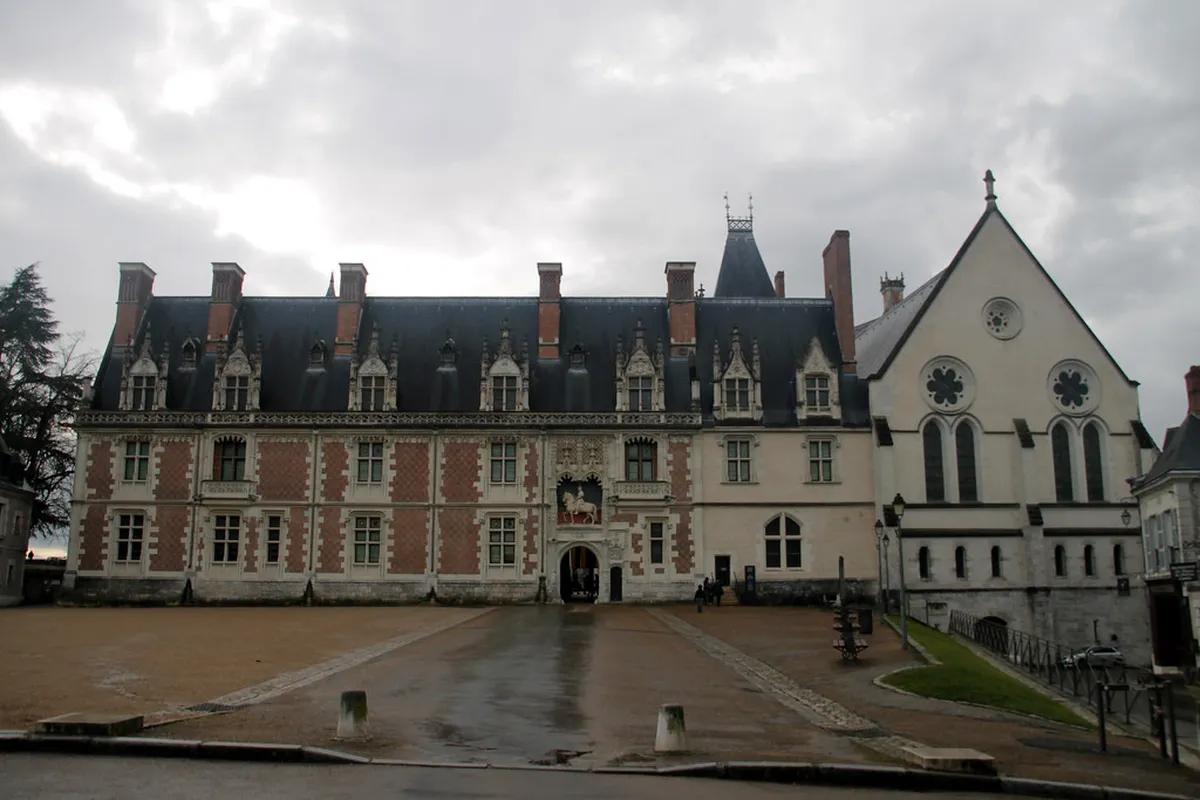
The Château Royal d'Amboise architecture stands as a true masterpiece of French history and design. This grand royal residence dominates the scenic Loire Valley skyline from its high rocky perch. Visitors in 2025 will marvel at the unique mix of different European building styles here. It reflects the transition from medieval defensive towers to the elegance of artistic royal palaces.
You will find this landmark in the heart of the charming city called Amboise. The castle served as a home for many powerful kings and queens of France. Exploring the grounds reveals secrets about how royalty lived during the busy Renaissance period. The site offers a perfect look at how French power was shown through grand buildings.
Gothic Roots of Château Royal d'Amboise Architecture
King Charles VIII transformed this ancient site into a grand and luxurious royal palace. The early structures highlight the stunning beauty of late medieval Flamboyant Gothic design styles. Intricate stone carvings and sharp pointed arches decorate the oldest wings of the castle. These delicate details show the incredible craftsmanship found throughout the late medieval France era.
The St. Hubert Chapel remains a major highlight of this specific architectural style today. It features very delicate stonework that looks like fine white lace on the facade. This famous chapel serves as the final resting place for the great Leonardo da Vinci. You can see St. Hubert Chapel flamboyant gothic elements throughout the exterior masonry work today.
The Charles VIII wing demonstrates a combination of defensive power and royal luxury together. Its thick stone walls and heavy towers protected the royal court from various enemies. Large windows were later added to allow much more natural light inside the rooms. This unique blend makes the massive castle feel both very strong and quite inviting.
Masonry techniques used at the castle relied on high quality local materials from Amboise. Skilled builders used white tufa stone to create many intricate and beautiful patterns here. This soft stone allowed for the detailed sculptures that visitors see on the walls. The white stone glows beautifully during the golden hour in the city of Amboise.
Italian Renaissance Influence on the Palace
King Charles VIII brought many Italian artists to France in the year fourteen ninety five. These artists introduced new ideas to the Château Royal d'Amboise architecture at that time. They combined local French traditions with the beauty of Italian aesthetic principles and designs. This fusion created a unique style now known as the elegant French Renaissance style.
The Louis XII wing shows a distinct shift toward horizontal lines and balanced proportions. Terraces and open galleries became much more common in the design of the palace. These outdoor spaces allowed the royal family to enjoy the fresh air and river views. You can explore French Renaissance architecture in Amboise across the massive castle grounds today.
Decorative motifs like pilasters and shells replaced the older and more complex Gothic patterns. The focus of the builders shifted from vertical height to horizontal balance and symmetry. Sculpted dormer windows became a signature feature of this exciting and new architectural era. They added a layer of elegance to the steep slate roofs of the royal palace.
Leonardo da Vinci lived nearby and influenced the artistic atmosphere of the entire royal castle. His presence encouraged a spirit of innovation and rapid artistic growth within the French court. Many scholars believe his engineering ideas helped to shape the later layouts of the gardens. This period marked the very height of the royal importance for the city of Amboise.
Defensive Walls and the Grand Cavalier Towers
The castle sits very high on a limestone cliff for natural defense and protection. Massive ramparts surround the entire royal estate to keep the residence safe from all attackers. These thick walls provided a clear and wide view of the beautiful Loire River below. They kept the French kings safe during many historical conflicts over several hundred years.
Two massive towers allow horses to reach the upper terraces of the castle easily. The Minimes Tower and Heurtault Tower use large spiral ramps instead of traditional stone stairs. These ramps are wide enough for horse-drawn carriages to pass through the tower comfortably. This engineering feat was truly revolutionary for the late fifteenth century in all of Europe.
These towers dominate the landscape and define the city silhouette for visitors arriving today. They demonstrate how Amboise castle defensive ramparts combined military function with royal grandeur. Each massive tower rises over forty meters from the street level in the town. They remain some of the most impressive and unique structures in all of France.
The thickness of the tower walls reaches several meters to provide maximum structural strength. This design ensured the structures could withstand heavy artillery fire from any potential enemy forces. Today, visitors can walk up these wide ramps to reach the high terrace gardens. The views from the top are truly breathtaking for every modern photographer and traveler.
Gardens and Exterior Architectural Integration
The gardens are an essential part of the overall layout of the royal castle. They offer stunning panoramic views of the Amboise town and the winding Loire River. Designers used the high terraces to create very structured and beautiful green spaces. These gardens reflect the order and perfect symmetry of the early Renaissance design movement.
Mediterranean plants grow very well in the unique microclimate of the castle grounds today. Holm oaks and green boxwood hedges define the walking paths for all the visitors. You can see the best spots to photograph Amboise skyline from these high terrace walls. The greenery contrasts beautifully with the white tufa stone used in the buildings.
Statues and historic memorials are scattered throughout the manicured lawns of the royal estate. One prominent statue honors Leonardo da Vinci near his quiet burial site in the chapel. These artistic elements add a layer of historical storytelling to the beautiful outdoor landscape. The gardens invite slow walks and quiet reflection for every traveler visiting the site.
Recent restoration projects have kept the gardens looking pristine for the new year of 2025. Modern landscaping techniques help to preserve the historical integrity of this very special site. Water features were once quite common in the original royal plans for the gardens. Today, the focus remains on maintaining the elegant and classical atmosphere of the palace.
Inside the Château Royal d'Amboise Architecture
The interior rooms display a fascinating mix of royal styles from different historical periods. Large stone fireplaces dominate the main halls and the private living quarters of the kings. Gothic vaulted ceilings remain in the older sections of the beautiful palace for guests today. These historic rooms once housed some of the most famous and powerful monarchs in France.
Furniture from the Gothic and Renaissance periods fills the rooms with a royal atmosphere. Intricate wood carvings decorate the grand thrones and the heavy dining tables used for feasts. Detailed tapestries hang on the stone walls to provide much needed warmth and bright color. Each room tells a unique story of royal power, artistic growth, and French cultural history.
The Council Chamber features many impressive columns and decorative floor tiles from the Renaissance. This grand room was once the heart of political and social life in medieval France. You can learn about Italian influence on Amboise architecture while exploring these very large and grand halls. The blend of different styles creates a sophisticated royal environment for all modern visitors.
Large windows offer stunning views of the Loire River from inside the royal living spaces. These openings were designed to impress all of the visiting foreign dignitaries and royal guests. They showcase the historical transition from dark stone fortresses to bright and airy royal palaces. The interior remains just as grand as the exterior facade for travelers to enjoy today.
Local Materials and Historic Construction Techniques
The use of local tufa stone defines the classic appearance of the entire royal castle. This white limestone is very soft and easy for skilled masons to carve quite well. It hardens over time when the stone is exposed to the fresh outdoor air naturally. This material is truly iconic throughout the entire scenic Loire Valley region of France today.
Builders sourced this beautiful stone from local underground quarries located very close to the site. The white stone gives the castle its bright and airy feel in the sunlight. It reflects the sun beautifully during the warm summer months of the year 2025. You will see this stone used in many other historical buildings throughout the town.
Timber framed houses in the town contrast with the massive stone walls of the castle. The royal palace needed to show strength and permanence to all of the local people. Stone was very expensive and reserved for the highest social classes in medieval French society. This choice of material emphasized the absolute power and wealth of the French monarchy.
Dark slate roofs protect the various structures from the Atlantic rain throughout the long winter. The dark grey slate comes from the nearby Anjou region of western France. These steeply pitched roofs are a staple of traditional French royal design and architecture. They provide a sharp and beautiful contrast to the white stone walls of the castle.
Frequently Asked Questions
What architectural style is the Château d'Amboise?
The castle features a mix of late Gothic and early French Renaissance architectural styles. Visitors can see the transition from defensive medieval fortresses to elegant royal palace designs. This unique combination makes it a significant landmark in the history of French architecture.
Where is Leonardo da Vinci buried in Amboise?
Leonardo da Vinci is buried inside the St. Hubert Chapel on the castle grounds. This chapel is a masterpiece of the Flamboyant Gothic style from the fifteenth century. The site remains a popular destination for art lovers and history enthusiasts in 2025.
Can you visit the towers of the castle?
Yes, visitors can walk up the massive spiral ramps inside the two great towers. These towers were designed to allow horse-drawn carriages to reach the high garden levels. The Minimes Tower offers some of the best views of the Loire River valley.
Is the castle open for tours in 2025?
The castle is open daily for public tours throughout the entire year of 2025. You can take a guided tour to learn more about the royal history here. Booking your tickets online in advance is highly recommended for all international travel visitors.
The Château Royal d'Amboise architecture remains a vital piece of the history of France today. This landmark offers a perfect look at the transition between the Gothic and Renaissance eras. Visitors in 2025 will find plenty of beauty and history within these massive stone walls. Plan your visit to this incredible site to experience the royal legacy of Amboise yourself.
Key Takeaways
- Witness the transition from Gothic to Renaissance styles.
- Visit the final resting place of Leonardo da Vinci.
- Explore the massive defensive towers and spiral ramps.
Related reads: architecturebycity.com, architecture in amboise.