
St. Hubert Chapel Flamboyant Gothic Guide
Discover the St. Hubert Chapel flamboyant gothic style in Amboise. Learn about its 2025 tours and Leonardo da Vinci's tomb. Plan your visit today!
On this page
The St. Hubert Chapel flamboyant gothic style defines the Amboise skyline for every visitor. It is a key part of the Château Royal d'Amboise architecture for modern travelers. This small building holds great historical weight and beauty. You will find it perched on the high ramparts of the castle.
King Charles VIII ordered the construction in the late fifteenth century. It was built between 1491 and 1496 for the royal family. The chapel served as a private place for prayer and reflection. Today, it remains one of the most photographed sites in the Loire Valley.
Mastering the Flamboyant Gothic Style
The St. Hubert Chapel flamboyant gothic style features flame-like patterns in the stone. Architects used these delicate shapes to create a sense of movement. This style represents the final phase of French Gothic architecture. It focus on high decoration rather than just structural height.
Builders used local tufa stone masonry to achieve these fine details. This soft limestone allows for incredibly precise carvings on the facade. You can see the intricate tracery around the windows and doorways. The stone looks like fine lace against the blue sky.
The chapel layout follows a traditional cruciform shape on a small scale. It sits on the foundations of an older oratory from earlier centuries. This elevated position provides a strategic view over the Loire River. It served both a religious and a symbolic purpose for the crown.
The exterior walls feature several gargoyles and decorative pinnacles. These elements were popular during the late fifteenth century in France. They protected the building from rain while adding artistic flair. The craftsmanship shows the wealth of the French monarchy at that time.
The Intricate Carvings of the Lintel
The doorway of the chapel features a famous carved lintel. It tells the story of the vision of Saint Hubert. You can see the saint kneeling before a stag with a cross. This detail is a masterpiece of late medieval sculpture.
The artists included many small animals and forest scenes in the background. You will find dogs, horses, and various plants carved into the rock. Each figure shows a high level of realism for the period. These carvings have survived centuries of weather and war.
Above the lintel, the tympanum displays other religious scenes for visitors. You will see King Charles VIII and Anne of Brittany depicted there. They are shown in prayer before the Virgin Mary. This highlights the close link between the church and the state.
These stone stories served as a bible for the common people. Most people in 1495 could not read the holy texts. They learned the sacred history by looking at these detailed stone walls. The chapel remains an educational tool even in the modern era.
The Tomb of Leonardo da Vinci
Many tourists visit the chapel specifically to see Leonardo da Vinci's tomb. The great Italian master died in Amboise in May 1519. He was originally buried in the larger church of Saint Florentin. That church was later destroyed during the French Revolution.
His remains were moved to this chapel in the nineteenth century. A simple stone slab now marks his final resting place. It is a quiet and somber corner of the ornate building. Visitors often leave flowers or tokens of respect on the floor.
The presence of his tomb adds a layer of mystery to the site. Some historians still debate if these are his actual remains. However, the site serves as a vital memorial to his genius. It connects the Gothic style with the spirit of the Renaissance.
In 2025, special tours focus on Leonardo's influence on the local area. You can learn about his final years at the nearby Clos Lucé. The chapel provides a peaceful end to a day of exploration. His legacy continues to draw millions to this specific location.
Interior Light and Stained Glass
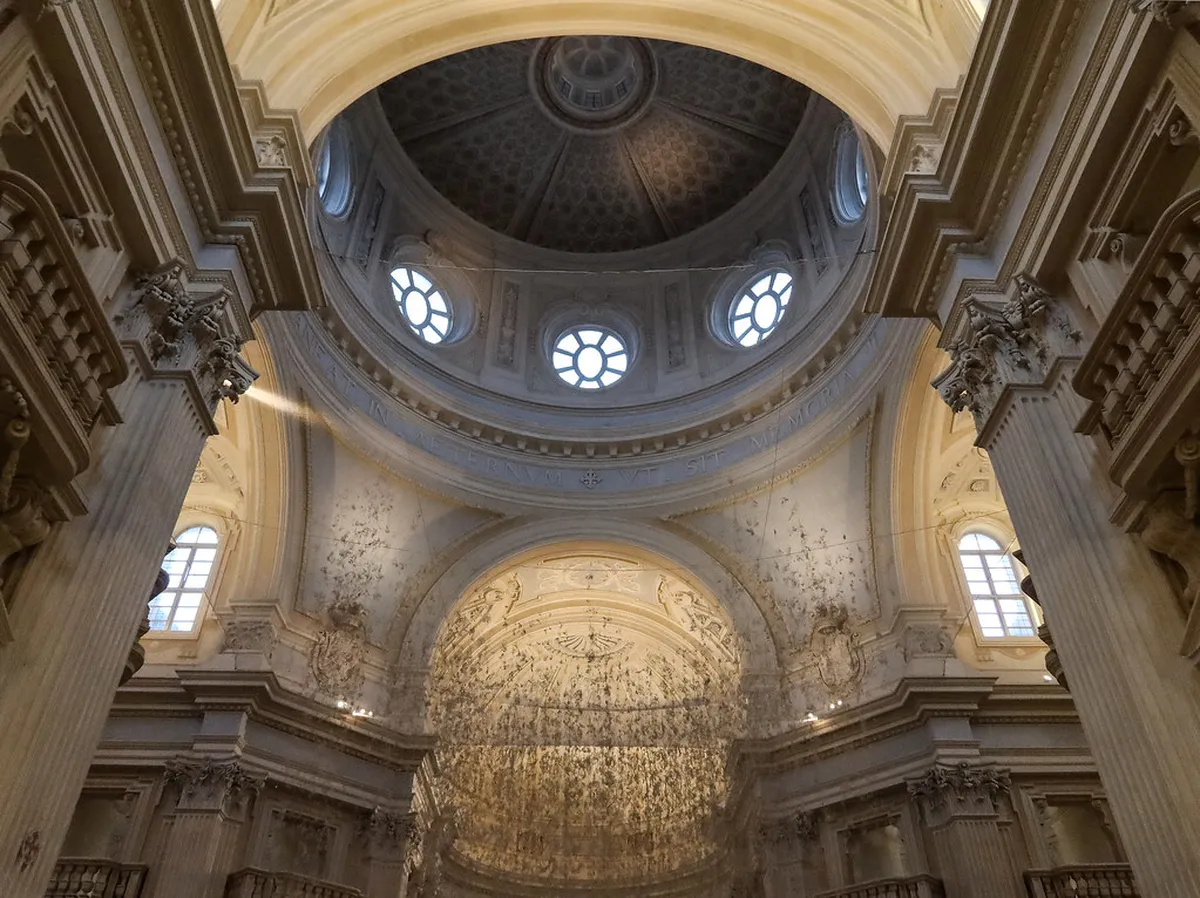
The interior of the chapel is surprisingly bright for a Gothic building. Large windows allow natural light to flood the small nave. This light highlights the rib vaulting on the ceiling. The ceiling patterns mimic the flame-like designs found on the exterior.
The stained glass windows date mostly from the nineteenth century restorations. They replaced the original glass that was lost during various conflicts. The colors are vibrant and tell stories of the royal family. They create a colorful atmosphere on sunny Loire Valley afternoons.
You should notice the intricate wooden carvings on the interior doors. These depict various religious symbols and royal crests from the era. The wood has aged beautifully over the last five hundred years. It provides a warm contrast to the white stone walls.
Visiting early in the morning offers the best lighting for photography. The sun rises over the river and hits the chapel directly. You can capture the shadows of the stone tracery on the floor. This creates a magical experience for any architecture fan.
Frequently Asked Questions
How much does it cost to visit St. Hubert Chapel in 2025?
The chapel is part of the Château Royal d'Amboise complex. A standard adult ticket costs approximately 16 Euros in 2025. This price includes access to the gardens and the royal wings. You can buy tickets online to skip the long lines.
Is the St. Hubert Chapel accessible for disabled visitors?
The chapel is located on the high ramparts of the castle grounds. Access requires walking up a steep incline or using the Cavalier ramps. Some areas may be difficult for those with limited mobility. Please check with the staff for specific elevator access options.
Can you take photos inside the St. Hubert Chapel?
Photography is generally allowed inside the chapel for personal use. You must not use a flash or a large tripod. This rule helps protect the ancient stone and stained glass. Always be respectful of other visitors during your photo session.
The St. Hubert Chapel flamboyant gothic style is a true gem of France. It combines royal history with the legacy of Leonardo da Vinci. You will leave with a deep appreciation for late medieval art. Consider booking an Amboise walking tour for architecture fans to see more. The city offers many hidden treasures for those who look closely.
Key Takeaways
- The chapel represents the peak of French Flamboyant Gothic design from 1491-1496.
- It houses the official tomb of Leonardo da Vinci since the 19th century.
- The lintel carvings depict the vision of Saint Hubert with incredible detail.
- The building is made from local tufa stone, which is soft and decorative.
Related reads: architecturebycity.com.