
Exploring French Renaissance Architecture in Amboise
Discover French Renaissance architecture in Amboise this 2025. Learn about royal castles and Italian styles. Plan your architectural tour today!
On this page
Amboise is a beautiful French town known for its stunning royal history and classic architectural designs. Visitors in 2025 will discover that French Renaissance architecture in Amboise remains a very popular attraction. This style represents a major shift from medieval fortress building to elegant residential palace construction. You can explore grand halls and ornate gardens while learning about the kings of old France.
The town sits along the Loire River and provides a perfect backdrop for these historic monuments. Many travelers visit the region specifically to see how Italian artistic ideas influenced French building methods. This guide will provide all the information you need to appreciate these magnificent structures today. Prepare to step back in time as we explore the elegant world of French Renaissance design.
The Rise of Renaissance Design in Amboise
The transition to Renaissance design began in Amboise during the late years of the fifteenth century. King Charles VIII returned from his Italian campaigns with a deep love for Mediterranean artistic styles. He hired Italian craftsmen to decorate his home with modern sculptures and innovative building designs. This change marked the end of the defensive Gothic era for many French royal properties.
Architects started focusing more on symmetry and proportion than they did in the earlier medieval times. They began adding wide windows and decorative pilasters to create a sense of openness and light. The royal court wanted buildings that showed off their wealth and their refined cultural tastes. This movement transformed the city into a vibrant hub for artists and visionary builders from across Europe.
You can still see the blend of old and new styles throughout the historic city center today. Some buildings feature heavy stone walls from the Middle Ages topped with elegant Renaissance roof lines. This unique mix creates a visual timeline of how French tastes evolved over several exciting decades. Amboise remains one of the best places to witness this specific historical transition in person.
Royal influence ensured that only the finest materials and most skilled workers were used on site. These high standards helped preserve the buildings for hundreds of years for modern visitors to enjoy. The commitment to beauty over defense changed the landscape of the entire Loire Valley region forever. Amboise was the starting point for this grand architectural revolution that swept through all of France.
Italian Influence on Local Building Styles
Italian masters brought a new sense of artistic harmony to the traditional French construction methods of the era. They introduced classical elements like rounded arches and ornate stone friezes to the local building landscape. You can see the Italian influence on Amboise architecture in the delicate carvings found on many facades. These details reflect the humanist values that were becoming popular throughout the European continent during that time.
The use of perspective and geometric balance became a hallmark of these new royal construction projects. Designers moved away from the irregular shapes of Gothic castles to create more balanced and pleasing structures. Gardens were also redesigned to reflect this new desire for order and perfect mathematical symmetry. This holistic approach to design integrated the building seamlessly with the surrounding natural Loire Valley landscape.
French builders learned how to incorporate these foreign ideas while maintaining their own local building traditions. This resulted in a unique hybrid style that is distinct from the architecture found in Italy. The steep slate roofs remained a French staple even as the walls became more classically decorated. This combination of cultures produced some of the most beautiful buildings in the history of the world.
King Francis I continued this trend by inviting even more famous artists to live in the city. These experts shared their knowledge of engineering and aesthetics with the local French stone masons. This cultural exchange ensured that Amboise stayed at the forefront of European design for many years. Today, we can appreciate the results of this fruitful collaboration between two great artistic nations.
Architectural Features of Amboise Manors
The manors in Amboise feature distinctive architectural elements that define the early French Renaissance period. Large dormer windows with elaborate stone surrounds are a common sight on many historic residential buildings. These windows allowed more natural light into the living spaces than the narrow slits of earlier castles. They also provided a canvas for masons to demonstrate their incredible skill in fine stone carving.
Horizontal lines were emphasized through the use of string courses that wrap around the building facades. This technique helped to ground the tall structures and give them a more stable and balanced appearance. Courtyards became central features of these homes, serving as private spaces for the noble families to relax. These areas often featured elegant galleries with open arches that were inspired by Italian villas.
Inside these manors, visitors will find high ceilings and grand fireplaces decorated with intricate royal motifs. The use of wood paneling and painted beams added warmth and color to the large stone rooms. Many of these interior features have been carefully restored to show how the French nobility lived. Exploring these spaces offers a glimpse into the daily life and luxury of the Renaissance elite.
Spiral staircases are another iconic feature found in the manors and castles of the Amboise region. These stairs were often housed in decorative towers that stood out from the main building structure. They were built with incredible precision and served as both functional paths and impressive artistic statements. You can find many examples of these beautiful stairways during a walk through the old town.
The Royal Château d'Amboise Masterpiece
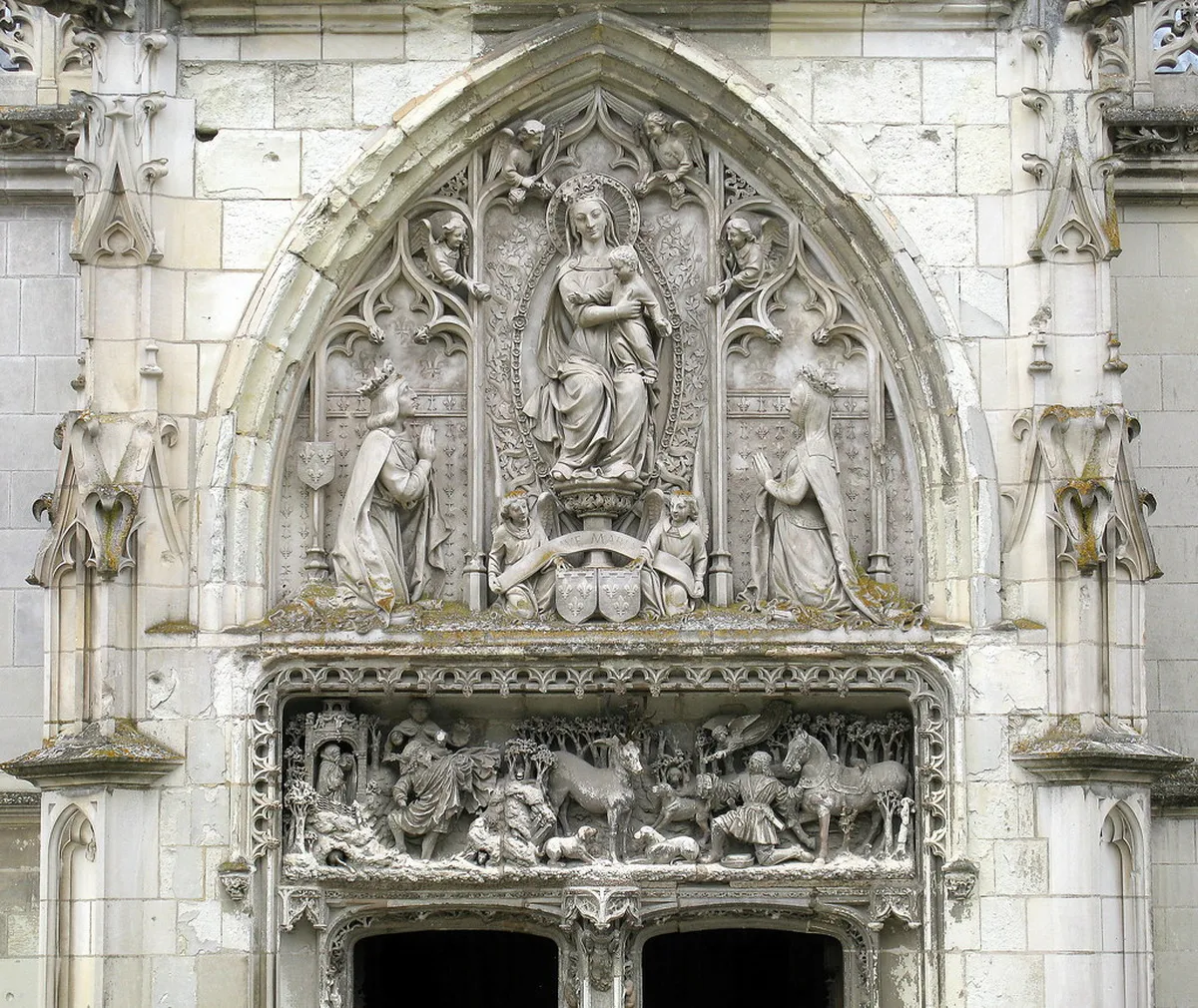
The primary example of this style is the magnificent Château Royal d’Amboise architecture seen from the river. This castle served as a residence for many French kings during the height of the Renaissance. It features massive towers that blend medieval strength with the new elegance of the sixteenth-century design. The chapel of Saint-Hubert on the grounds is a masterpiece of the ornate Flamboyant Gothic style.
The castle grounds offer spectacular views of the town and the flowing waters of the Loire River. Walking through the royal apartments reveals the evolution of interior design from the Gothic to Renaissance eras. Each room contains historical furniture and tapestries that bring the stories of the past back to life. It is easy to imagine the royal court moving through these grand halls during its peak.
The Minimes Tower and the Heurtault Tower are famous for their massive internal ramps for horse carriages. These engineering marvels allowed visitors to ride their horses directly from the town up to the palace. This feature was very advanced for the time and showed the power of the French monarchy. Such innovative construction techniques are why this castle remains a focal point for architectural students today.
Entry to the château costs approximately 15 euros for adults during the busy 2025 summer season. The site is open daily from early morning until sunset for most of the calendar year. We recommend booking your tickets online to avoid the long queues at the main castle entrance. Allow at least two hours to fully explore the buildings and the extensive hilltop gardens.
Clos Lucé and Leonardo da Vinci's Legacy
The manor house known as Clos Lucé is famous for being the final home of Leonardo da Vinci. It showcases a refined version of Clos Lucé Leonardo da Vinci design within its red brick walls. This building is a perfect example of a smaller Renaissance residence built for comfort and artistic study. The warm colors of the brick contrast beautifully with the white stone used for the windows.
Leonardo spent his final years here working on various inventions and engineering projects for King Francis I. The rooms are filled with models of his famous machines and copies of his legendary paintings. You can walk through his workshops and see where he dreamed of flying machines and armored tanks. The atmosphere of the house still feels creative and inspiring for every visitor who enters.
The gardens at Clos Lucé are just as impressive as the architecture of the main manor house. They feature interactive models of Leonardo's inventions that visitors can actually operate and test for themselves. This outdoor space highlights the Renaissance ideal of combining nature, science, and beautiful structural design. It is a wonderful place for families to spend an afternoon learning about history and engineering.
Tickets for Clos Lucé usually cost around 19 euros for a full day of exploration in 2025. The site is located just a short walk from the main royal castle in the town center. Many visitors choose to see both locations on the same day to compare the different building scales. This manor provides a more personal and intimate look at Renaissance life than the grand royal palace.
Local Materials and Construction Techniques
The unique appearance of Amboise comes from the widespread use of tufa stone masonry in the Loire Valley region. This white limestone is very soft when first cut from the quarries located along the river. It hardens over time when exposed to the air, making it an ideal material for building. The stone's soft nature allowed Renaissance carvers to create the very detailed decorations seen on facades.
Tufa stone also reflects the sunlight in a way that makes the buildings seem to glow at sunset. This visual quality is one of the reasons the Loire Valley is often called the Garden of France. Local builders used large blocks of this stone to create thick walls that stayed cool in the summer. They also developed sophisticated techniques for moving these heavy materials from the quarries to the construction sites.
Slate was the preferred material for roofing because it was both durable and aesthetically pleasing to the eye. The dark grey slate contrasts sharply with the white tufa stone to create a very classic French look. These roofs often have very steep pitches to shed the rainwater and snow during the cold winter. Many chimneys were also highly decorated with stone carvings to match the rest of the grand building.
Modern restoration teams still use these traditional materials to maintain the historic integrity of the local architecture. You can see craftsmen working with tufa stone today if you visit during a restoration project in 2025. Preserving these ancient skills is vital for keeping the city's unique architectural heritage alive for the future. Learning about these materials helps us appreciate the hard work required to build these massive stone monuments.
Frequently Asked Questions
What is the best way to see the architecture of Amboise?
The best way to see the architecture is on foot via a self-guided walking tour. You can easily walk between the Royal Château and Clos Lucé within fifteen minutes. Many visitors enjoy exploring the small side streets to find hidden Renaissance details on older homes.
Are the Renaissance buildings in Amboise open to the public?
Yes, most of the major historical sites are open to the public for a small fee. You can purchase a combined ticket to save money on multiple attractions during your 2025 visit. Some private manors are only visible from the street but still offer great photo opportunities.
When was the peak of the Renaissance period in Amboise?
The peak occurred between the reigns of King Charles VIII and King Francis I. This period lasted from roughly 1490 until 1550 as the city became a royal capital. During these years, most of the famous monuments and manor houses were built or renovated.
Amboise is a must-visit destination for anyone interested in the beauty of European history and design. The city provides a perfect look at how French and Italian ideas merged to create something new. You can enjoy the 2025 season by booking an Amboise walking tour for architecture fans today. Don't miss the chance to see these stone masterpieces in the heart of the Loire Valley. Plan your trip now to experience the timeless elegance of the French Renaissance for yourself.
Key Takeaways
- Amboise was the primary site for the transition from Gothic to Renaissance styles in France.
- The use of local tufa stone allowed for the intricate carvings characteristic of the period.
- Italian influence brought symmetry and classical elements to traditional French castle designs.
- Major sites like the Royal Château and Clos Lucé are essential stops for architecture lovers.
Related reads: architecturebycity.com, architecture in amboise.