
Clos Lucé Leonardo da Vinci Design in Amboise
Discover the Clos Lucé Leonardo da Vinci design. Plan your 2025 trip to Amboise to explore his final workshop and Renaissance gardens today.
On this page
The Clos Lucé Leonardo da Vinci design offers a fascinating glimpse into the life of a true genius. King Francis I invited the great Leonardo da Vinci to live in France during the year 1516. This elegant manor house served as the final home for the famous Italian artist and inventor. You can explore the rooms where he spent his last three years in the Loire Valley.
The property is located in the town of Amboise near the banks of the Loire River. It remains one of the most popular landmarks for travelers visiting this historic region of France. The architecture of the building reflects the transition from the Middle Ages to the Renaissance period. Visitors in 2025 will find many preserved artifacts from his productive time at the manor.
Leonardo focused on many scientific and artistic projects while he resided in this beautiful country home. He brought three of his most famous paintings with him when he moved from Italy to France. These masterpieces included the Mona Lisa which now hangs in the world-famous Louvre Museum in Paris. His presence in Amboise helped to bring Italian art and culture to the French royal court.
Exploring the site allows you to see the world through the eyes of a legendary polymath. The design of the house and gardens was carefully planned to inspire creativity and scientific study. You will discover how his ideas continue to influence modern engineering and architectural practices today. Planning a visit to this landmark is essential for anyone interested in history and innovation.
Architecture of the Loire Valley Manor
The building showcases a stunning example of red brick and tufa stone construction from the 15th century. These materials were widely used for royal and noble residences throughout the historic Loire Valley region. The white tufa stone is a local limestone that provides a bright contrast to the red bricks. This specific combination of colors gives the manor its unique and very recognizable aesthetic appearance.
Tufa stone is soft enough to allow for intricate carvings and decorative details on the exterior walls. Craftsmen used this stone to create beautiful window frames and ornate cornices around the roof of the house. The durability of the red brick ensures that the structure remains strong after many hundreds of years. You can see the skill of the original masons in every corner of this historic building.
The manor features several tall chimneys that rise high above the steeply pitched slate roofs. These chimneys were necessary for the large fireplaces that heated the many rooms during the cold winter months. Each chimney is decorated with patterns that reflect the late Gothic style of the early French Renaissance. The overall silhouette of the house is both elegant and impressive against the blue sky.
Large mullioned windows were designed to let plenty of natural light into the main living spaces. These windows were a sign of great wealth and status during the time of King Louis XI. They provide excellent views of the surrounding gardens and the nearby town of Amboise itself. The glass used in the windows today carefully replicates the style of the original 15th-century panes.
Clos Lucé was originally known as the Manor of Cloux when it was first built in 1471. It was designed to be a comfortable residence for the officials who served the French royal family. The house sits on a hill which provides a strategic view of the royal castle nearby. This location was perfect for Leonardo because he could easily visit his patron the King.
Clos Lucé Leonardo da Vinci Design
The Clos Lucé Leonardo da Vinci design emphasizes both the comfort of home and the needs of science. Leonardo made several changes to the interior layout to accommodate his large collection of books and tools. He required a spacious area where he could work on his architectural drawings and engineering models. The manor was the perfect place for him to spend his final years in peace.
His influence is clearly visible in the French Renaissance architecture in Amboise which he helped to shape. He introduced Italian concepts of symmetry and proportion to the traditional French building styles of the time. This fusion of styles created a new architectural language that spread throughout the entire Loire Valley region. Many other chateaus in the area began to adopt these modern design principles after his arrival.
One of the most interesting features of the property is the secret underground tunnel system. This passage connected the manor directly to the Royal Château of Amboise just a few hundred meters away. Legend says that King Francis I used this tunnel to visit Leonardo for private late-night conversations. This allowed the two men to discuss art and philosophy without any interruptions from the court.
The manor layout includes a large kitchen where Leonardo’s faithful servant Mathurine prepared his daily meals. She stayed with him until his death and received his fine cloak as a gift in his will. The dining room features a large table where Leonardo would host intellectual discussions with other visiting scholars. Every room in the house tells a story about the personal life of this legendary man.
In 2025 the Clos Lucé Leonardo da Vinci design is celebrated through various interactive exhibits and displays. Modern technology is used to explain his vision for the ideal city and other complex urban projects. Visitors can see how his mind worked by following the path he took through the house. This experience provides a deep connection to the history of the European Renaissance period.
Leonardo’s Studio and Working Rooms
The Leonardo da Vinci workshop layout consists of three separate rooms dedicated to his research. Each room was organized to support a different aspect of his incredibly wide range of interests. The first room served as his main studio for painting and sketching his most famous works. Large windows provide the steady northern light that is necessary for producing high-quality artistic pieces.
His scientific workshop was filled with various instruments for measuring the stars and the movement of water. He studied the laws of physics and mechanics with the same passion he applied to his art. You can see replicas of the tools he used to design canals and defensive fortifications for the King. These rooms were the birthplace of many ideas that were far ahead of their time.
Leonardo kept his many notebooks and manuscripts on a large wooden desk in his private study area. He wrote in a unique mirror script that is still famous among historians and scientists today. This room was a place for quiet reflection and the careful recording of his observations of nature. It remains one of the most quiet and inspiring parts of the entire manor house.
The atmosphere within the workshops is designed to transport visitors back to the early 16th century. You will see authentic furniture and materials that were common during the life of the great master. The smell of oil paint and old parchment helps to create a very immersive historical experience. It feels as if Leonardo has only recently left the room to walk in the garden.
Digital reconstructions now allow you to see how the workshops looked when they were fully occupied. You can explore the different projects he was working on at the moment of his death. This combination of historical setting and modern display is very popular with visitors in 2025. It makes the complex world of the Renaissance easy for everyone to understand and enjoy.
The Renaissance Gardens and Park
The Renaissance gardens at Clos Lucé offer a peaceful retreat that reflects the beauty of the natural world. Leonardo believed that nature was the ultimate teacher for any artist or scientist who wished to learn. He spent many hours walking through the trees and studying the flow of water in the stream. The park has been restored to look exactly like the gardens did during the 16th century.
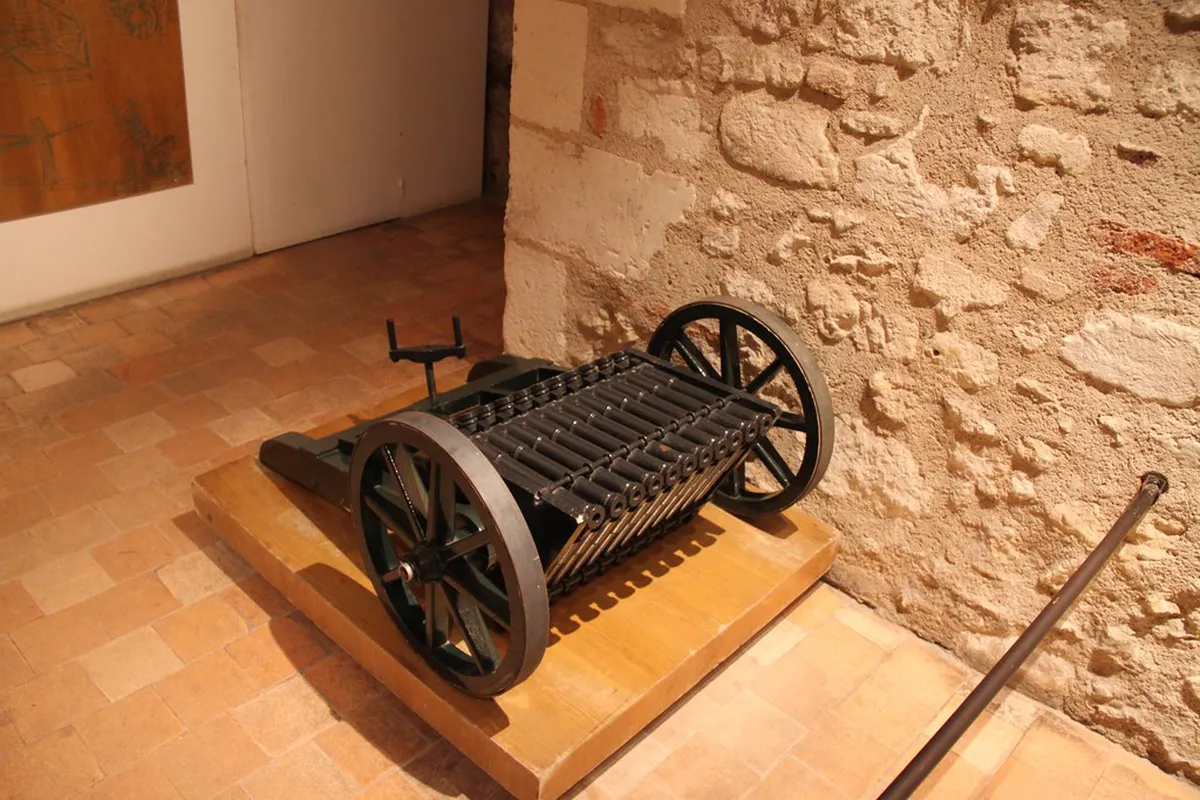
You will find many full-scale models of his most famous inventions placed throughout the lush green parkland. These models include a giant wooden tank and a rotating bridge designed for military use in the field. Visitors of all ages are encouraged to touch and operate these machines to see how they work. It is a wonderful way to learn about the basic principles of mechanics and physics.
The landscape includes a wide variety of plants and flowers that Leonardo carefully studied and drew. He was fascinated by the patterns of growth in leaves and the structure of different types of trees. You can see these same plants today while you walk along the shaded paths of the garden. The park serves as a living museum of the botanical interests of the great master.
A small pond and a series of canals were created to demonstrate his ideas about hydraulic engineering. He designed a system of buckets and wheels to move water from the stream to higher ground. These interactive displays show how he planned to bring water to dry areas of the French countryside. Seeing these machines in motion is a highlight for many people who visit the site.
The gardens also feature a new cultural space called the Leonardo da Vinci and Architecture gallery. This building uses modern design to showcase his influence on the history of building and urban planning. It provides a perfect contrast to the historic manor and highlights his lasting legacy in the world. The Clos Lucé Leonardo da Vinci design is an essential part of the experience.
Connection to the Royal Château
The property is located very close to the massive Château Royal d’Amboise architecture which dominates the local skyline. King Francis I wanted his dear friend to live within a short walking distance of his own home. This allowed the two men to spend a lot of time together discussing art and science. The King considered Leonardo to be a wise mentor and a very valuable member of his court.
The relationship between the monarch and the artist helped to bring the Italian Renaissance to France. Francis I was a great patron of the arts and wanted to modernize his kingdom using Italian ideas. He gave Leonardo the title of First Painter, Engineer, and Architect to the King of France. This high status gave Leonardo the freedom to pursue his own research and creative projects.
You can easily walk from the manor to the royal castle in less than ten minutes. The path takes you through the charming streets of the old town area of Amboise. You will see many other historic houses that were built during the same period of French history. This short walk provides a great sense of how the town looked five hundred years ago.
The two landmarks are linked by their shared use of local materials and traditional building techniques. Both structures feature the white tufa stone and the elegant slate roofs that are common in this region. They represent the power and the cultural ambition of the French monarchy during the early 16th century. Visiting both sites gives you a complete picture of the Renaissance in the Loire Valley.
Special guided tours in 2025 often include both the manor house and the royal castle. These tours explain the deep friendship between the King and his famous guest in great detail. You will learn about the many projects they worked on together to improve the kingdom of France. It is a fascinating story of power and genius working together for a common goal.
Tips for Planning Your 2025 Visit
Clos Lucé is open to the public every day of the year except for Christmas Day. It is a good idea to arrive early in the morning to beat the afternoon crowds. You can purchase your tickets in advance on the official website to avoid waiting in long lines. The site is very popular so planning ahead will make your visit much more pleasant.
You should allow at least three or four hours to see everything the site has to offer. This gives you enough time to explore the house and walk through the extensive park and gardens. There are two restaurants on the property where you can enjoy a meal or a small snack. They offer a variety of local dishes and drinks that are perfect for a lunch break.
Wear comfortable walking shoes because you will be spending a lot of time on your feet. Some of the paths in the park are made of gravel and can be a bit uneven. The house has several floors and some of the stairs are quite narrow and steep to climb. Elevators are available for visitors who have difficulty using the stairs during their tour of the manor.
Photography is permitted in most areas of the house and throughout the entire park and garden area. You can take beautiful photos of the invention models and the historic rooms of the manor house. Please remember to be respectful of other visitors and do not use a flash inside the rooms. The views from the terrace offer great opportunities for capturing the beauty of the Loire Valley.
The site is very family-friendly and offers many activities that are perfect for children of all ages. Kids will love playing with the interactive machines and exploring the hidden corners of the large park. It is a great place to learn about history and science in a fun and engaging way. Clos Lucé remains a top destination for families visiting the Amboise region in 2025.
Frequently Asked Questions
What makes the Clos Lucé Leonardo da Vinci design so special?
The Clos Lucé Leonardo da Vinci design is unique because it blends domestic life with scientific study. You can see how the great master lived and worked in the same space. The layout reflects his need for light and space for his many machines. It remains a perfect example of a Renaissance artist's final sanctuary.
Where is Clos Lucé located in France?
The historic Clos Lucé manor is located in the charming town of Amboise within the Loire Valley. It sits in a beautiful region that is famous for its many royal castles and gardens. You can reach the town easily by taking a train from the city of Paris. It is a perfect destination for a day trip or a longer stay.
Can you see real inventions at the manor?
You can see many full-scale models of Leonardo's inventions in the house and the park. These models were built using the original sketches and materials described in his many notebooks. Some of the machines are interactive and allow you to see how they would move. It is a hands-on way to learn about the history of engineering.
Is the manor house accessible for all visitors?
The manor house has several floors but elevators are available for those who need them. Most of the main rooms can be visited without having to climb any steep stairs. The park has wide gravel paths that are suitable for most people to walk on comfortably. Staff members are always available to help visitors with any specific accessibility needs.
What are the 2025 opening hours for Clos Lucé?
Clos Lucé is usually open from nine in the morning until six or seven in the evening. The exact hours can vary depending on the specific season of your visit in 2025. It is best to check the official website before you travel to the town of Amboise. Most visitors find that arriving early provides the best experience of the site.
The Clos Lucé Leonardo da Vinci design continues to inspire millions of people from all over the world. This famous Clos Lucé Leonardo da Vinci design remains a wonder of the Renaissance world today. Visiting Amboise in 2025 will be an experience that you will remember for many years to come. Make sure to book your tickets early to see this amazing piece of world heritage.
Key Takeaways
- Explore the preserved workshop where Leonardo spent his final productive years.
- Interact with full-scale models of his revolutionary machines in the park gardens.
- Discover the unique blend of red brick and local tufa stone architecture.
- Learn about the friendship between Leonardo and King Francis I of France.
Related reads: architecturebycity.com, architecture in amboise, old town amboise timber framed houses.