
Renaissance Gardens at Clos Lucé: A 2025 Guide
Explore the Renaissance gardens at Clos Lucé in Amboise. Discover Leonardo da Vinci's landscape designs and plan your 2025 trip to France today!
On this page
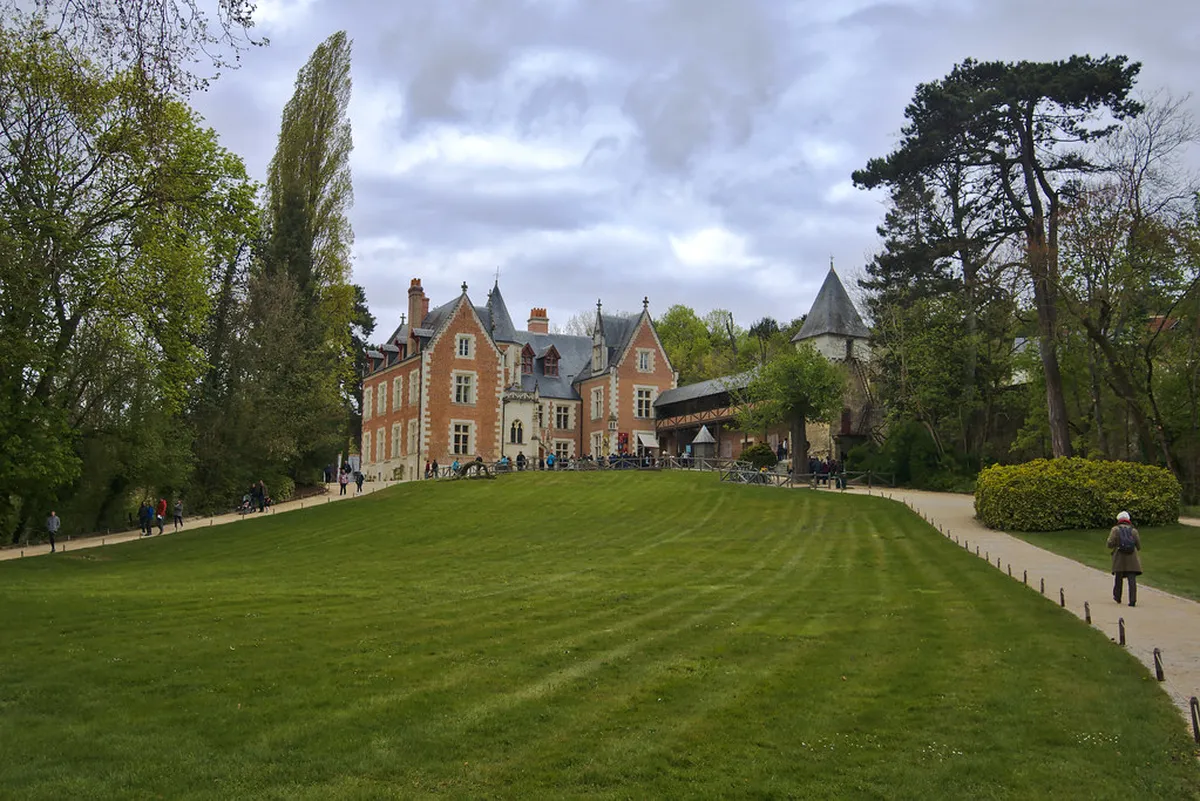
The Renaissance gardens at Clos Lucé offer a unique look at history. Visitors find these stunning grounds in the charming town of Amboise. Leonardo da Vinci spent his final years here in the heart of France. This lush park reflects his brilliant mind and artistic vision. You can see how nature inspired his most famous works. These gardens are a masterpiece of landscape architecture. The site blends historical beauty with scientific wonder. It is a must-see destination for any architecture lover.
Design Principles of the Renaissance Gardens
The layout follows a distinct Renaissance style that emphasizes harmony. It blends natural beauty with scientific discovery and fine art. Many plants here appeared in Da Vinci's famous botanical drawings. The design focuses on balance and perfect visual proportions. These grounds showcase the Clos Lucé Leonardo da Vinci design throughout the park. Gardeners maintain the plants using traditional French techniques today. Walking through the paths feels like entering a living museum. The scenery changes beautifully during every season of the year.
Leonardo viewed the garden as a place for deep study. He observed how light filtered through the tall trees. Modern restorers used his original 16th-century notes for accuracy. Each section tells a story about his diverse scientific interests. You will find several unique zones within the seven-hectare park. The Garden of Leonardo features plants he studied most closely. It creates a bridge between his art and the natural world. This space highlights the Italian influence on Amboise architecture perfectly.
Water plays a central role in the garden's overall design. Small streams flow gently through the wooded areas of the park. Leonardo studied water movement to understand the laws of physics. You can see these concepts reflected in the pond layouts. The park design includes:
- Wide gravel paths for easy walking
- Hidden groves for quiet reflection
- Artistic tapestries hung among the trees
- Bridges that connect different landscape zones
Leonardo’s Inventions in the Landscape
The garden serves as an impressive open-air laboratory. Large-scale models of Da Vinci's inventions sit among the trees. You can operate these machines to understand their mechanics. This interactive approach engages visitors of all ages and backgrounds. The park offers a peaceful escape from busy city streets. It highlights the genius of a man ahead of his time. These models are built using materials from the 16th century. You will find the aerial screw and the giant tank. Each invention is placed to complement the surrounding landscape. The site is a key part of architecture in Amboise history.
The machines are scattered across the vast wooded grounds. You can see the double-deck bridge near the water. The swinging bridge demonstrates Leonardo's grasp of military engineering. These structures look beautiful against the backdrop of old trees. Visitors can touch and move many of these wooden replicas. This hands-on experience brings Renaissance science to life. It is the best way to learn about historical engineering. The park layout encourages exploration and personal discovery. Each machine has a sign explaining its specific function.
The landscape architecture supports the display of these giant works. Flat clearings provide space for the largest mechanical models. Shaded paths lead you from one invention to the next. The trees act as natural frames for the wooden structures. This setup creates a sense of wonder at every turn. You will feel like you are in Leonardo's workshop. The integration of art and nature is truly seamless here. It remains one of the most unique parks in France.
Botanical Wonders and Renaissance Flora
The plant life at Clos Lucé is historically significant. The garden features species that Leonardo documented in his journals. You will see beautiful roses, lilies, and blue iris flowers. These plants provided the pigments for his famous oil paintings. The garden team uses organic methods to protect the flora. This ensures the park remains a healthy ecosystem for birds. The scent of lavender fills the air during summer months. It is a sensory experience that delights every visitor.
Tall oak and pine trees provide much-needed shade in July. The forest floor is covered in soft moss and ferns. These elements create a cool microclimate during the warm afternoons. The light creates dappled patterns on the garden floor. Photographers love the contrast between brick walls and green leaves. The park design respects the natural slope of the land. This allows for excellent drainage and healthy plant growth. It is a prime example of sustainable landscape management.
Historical accuracy is the main goal of the gardening team. They avoid using modern chemicals or invasive plant species.
- Heirloom roses bloom in the early summer
- Medicinal herbs grow in the kitchen garden
- Wildflowers attract local bees and bright butterflies
- Ancient trees stand as silent witnesses to history
Planning Your Visit to Clos Lucé in 2025
A ticket to the park costs about 18 Euros. This price includes access to the house and gardens. Plan to spend at least three hours exploring everything. The site stays open every day of the year. The gardens are located at 2 rue du Clos Lucé. You can walk there from the center of Amboise. Wear comfortable shoes for the hilly gravel paths. The site offers a lovely tea room for breaks. You can enjoy local pastries while looking at the garden. It is a perfect spot for a relaxing afternoon.
Spring is the best time to see the flowers. May and June offer mild weather and vibrant colors. Autumn brings stunning gold and red leaves to the park. Winter is quiet but the machines are still visible. The park can be busy during the summer holidays. Arrive early in the morning to avoid the largest crowds. The ticket office opens at nine o'clock most days. You can buy tickets online to skip the lines. This helps you maximize your time in the beautiful gardens.
The site is fully accessible for most travelers today. Ramps allow wheelchairs to reach the main garden levels. Some forest paths are steep and made of loose gravel. Accessible restrooms are located near the main park entrance. You can find maps at the visitor center for guidance. The staff speaks both French and English for your convenience. They can provide tips on the best photo locations. Clos Lucé remains a top destination in the Loire Valley.
Frequently Asked Questions
What is the best month to see the Renaissance gardens?
The best months to visit are May and June. During this time, the flowers are in full bloom. The weather is pleasant for walking the long paths. You will see the garden exactly as intended.
How long does it take to walk through the park?
Most visitors spend about two to three hours here. This gives you enough time to see the machines. You can also walk the entire loop of the woods. It is a large and very beautiful area.
Are the garden machines safe for children to use?
Yes, the machines are designed for interactive use by all. Children enjoy moving the gears and the large wheels. The models are sturdy and built for public handling. It is a very family-friendly destination in Amboise.
Can I visit the gardens without seeing the house?
Tickets usually cover both the house and the gardens together. However, the gardens are a major highlight of the site. Many people spend more time outdoors than inside. The park is well worth the full entry price.
The Renaissance gardens at Clos Lucé are a historical treasure. They offer a deep look into Leonardo da Vinci's mind. Plan your visit to Amboise in 2025 to see them. You will enjoy the perfect mix of art and nature. Book your tickets today for an unforgettable French experience.
Key Takeaways
- The gardens cover seven hectares of historical landscape.
- Interactive machines offer a hands-on look at Da Vinci's genius.
- Visit in late spring for the best floral displays.
- The park design is based on Da Vinci's original notes.
Related reads: architecturebycity.com, red brick and tufa stone construction.