
Amboise Castle Defensive Ramparts Technical Study
Explore the Amboise castle defensive ramparts in 2025. Learn about the technical military design and Loire Valley history. Plan your architectural tour today!
On this page
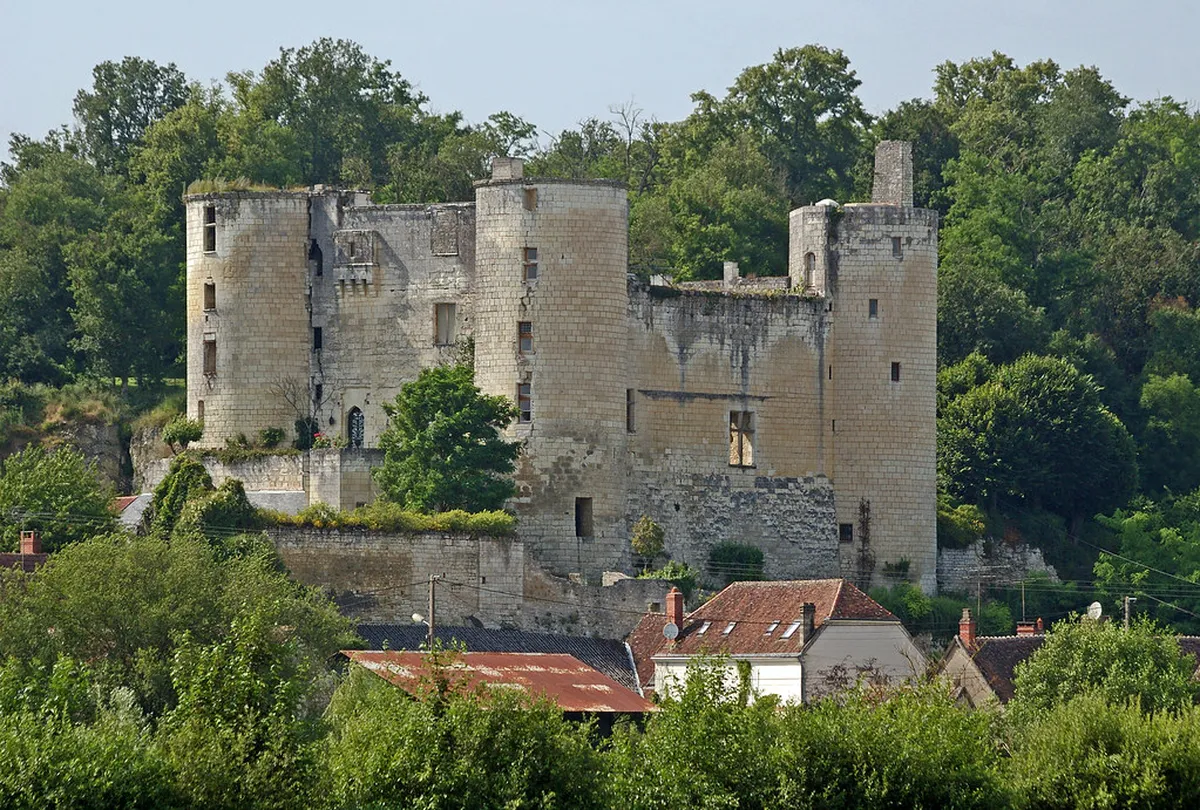
The Amboise castle defensive ramparts tower over the scenic Loire river and define the skyline of this historic French town. Architects and historians marvel at the complex structural design found within these massive stone walls and defensive military features. This technical analysis explores the physical dimensions and strategic placement of the legendary Amboise castle defensive ramparts in 2025. Visitors often appreciate the scale of these Château Royal d'Amboise architecture elements during their walking tours.
Understanding the fortification system requires a look at how medieval engineers handled the weight of such enormous vertical structures. These walls were built to withstand long sieges while providing a stable platform for heavy defensive weaponry across the site. The evolution of these defenses reflects the changing nature of warfare from the Middle Ages into the early Renaissance period. Every stone tells a story of military strength and the desire to protect the French monarchy within these walls.
Technical History of the Ramparts
The original foundations of the Amboise castle defensive ramparts date back to the strategic Roman era of early Gallic history. King Charles VIII began the most significant transformation of these walls to reflect modern power and contemporary military needs. He wanted a fortress that could utilize the latest artillery technology while maintaining a grand appearance for visiting foreign dignitaries. The resulting structure combined traditional medieval defense with the emerging stylistic trends of the late fifteenth century in France.
The engineering team faced significant challenges due to the steep limestone cliffs that support the entire castle complex today. They had to anchor the heavy stone blocks directly into the soft tufa rock to prevent erosion or structural failure. This careful integration of natural terrain and man-made walls created an nearly impenetrable barrier against potential invaders from the river. The sheer verticality of the ramparts served both a practical defensive purpose and a psychological one for the local population.
During the sixteenth century, the ramparts underwent further modifications to accommodate the shift toward more ornamental Renaissance building styles. Engineers added decorative elements to the top of the walls without compromising the structural integrity of the main defensive line. This era marked a transition where the fortress began to function as a royal residence rather than just a fort. You can still see the distinct layers of construction that represent different periods of French history and military engineering.
In 2025, the preservation of these walls remains a priority for the local authorities and historical heritage conservation groups. Modern scanning technology helps experts monitor the stability of the stone and the health of the underlying natural rock formations. Maintaining these structures requires specialized knowledge of ancient masonry techniques and the chemical properties of local building materials used. Today, the ramparts stand as a perfectly preserved example of how military architecture evolved during the transition to modern history.
Structural Design of Fortress Walls
The thickness of the Amboise castle defensive ramparts varies significantly depending on the height and the specific defensive location. At their base, some sections of the wall reach a thickness of nearly five meters to support the vertical load. This massive scale was necessary to provide stability against the impact of heavy projectiles from early cannons and siege engines. The internal core of the walls often consists of rubble and lime mortar to provide flexibility during environmental changes.
Builders utilized a sophisticated technique of layering stones to ensure the exterior face remained smooth and difficult to climb. This smooth finish prevented enemy forces from gaining easy purchase for grappling hooks or scaling ladders during an active assault. The precision of the masonry work demonstrates the high level of skill possessed by the royal masons during this era. Even today, the tight joints between the stones minimize water infiltration and protect the structure from the harsh winter weather.
The drainage systems integrated into the ramparts represent another feat of engineering that has allowed the walls to survive centuries. Carved stone gutters and internal channels direct rainwater away from the foundations and toward the natural slopes of the hill. Without this careful management of water, the soft limestone cliffs would have likely collapsed under the weight of the fortress. Modern architects often study these ancient systems to learn about sustainable water management in historical restoration projects around France.
Defensive platforms located along the top of the ramparts allowed for a wide field of fire across the river. Soldiers could monitor movement on the water and in the town below from a position of relative safety and strength. These walkways are wide enough for multiple guards to pass each other while carrying heavy equipment or weapons during patrol. The height of the walls provided a significant tactical advantage that made the castle one of the most secure sites.
Engineering the Great Cavalier Towers
The Minimes Tower and the Heurtault Tower are the most impressive features of the Amboise castle defensive ramparts complex. These massive circular structures allowed horse-drawn carriages to climb from the town level to the palace gardens via internal ramps. This unique architectural solution solved the problem of moving heavy goods and people up the steep and rocky defensive cliffs. The engineering required to create a stable spiral ramp for horses inside a defensive tower was truly revolutionary for time.
The towers serve as massive anchors for the ramparts and provide additional structural support for the corners of the fortress. Their thick walls and vaulted ceilings were designed to absorb the recoil of large cannons mounted on the upper platforms. Builders used specialized tufa stone masonry in the Loire Valley to construct these complex internal spiral shapes with great precision. The structural integrity of these towers has remained intact for over five hundred years without needing any major modern reinforcements.
Each tower features a series of defensive openings called embrasures that provided protected firing positions for the castle's royal guards. These narrow slits allowed for a wide range of motion while minimizing the exposure of the defenders to enemy fire. The interior spaces of the towers also functioned as storage for ammunition and supplies during times of high military tension. Modern visitors can walk up these ramps today and experience the impressive scale of the sixteenth-century military construction work.
The external diameter of the towers reaches over twenty meters, making them some of the largest defensive structures in Europe. Their sheer mass helped to stabilize the entire western edge of the castle plateau against the constant pressure of the soil. Engineers used a combination of heavy limestone and lighter internal materials to balance the weight and ensure long-term structural health. This careful balancing act is why the towers and ramparts still dominate the landscape of Amboise so effectively today.
Transition to Renaissance Aesthetic Defense
As the French kings moved toward more luxurious lifestyles, the Amboise castle defensive ramparts began to incorporate many decorative elements. Large windows and ornate carvings were added to sections of the wall that did not face the most likely directions. This shift reflects the Italian influence on Amboise architecture which prioritized beauty alongside the traditional needs of a military fort. You can see these decorative touches on the upper levels of the ramparts near the royal apartments and gardens.
The integration of gardens on top of the defensive walls was a bold move that required significant waterproofing and engineering. Soil and plants add a lot of weight and moisture that can potentially damage the stone structures over several decades. Architects designed complex layers of lead and stone to prevent water from seeping into the rooms located directly below. This creation of a hanging garden on a fortress wall remains one of the most famous features of the site.
During your 2025 visit, notice how the sculptural details on the ramparts blend seamlessly with the older medieval defensive walls. The transition from the rugged military look to the elegant Renaissance style is visible in the changing shapes of the windows. While the lower sections remain fortress-like, the upper portions feature delicate stonework and wider openings for light and air. This duality of purpose makes the ramparts a fascinating case study for students of historical architectural design and engineering.
The use of light and shadow on the walls was also a deliberate choice by the Renaissance architects working in Amboise. They positioned the decorative elements to catch the sunlight reflecting off the Loire river during the warm summer afternoon hours. This visual effect softened the appearance of the massive walls and made the castle look more like a royal home. Despite these aesthetic changes, the primary defensive capabilities of the ramparts remained a core part of the architectural plan.
Navigating the Site During 2025 Tours
Visiting the Amboise castle defensive ramparts in 2025 offers a unique opportunity to walk the perimeter of the royal site. The modern pathways are safe and well-maintained, providing excellent views of the surrounding valley and the historic town below. Most visitors spend about two hours exploring the different levels of the fortifications and the impressive interior tower ramps. It is best to wear comfortable walking shoes as the stone surfaces can be uneven in certain historical areas.
Access to the ramparts is included with the standard entry ticket to the Château Royal d'Amboise for all adult visitors. You can find detailed signage explaining the technical aspects of the walls and the history of their construction across the site. Audio guides provide additional context about the military strategies used to defend the castle during the many wars of religion. The site is open throughout the year, but the morning light offers the best conditions for taking architectural photographs.
- Morning hours: Best for avoiding the largest tour groups and capturing soft light on the tufa stone.
- Safety first: Stay on the marked paths and avoid leaning over the low walls of the upper garden.
- Interactive displays: Use the digital tablets available on site to see 3D reconstructions of the original defenses.
- Photography: The western edge of the ramparts offers the most iconic view of the Loire river at sunset.
The cost of a standard adult ticket in 2025 is approximately 16 euros, which helps fund the ongoing preservation work. You should book your tickets online in advance to skip the lines during the busy summer months in France. The site is accessible for those with limited mobility via modern elevators that connect the town level to the ramparts. Exploring these walls provides a deep connection to the history of the Loire Valley and the power of France.
Frequently Asked Questions
How thick are the Amboise castle defensive ramparts?
The thickness of the ramparts varies but reaches up to five meters at the base for maximum structural stability. This massive design allowed the fortress to withstand heavy artillery fire and support the weight of the royal buildings. Builders used a mix of solid stone and internal rubble to create these durable and thick defensive barriers.
Can you walk on the ramparts of Amboise castle in 2025?
Yes, the ramparts are open to the public and feature well-designed walking paths for tourists and history enthusiasts. You can walk the entire perimeter to enjoy panoramic views of the Loire river and the rooftops of Amboise. These paths are safe and provide a close-up look at the impressive masonry work from the Renaissance era.
What kind of stone was used to build the ramparts?
The primary material used for the ramparts is local tufa stone, which is a soft and workable limestone from the region. This stone is light but hardens over time when exposed to the air, making it perfect for large fortifications. The builders also used harder limestone for the base sections to prevent erosion from the river and groundwater.
Why are the towers at Amboise castle so large?
The towers were designed as cavalier towers to allow horses and carriages to reach the top of the castle plateau. Their massive size also provided a stable base for heavy cannons used in the defense of the royal palace. These structures are unique examples of sixteenth-century engineering that combined transport utility with military strength and power.
The Amboise castle defensive ramparts remain one of the most significant architectural achievements in the heart of the Loire Valley. They represent a perfect blend of medieval military necessity and the elegant design principles of the early French Renaissance. Exploring these massive walls allows you to appreciate the skill of the builders who shaped the history of France. Plan your visit in 2025 to see these impressive structures and experience the timeless beauty of the Amboise skyline today.
Key Takeaways
- The ramparts reach up to five meters thick to provide defense and support for the plateau.
- Internal ramps in the cavalier towers allowed horses to climb directly into the castle grounds.
- Tufa stone from local quarries was the primary material used for the extensive masonry work.
- The fortifications transitioned from purely military structures to decorative Renaissance palace walls over time.
Related reads: architecturebycity.com, architecture in amboise, st hubert chapel flamboyant gothic.