
Quarrying Limestone for Amboise Castles: A Guide
Learn about quarrying limestone for Amboise castles. Explore the history and techniques of Loire masonry in 2025. Plan your next architectural visit now!
On this page
Quarrying limestone for Amboise castles was a major industry during the French Renaissance period in the Loire Valley. Workers extracted millions of blocks of white Tuffeau stone to build the magnificent royal residences for French kings. This beautiful stone defines the regional identity and architectural style of this historic part of central France. You can still see the impact of Tufa stone masonry in the Loire Valley today.
The unique geological properties of this limestone allowed for the creation of intricate sculptures and massive defensive walls. This guide explores the historical techniques and the massive effort required to build these legendary structures in Amboise. In 2025, many of these ancient quarry sites are open for visitors to explore and understand the past.
The Process of Quarrying Limestone for Amboise Castles
Tuffeau stone formed over millions of years under the sea that once covered the central Loire Valley region. This sedimentary rock consists of fossilized remains which give the stone its unique porous and light texture. Ancient geological events created thick layers of limestone that were perfect for large scale architectural construction projects in Amboise. It is often referred to as the Stone of Kings due to its use in royal chateaux.
The stone is very easy to cut when it is first taken out of the damp ground. Exposure to the air causes the limestone to harden and become much more durable over many years. This hardening process is essential for the long term stability of the massive castle walls and towers. Masons prefer working with freshly quarried stone because it allows for much more precise and detailed carvings.
Geologists classify this material as a fine-grained, micaceous chalk that is typical of the Turonian age in France. The creamy white color reflects the sunlight and gives the Amboise skyline its iconic and bright appearance. It is also highly porous, which allows the historic buildings to breathe during the changing seasonal weather. This property helps to regulate the temperature inside the castles during the hot summer and cold winter.
Quarrying limestone for Amboise castles required a deep understanding of the natural rock layers found deep underground. Master quarrymen could identify the best veins of stone by tapping on the walls with their heavy iron tools. They looked for consistent density to ensure the blocks would not crack during the difficult extraction process. Selecting the right location for a new quarry was a vital first step for any royal project.
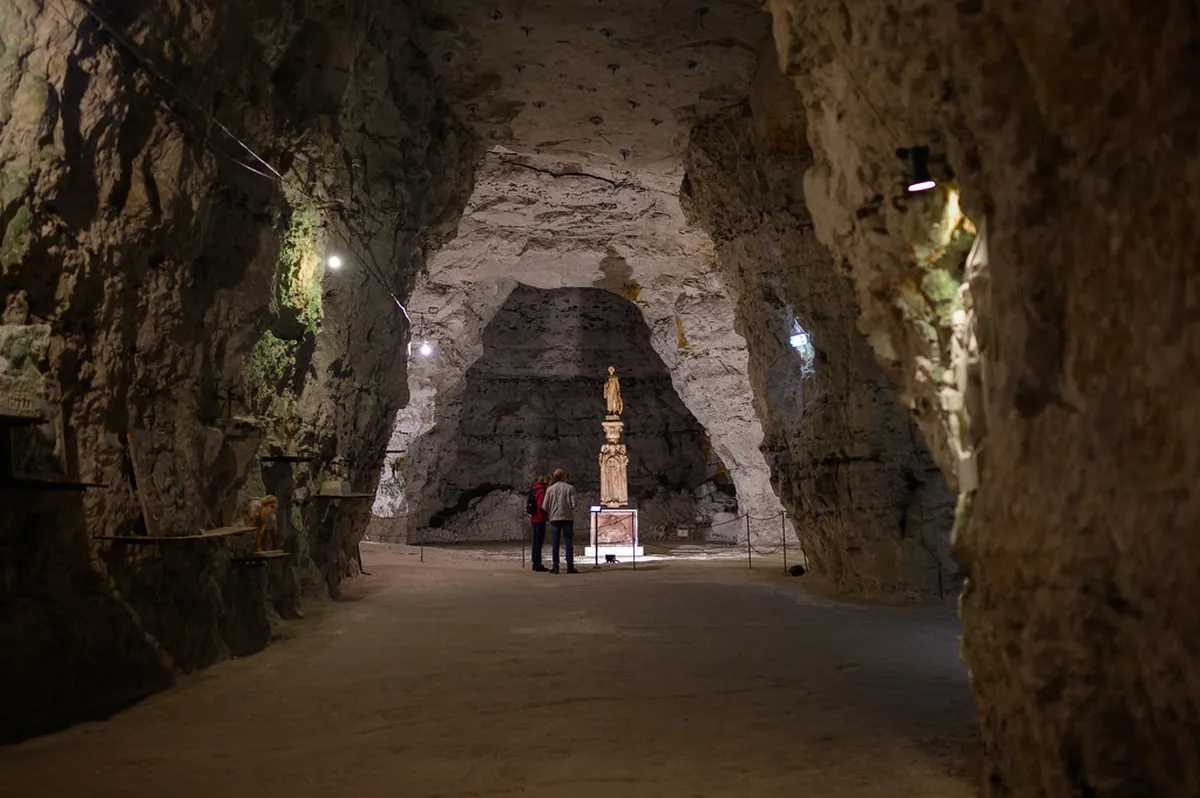
Large underground galleries were created as workers followed the best seams of stone into the hillsides of Amboise. These caves provided a stable environment for extraction because the temperature and humidity remained constant throughout the year. Today, many of these former quarries have been repurposed for mushroom farming or as atmospheric wine cellars. They remain a hidden part of the local landscape that many tourists never get to see.
Underground Mining Methods for Building Blocks
Miners used manual tools to slice through the soft rock and create perfectly shaped blocks for the castle walls. They started by cutting vertical narrow channels into the face of the stone using long and heavy iron bars. This process required great physical strength and precision to ensure the blocks remained the correct size for construction. Workers often labored in dim light provided only by small oil lamps placed on the cave floor.
The primary tools used for extraction included:
- Long-handled saws: Used for making deep vertical cuts in the soft limestone face.
- Iron wedges: Driven into the rock to split the blocks away from the main wall.
- Pickaxes: Utilized for clearing debris and smoothing the surface of the newly cut stone.
- Heavy hammers: Provided the force needed to drive wedges into the narrow cut channels.
Once the channels were finished, the miners inserted wooden or iron wedges into the back of the block. They struck these wedges repeatedly until the massive piece of stone finally snapped away from the natural rock face. This was a dangerous moment that required careful coordination among all the members of the quarrying team. A single mistake could result in the block shattering or causing a dangerous roof collapse.
The blocks were then roughly shaped at the quarry site to reduce their total weight for easier transport. Skilled laborers removed excess stone to create standard sizes that the masons could easily handle at the castle. This initial trimming process was crucial because it allowed for more efficient loading onto the transport carts. Any waste stone was often crushed and used as a base for local roads or building foundations.
Each block was marked with a unique symbol to identify the specific quarry and the team of workers. This early form of quality control helped project managers track the progress of the large royal construction orders. You can still see these ancient marks on the stones of the Amboise castle walls if you look closely. They provide a direct link to the individuals who worked in the dark quarries centuries ago.
Moving Massive Limestone Blocks to Amboise
The Loire River served as the primary highway for transporting heavy limestone blocks from the quarries to Amboise. Special flat-bottomed boats called gabares were used to carry the heavy loads across the shallow and shifting river. This method was much faster and more cost-effective than using animal-drawn carts on the muddy local roads. Proximity to the river was a major factor in the successful construction of the large Loire castles.
Loading the blocks onto the boats required the use of heavy wooden cranes and complex pulley systems. Strong ropes made of hemp were used to lift the stone and swing it carefully onto the boat decks. This stage of the process was very labor-intensive and required a team of experienced sailors and dock workers. Timing was critical because the water levels of the Loire could change rapidly during the spring season.
Once the boats arrived at the Amboise docks, the stones were unloaded and moved to the building site. Teams of oxen pulled heavy wooden sleds or carts to transport the blocks up the steep hillsides. This final leg of the journey was often the most difficult part of the entire logistics operation. The paths had to be reinforced with timber to prevent the heavy wheels from sinking into the soft soil.
The sheer volume of stone moved for the castle projects is truly staggering to consider in modern times. Thousands of individual boat trips were required to deliver enough material for the massive towers and royal apartments. This logistical feat demonstrates the incredible organization and wealth of the French monarchy during the Renaissance period. The river remains a central part of the Amboise landscape and its rich architectural history.
During the winter months, the transport process often stopped due to ice on the river or dangerous weather conditions. Builders used this time to plan the next phase of construction and prepare the masonry site for work. Managing the supply chain for limestone was a full-time job for the royal architects and their assistants. Any delay in the stone delivery could stall the entire project for several months at a time.
Masonry Challenges During the French Renaissance
The builders of the Chateau Royal d'Amboise faced many technical challenges during the busy French Renaissance period. They needed to lift heavy blocks to great heights using primitive wooden cranes and strong rope systems. The Chateau Royal d'Amboise architecture shows the mastery of these skilled stonemasons and their incredible designs. Every stone had to be perfectly placed to ensure the structural integrity of the soaring castle towers.
Stonemasons used a variety of specialized chisels and mallets to refine the shape of the limestone blocks. They worked directly on the construction site to ensure each piece fit perfectly into the rising castle walls. The soft nature of the Tuffeau stone allowed for incredibly detailed carvings on the exterior of the building. This decorative work often depicted royal symbols, mythical creatures, and elaborate floral patterns for the king.
The mortar used to join the stones was a mixture of lime, sand, and water sourced from the region. This traditional mortar was flexible enough to allow for slight movements in the massive structure over many centuries. Using the correct ratio of materials was essential to prevent the limestone from cracking or becoming damaged. Modern restorers still use these ancient recipes to maintain the historical accuracy of the castle walls today.
Scaffolding for these projects was built from local timber and tied together with strong leather or hemp cords. Workers climbed high above the ground to set the top stones of the towers and the ornate chimneys. This dangerous work required nerves of steel and a high level of physical agility from the masonry teams. The height of the Amboise castle towers provided a clear view of the surrounding valley for miles.
Renaissance architects also had to manage the drainage of rainwater to protect the soft limestone from erosion over time. They designed complex gutter systems and gargoyles to direct water away from the face of the building. Proper drainage is still one of the most important factors for the preservation of these historic French structures. Without these systems, the stone would quickly degrade and lose its beautiful carved details and structural strength.
Preservation of Historic Amboise Quarries in 2025
In 2025, preserving the history of quarrying limestone for Amboise castles is a major priority for the local government. Many of the ancient underground sites are being mapped and studied by historians and geologists today. These studies help us understand the ancient engineering techniques that were used to build the famous Loire Valley castles. Preserving these sites ensures that the story of the workers is not lost to future generations of travelers.
Modern masons still use traditional methods to restore the stone walls of the historic Amboise city center. They source new material from the few active local quarries that still produce high-quality Turonian limestone. Understanding tufa stone restoration techniques is vital for anyone interested in the long-term survival of French architecture. These skilled craftsmen bridge the gap between ancient traditions and modern preservation requirements for 2025.
The abandoned quarries now provide a unique habitat for local wildlife, including several protected species of bats. Some of these caverns have been turned into educational museums where you can see the original mining tools. Walking through these cool and silent spaces provides a profound sense of the scale of human labor. It is a peaceful way to connect with the industrial heritage of the beautiful Loire Valley region.
Tourism plays a vital role in funding the ongoing maintenance of these historic limestone structures and quarry sites. Visitors can join guided tours that explain the geology and history of the stone that built the castles. These tours often include visits to the underground galleries where the extraction process first began centuries ago. Buying a ticket helps support the local economy and the continued preservation of these world-famous French landmarks.
Climate change poses new challenges for the preservation of the soft limestone buildings in the Amboise city area. Increased rainfall and fluctuating temperatures can accelerate the natural weathering process of the Tuffeau stone surfaces. Experts are constantly monitoring the condition of the castle walls to develop new protective treatments for the stone. This ongoing work ensures that the magnificent skyline of Amboise will remain for many more centuries to come.
Frequently Asked Questions
What is the best time of year to visit the Amboise quarries?
The underground quarries maintain a constant temperature of about 12 degrees Celsius throughout the entire year. This makes them a great place to visit during the hot summer months in the Loire Valley. You should bring a light jacket even if it is very warm outside on the day of your visit.
Is Tuffeau stone still used for new buildings in France?
Tuffeau is primarily used today for restoration projects on historic monuments and castles in the Loire region. New construction often uses more modern materials that are cheaper and easier to mass produce for housing. However, some high-end custom homes still use this beautiful limestone for its classic and elegant appearance.
How long does it take for Tuffeau stone to harden after quarrying?
The hardening process begins as soon as the stone is exposed to the air and starts to dry out. It can take several months or even years for a block to reach its maximum structural hardness. This gradual process is what makes the stone so easy for masons to carve initially.
Can you see the original mining tools at Amboise Castle?
Yes, several museums and visitor centers in the Amboise area display the historical tools used by local quarrymen. These exhibits show the heavy saws, wedges, and hammers that were essential for the stone extraction process. They offer a fascinating look at the manual labor required to build the royal French castles.
Quarrying limestone for Amboise castles was an epic human endeavor that shaped the landscape of the Loire Valley. The white Tuffeau stone remains a symbol of the beauty and power of the French Renaissance period. By understanding the effort involved in mining and transport, we can better appreciate the majesty of the chateaux. Plan a visit to Amboise in 2025 to see these incredible stone masterpieces for yourself.
Key Takeaways
- Tuffeau limestone is a unique sedimentary rock that hardens when exposed to air.
- The Loire River was the most efficient way to transport heavy stone blocks to Amboise.
- Many ancient quarries now serve as museums, wine cellars, or protected wildlife habitats.
Related reads: architecturebycity.com, architecture in amboise, durability of touraine tufa stone.