
Colmar Architecture Walking Tour: Best 2025 Guide
Book your Colmar architecture walking tour for 2025. Explore half-timbered houses and Gothic landmarks. Discover the best of Alsace history today!
On this page
Colmar is a shining jewel located within the historic Alsace region of northeastern France. Taking a Colmar architecture walking tour reveals several centuries of unique French and German cultural influence. This charming city looks exactly like a magical scene from a classic and old fairy tale. Plan your 2025 visit to see these historic treasures in person and enjoy the local atmosphere.
Medieval Half-Timbered House Styles
Colmar showcases a stunning collection of timber-framed buildings that date back many centuries. These structures reflect the immense wealth of medieval merchants and skilled local craftsmen. Each wooden beam tells a silent story of the city's rich local trade history. You will see these colorful facades throughout the historic streets of the Old Town.
The building styles vary significantly based on the specific century of their original construction. Early medieval homes feature simple and sturdy vertical beam patterns across their tall facades. Later Renaissance houses display elaborate carvings and decorative bracing elements for everyone to see. Visit Colmar half-timbered house styles to learn about these truly unique architectural patterns.
Skilled craftsmen used local oak and fir for the heavy structural frames of these buildings. Wattle and daub filled the spaces between the thick wooden beams to provide insulation. Bright colors helped identify different guilds or family businesses to the public in the past. These buildings have survived many centuries of complex European history and major regional conflicts.
Many houses feature traditional colombage techniques that allowed for easy expansion of the living space. Upper floors often overhang the street to maximize the total area within the city walls. This design also helped keep the lower wooden beams dry during heavy seasonal rain. Walk slowly through the cobblestone streets to appreciate these interesting and functional design details.
Maintenance for these historic structures requires specialized knowledge and very expensive building materials. Owners must follow strict heritage preservation rules for all renovations performed on their property. You can see these ongoing preservation efforts during your professional Colmar architecture walking tour. The results maintain the city's authentic medieval atmosphere for all visitors during 2025.
Saint Martin Collegiate Church Architecture
This massive church dominates the central square and serves as a major city landmark. Locals often refer to it as the Colmar Cathedral due to its size and importance. Construction began in the 13th century and lasted for many decades of hard work. It remains a prime example of Gothic architecture found in the heart of France.
The exterior features distinctive yellow sandstone taken from the nearby and famous Vosges quarries. This natural material gives the building a warm and golden glow during the sunset hours. Intricate sculptures adorn the main portals and the high lancet windows of the tall structure. The Saint Martin Collegiate Church architecture showcases incredibly skilled medieval stonemasonry techniques.
Inside the building the high vaulted ceilings create a strong sense of divine grandeur. Stained glass windows date back several hundred years to the middle of the medieval era. They depict various religious scenes with vibrant colors and very complex artistic details for visitors. Silence and deep reverence fill the air within these ancient and sacred stone walls.
The church suffered significant fire damage during the late part of the Renaissance period. Rebuilding efforts added several Baroque elements to the original Gothic structural frame of the church. This mix of different styles creates a unique visual history for every tourist to enjoy. It serves as the spiritual heart for the entire local community during the year.
Visitors can attend a local mass or listen to beautiful organ concerts within the church. The acoustics within the long nave provide an incredible auditory experience for all the listeners. Entrance to the church is generally free for respectful tourists during the normal opening hours. Check the schedule before planning your architecture walk around the busy central church square.
Renaissance Landmarks in Colmar
The transition from Gothic to Renaissance style significantly changed the historic skyline of Colmar. Wealthy citizens built grand houses to showcase their high social status and growing personal wealth. These buildings feature stone facades instead of the traditional timber framing found in older homes. The 16th century brought new artistic ideas from Italy and Germany to the region.
The Maison Pfister stands as the most famous Renaissance home in the entire city. Built in 1537 it features a wrap-around wooden gallery and many beautiful wall frescoes. These paintings depict biblical scenes and emperors of the Holy Roman Empire for the public. Explore Renaissance landmarks in Colmar for more historical details about this specific period.
Another striking example is the Maison des Têtes which was built during the year 1609. Over one hundred carved stone heads decorate the ornate facade of this very famous building. These faces represent different characters and social classes from that specific point in history. It now serves as a high-end hotel and a very popular local restaurant.
These stone buildings represented a significant shift in urban construction safety for the local people. Fire was a constant threat to the wooden half-timbered neighborhoods located throughout the city. Stone provided durability and prestige that timber simply could not match during that era. Architects utilized the local yellow sandstone for these very ambitious and expensive residential projects.
Many Renaissance homes include beautiful internal courtyards and elegant spiral staircases for the owners. These private spaces were hidden away from the busy market streets and the general public. Looking up at the ornate gables reveals the great wealth of the original owners. Each building contributes to the diverse architecture in Colmar seen today.
Little Venice Colmar Urban Layout
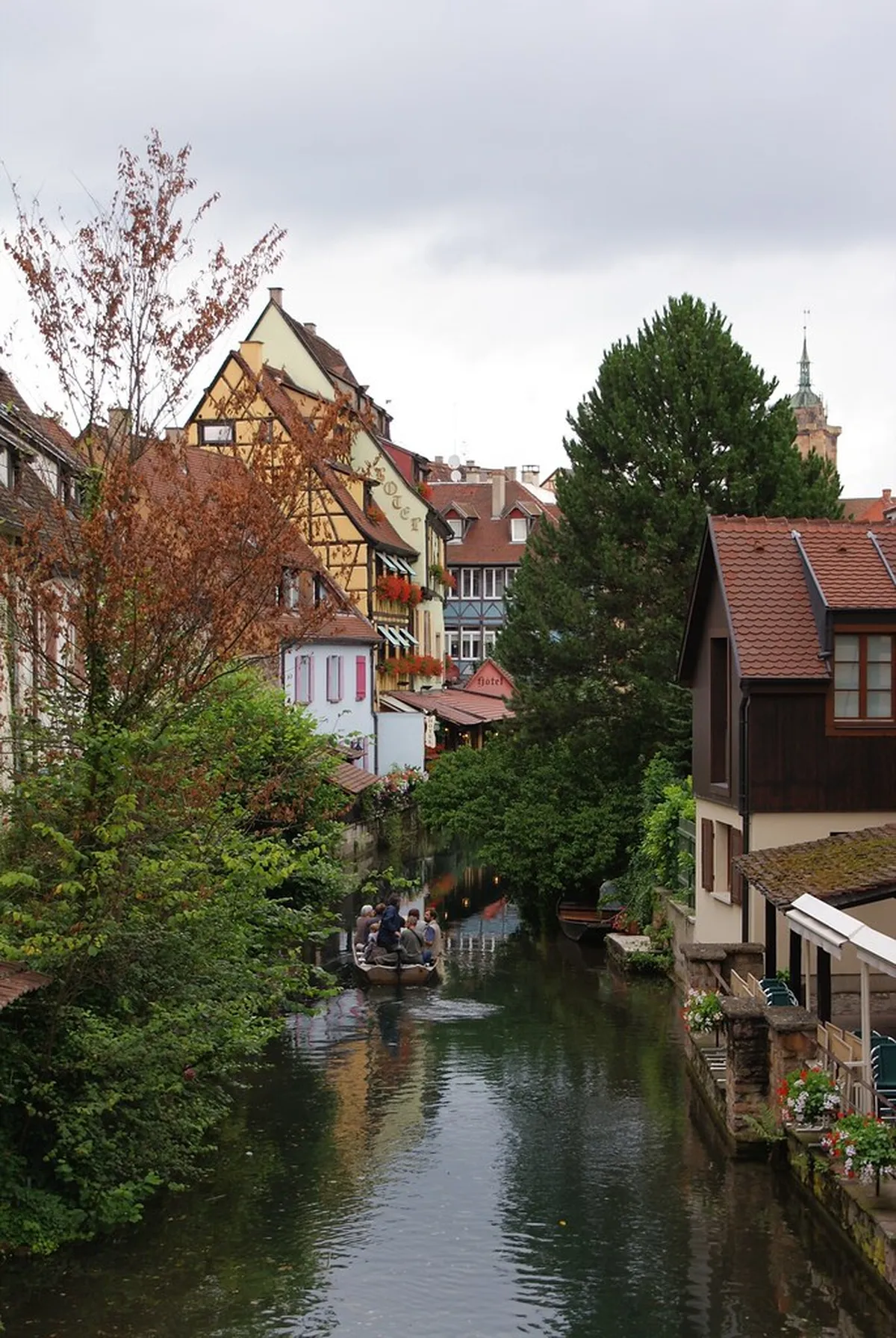
The Lauch River flows through a picturesque district known by everyone as Little Venice. This area served as the historic center for local market gardeners and professional boatmen. Houses line the narrow canals creating beautiful reflections on the calm and clear water. It is the most photographed part of the city for tourists on tour.
The Little Venice Colmar urban layout allowed for very efficient goods transport by water. Flat-bottomed boats carried fresh produce directly to the central markets for daily local sale. This water-based infrastructure supported the local economy for many centuries of successful trade history. Today tourists enjoy peaceful boat rides through the quiet and historic residential canals.
Most houses in this district belong to the late part of the medieval period. They are painted in bright pastel colors like pink and blue and bright yellow. Historically these colors indicated the specific trade of the owner of each individual building. Fishermen lived in blue houses while local bakers often chose bright yellow for homes.
Walking along the Quai de la Poissonnerie offers stunning views of the entire historic district. The street name refers to the old fish market once located in this specific area. You can see how the architecture adapts perfectly to the edge of the river. Wooden balconies hang directly over the water to maximize the limited urban space available.
The district feels especially romantic during the evening illumination hours in the late summer. Modern lighting highlights the textures of the old wood and the ancient local stone. Bridges provide perfect vantage points for viewing the historic canal-side architecture from above. It remains a tranquil escape from the busier commercial shopping districts found elsewhere.
The Tanners' District Industrial History
The Tanners' District features some of the tallest houses found in the whole city. These buildings date back to the 17th and 18th centuries of the city history. Tanners used the open upper galleries to dry animal skins and hides in the air. The architecture directly reflects the industrial needs of the local leather trade from long ago.
These houses often have very steep roofs with multiple levels of vents for airflow. These openings allowed air to circulate freely through the drying lofts located in the attic. Most of these structures underwent significant restoration during the 1960s and the early 1970s. This project saved the district from potential demolition and the threat of urban decay.
The proximity to the river was essential for the leather making process during those years. Large amounts of water were needed to clean and treat the raw animal skins. Today the district is home to many charming restaurants and very small boutique shops. It offers a unique glimpse into the city's hard-working and industrial past for visitors.
Walking through this neighborhood feels like stepping back into the late 1600s of France. The narrow streets create a sense of intimacy and total historical immersion for the tourist. Notice the large stones placed at the base of the old timber frames today. These stones protected the wood from moisture and rot from the wet city streets.
The district serves as a bridge between the Old Town and the Little Venice area. It is easily accessible on foot during any standard Colmar architecture walking tour route. Look for the Petite Rue des Tanneurs for the most authentic and historic experience. The high facades create dramatic shadows on the cobblestones during the late afternoon hours.
Frequently Asked Questions
How long does a typical Colmar architecture walking tour take?
A standard tour usually takes between two and three hours to complete fully. This allows enough time to see the major landmarks without feeling very rushed. You should wear comfortable shoes for walking on the old cobblestone streets today.
When is the best time for photography in Colmar?
The golden hour just before sunset offers the best lighting for architectural photography. The yellow sandstone of the church glows beautifully under the soft and warm light. Early morning is also good to avoid the large crowds of daily tourists.
Is a Colmar architecture walking tour suitable for children?
The colorful buildings and boat rides make the tour very engaging for younger visitors. The walking distances are relatively short and the streets are mostly pedestrian zones. Families often enjoy the fairy tale atmosphere of the historic Little Venice district.
Colmar offers a remarkable journey through the history of European design and building. This Colmar architecture walking tour covers everything from medieval timber to grand Renaissance stone. Every street corner reveals a new architectural surprise for visitors to enjoy and photograph. Experience the magic of Alsace by booking your 2025 trip to this city today.
Key Takeaways
- Wear comfortable walking shoes for the historic cobblestone streets of the Old Town.
- Visit the Maison Pfister to see the best example of Renaissance residential design.
- Take a boat trip through Little Venice for unique views of canal-side houses.
- Look for the drying lofts in the Tanners' District to see industrial architecture.
Related reads: architecturebycity.com.