
Little Venice Colmar Urban Layout: 2025 Guide
Explore the Little Venice Colmar urban layout. Learn about historical planning, canals, and half-timbered architecture in this 2025 expert guide. Visit today!
On this page
The Little Venice Colmar urban layout represents a masterpiece of medieval design and hydraulic engineering within France. Architects and historians study this area to understand how cities adapted to riverfront environments centuries ago. You will find that every street corner offers a new perspective on this ancient and efficient planning style. Plan your trip for early spring in 2025 to avoid the heaviest tourist crowds in the district.
The Lauch River flows directly through the heart of the city to provide essential transport for local merchants. This water system defined how residents lived and worked within the dense historical center of the town. Modern travelers can still see the original logic that shaped these narrow streets and colorful canal-side homes. It remains one of the most photographed examples of Alsatian urbanism in the entire European continent today.
Evolution of the Little Venice Colmar Urban Layout
The district began as a central hub for professional gardeners and wine producers during the late middle ages. These local workers needed constant and easy access to the water for their daily commercial transportation needs. The architecture in Colmar reflects these early economic requirements through specific building placements and narrow street designs. Many homes featured direct access to the river so that boats could load goods without any delay.
Historically, the layout served practical goals rather than the aesthetic beauty that modern tourists enjoy so much today. Small wooden boats carried fresh produce to the market square located just a short distance from the canals. This efficient movement of goods dictated the widths of the streets to allow for cart and horse traffic. Most of these original paths remain unchanged for visitors who want to experience authentic history in 2025.
Urban planners used the natural curve of the river to define the boundaries of each residential block here. This approach maximized the available land while ensuring that every property had a connection to the vital waterway. You can observe how the buildings lean toward the water to gain extra space on the upper floors. These cantilevered structures allowed families to expand their living areas without infringing on the busy public streets.
As the city grew, the Little Venice Colmar urban layout adapted to include more diverse professional groups and residents. Tanners and fishmongers moved into the area to take advantage of the flowing water for their specific trades. This migration led to the development of specialized zones where certain industries dominated the architectural landscape for generations. The legacy of these workers is still visible in the names of the streets and bridges today.
Structural Elements and Street Design
The Little Venice Colmar urban layout features a distinct radial design that converges near the central canal system. This layout creates a highly organized grid within a relatively small and confined geographic space in the city. It allows for natural ventilation and drainage to occur throughout the year despite the high density of buildings. Residents in the 14th century understood the importance of maintaining airflow to prevent the spread of dampness.
Traditional Quai de la Poissonnerie history shows how city officials divided plots to benefit as many merchants as possible. Each narrow lot was designed to maximize its water frontage for loading and unloading commercial goods effectively. This dense packing of homes created the iconic and charming look of the narrow, colorful streets we see. Such density was absolutely essential for both the defense of the town and the efficiency of trade.
Street widths in Little Venice vary according to their historical function and the volume of traffic they once carried. Main thoroughfares were wide enough for large carts while smaller alleys served as private pedestrian shortcuts for the locals. You will notice that many streets are paved with original cobblestones to maintain the historical integrity of the district. These stones require careful maintenance to ensure they can withstand the footsteps of thousands of modern visitors.
Public squares were integrated into the layout to provide space for social gathering and the exchange of local news. These open areas broke up the density of the buildings and allowed sunlight to reach the narrow street levels. Even today, these squares host seasonal markets and festivals that bring the entire community together for traditional celebrations. They serve as perfect landmarks for travelers navigating the winding paths of the historic Little Venice district.
Alsatian Architecture and Urban Integration
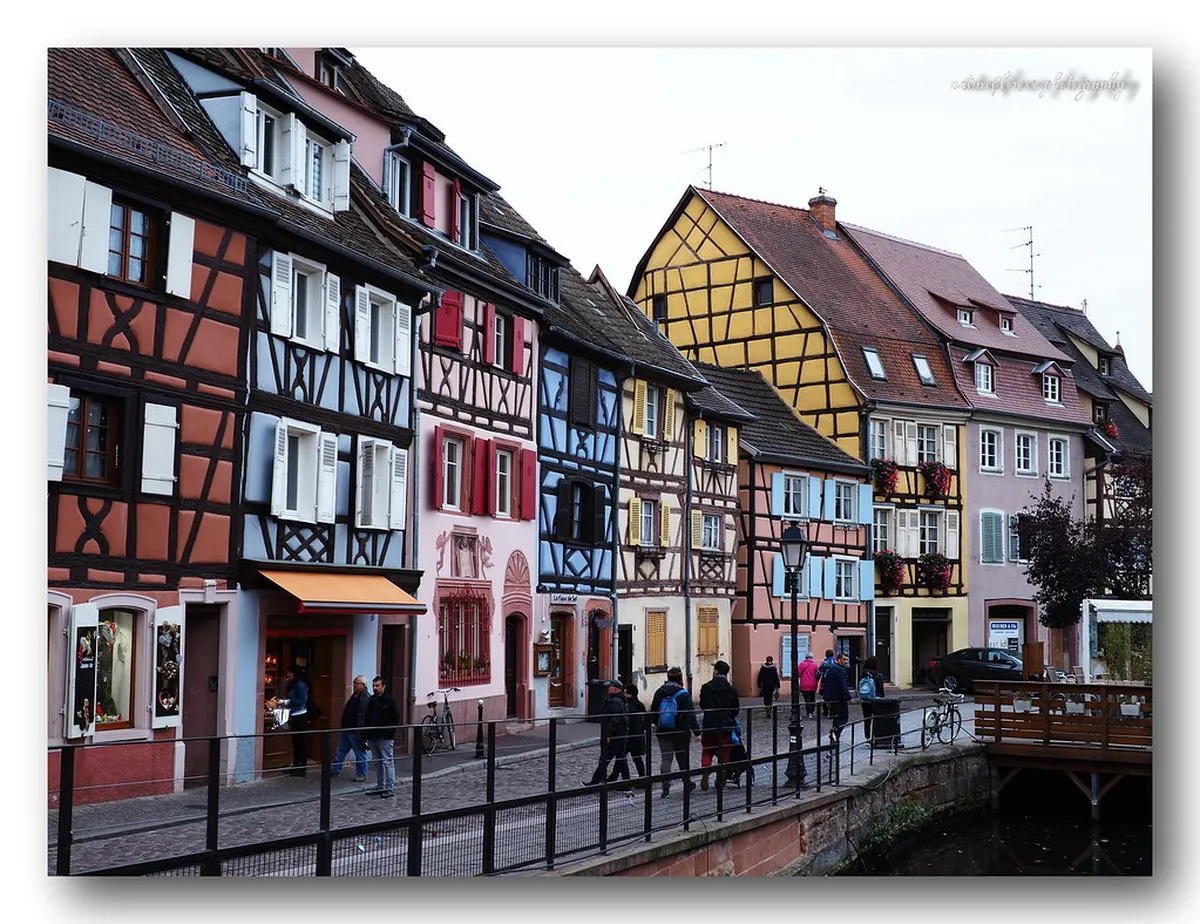
Half-timbered buildings serve as the primary hallmark of this unique and well-preserved urban district in eastern France. The Little Venice Colmar urban layout relies on these sturdy timber frames to support structures on the soft soil. These wooden skeletons allowed for flexibility which was necessary when building so close to the flowing river banks. Residents could build taller homes without needing the heavy and expensive masonry foundations common in other European cities.
You will notice many different Colmar half-timbered house styles as you walk along the picturesque and winding canals. Some houses feature very ornate carvings that indicate the high social status of the original wealthy merchant owners. The colors of the plaster between the timbers were historically used to identify the specific trade of the inhabitants. Many of these homes now undergo professional Colmar canal house restoration to preserve their vibrant and historic appearance.
The integration of the houses with the water is a defining feature of the local urban planning philosophy here. Wooden balconies often hang over the river to provide residents with a private view of the passing boat traffic. These architectural details create a seamless connection between the built environment and the natural flow of the Lauch River. It is this specific harmony that makes the district feel so intimate and welcoming to visitors from around the world.
Windows were strategically placed to capture the maximum amount of natural light during the short winter days in Alsace. The steep roofs were designed to shed heavy snow quickly to prevent any structural damage to the wooden frames. You can see how every architectural element serves a practical purpose while contributing to the overall beauty of the town. This functional approach to design has allowed the district to survive for several centuries with very few changes.
Water Management and Infrastructure
The Lauch River serves as the central spine of the Little Venice Colmar urban layout for both transport and cooling. Engineering in the 14th century focused on maintaining a steady water flow to support the local economy and health. This constant movement prevented water stagnation and helped to reduce the risk of disease within the dense urban core. The system of locks and gates allowed city officials to control the water levels during different times of year.
Modern urban planners still study this ancient water management system to find sustainable solutions for contemporary city challenges. The Tanners District architecture provides a nearby example of how the river was utilized for industrial waste removal. These areas were once very busy with workers who processed leather using the natural power of the flowing water. Today, the water serves a purely decorative and recreational purpose for the benefit of tourists and local residents.
Bridges play a crucial role in connecting the different parts of the district and facilitating easy pedestrian movement today. Most bridges are constructed from stone or iron to ensure they can support the weight of the many visitors. You can stand on these bridges to get the best views of the colorful houses reflecting in the water. These vantage points are essential for understanding the relationship between the streets and the river in the layout.
The city maintains the canal walls with traditional techniques to prevent erosion and preserve the historic look of the area. Constant monitoring of the water quality ensures that the river remains a healthy part of the urban ecosystem today. Local government invests significantly in the infrastructure to keep the district safe for everyone who visits during the year. These efforts ensure that the Little Venice Colmar urban layout remains a top destination for architectural enthusiasts everywhere.
Navigating Little Venice in 2025
The layout supports modern sustainability goals through the extensive use of pedestrian zones throughout the entire historic city center. Most streets in Little Venice are now restricted to foot traffic to protect the fragile wooden structures from vibrations. This policy reduces carbon emissions and creates a peaceful environment for travelers to explore at their own slow pace. Walking through the district allows you to appreciate the small details that cars would simply pass by too quickly.
Visiting in 2025 allows you to experience a quiet urban environment that feels disconnected from the modern world outside. Guided boat tours offer a very unique perspective of the architecture from the level of the water itself. These tours typically cost about 7 to 10 Euros per person and last for approximately thirty minutes each day. They operate from morning until evening to accommodate the many tourists who visit during the peak summer travel season.
Photography enthusiasts should visit the district during the early morning hours to capture the best light on the buildings. The reflections in the water are most still before the boat tours begin their daily operations on the river. You will find that the lack of crowds allows for much better compositions of the historic streets and bridges. Many professional photographers recommend using a wide-angle lens to capture the full scale of the narrow urban layout.
Local cafes and shops are integrated into the historical buildings to provide convenient services without ruining the ancient atmosphere. You can enjoy a traditional Alsatian meal while sitting on a terrace that overlooks the busy and scenic canal. Prices for a meal generally range from 15 to 30 Euros depending on the specific location and the menu. These businesses help to fund the ongoing preservation efforts that keep the Little Venice district looking its very best.
Frequently Asked Questions
What is unique about the Little Venice Colmar urban layout?
The layout combines a medieval street grid with a sophisticated canal system for trade. It features dense half-timbered housing that maximizes limited land near the river. This creates a highly efficient and visually stunning urban environment for residents.
How much does a boat tour in Little Venice cost in 2025?
A standard guided boat tour usually costs between 7 and 10 Euros for an adult ticket. These tours provide a unique view of the architecture from the Lauch River level. You should book your tickets early during the busy summer months to ensure a seat.
Is the Little Venice district accessible for pedestrians?
Yes, the entire district is primarily a pedestrian zone to protect the historic buildings and improve air quality. The narrow streets are paved with cobblestones which can be slightly uneven for some visitors. Most people find the area very easy to explore on foot within a few hours.
When is the best time to photograph the architecture?
The best time for photography is early in the morning before the tourist crowds arrive. The soft morning light highlights the vibrant colors of the half-timbered houses perfectly. You will also see beautiful reflections in the canal water before the boats begin moving.
The Little Venice Colmar urban layout is a remarkable triumph of historic planning and water management. It balances the needs of economic utility with an enduring and stunning visual charm for all visitors. Plan your 2025 visit soon to experience this architectural wonder in the heart of the Alsace region. You will find inspiration in every winding street and canal that makes up this historic French neighborhood.
Key Takeaways
- The layout was designed for water-based trade in the 14th century.
- Pedestrian zones protect the fragile half-timbered houses from modern traffic.
- Boat tours offer the best architectural perspective of the canal-side structures.
Related reads: architecturebycity.com, saint martin collegiate church architecture.