
Quai de la Poissonnerie History in Colmar
Explore the rich Quai de la Poissonnerie history in Colmar. Discover Little Venice today and plan your 2025 visit with this expert guide.
On this page
Colmar is a stunning town in the heart of Alsace, France. The Quai de la Poissonnerie history is central to its charm. This area served as the primary home for local fishmongers. It remains one of the most photographed spots in the world. You will find it nestled within the beautiful Little Venice district.
This neighborhood tells a story of trade and resilience. The colorful timber houses reflect centuries of local tradition. Water flows gently past the stone foundations of every building. Visitors flock here to see the unique architecture and layout. It is a must-see destination for any traveler in 2025.
Understanding the history enhances your appreciation of the site. The urban design was built for function and survival. Every beam and window has a specific purpose. This guide explores the deep roots of the fisherman's quay. Let us dive into the fascinating past of this historic district.
The Origins of the Fishmongers District
The Quai de la Poissonnerie history begins with the local fishing guild. Professional fishermen once dominated this specific stretch of the Lauch River. They held exclusive rights to sell their catch in this area. This district was the economic heart of the town's food trade. It provided fresh fish to the citizens of Colmar for generations.
Living near the water was a practical necessity for these workers. They used the river to transport goods and store their equipment. Small boats moved constantly along the narrow canals of the city. This proximity allowed for the fastest possible delivery to the market. It shaped the very culture of the neighborhood for centuries.
The guild members lived in houses that matched their professional status. These structures were built to accommodate both families and business needs. Large storage areas were often located on the ground floors. This allowed for easy access to the riverbanks during the day. The layout remains a testament to the town's medieval commercial roots.
Fishmongers were highly respected members of the local community. They contributed significantly to the wealth and growth of the region. Their influence is still seen in the preservation of these buildings. The quay served as a symbol of their lasting prosperity. Today, it stands as a monument to their historical labor.
Little Venice Colmar Urban Layout and Design
The Little Venice Colmar urban layout follows the natural river path. This design was intentional to maximize access to the water. The Lauch River acted as a liquid highway for the city. Houses are packed tightly together along the narrow cobblestone streets. This density was required due to limited space within the walls.
The district is known as Krutenau in the local German dialect. This name refers to the market gardens that once surrounded the area. The urban plan integrated residential life with agricultural and trade needs. It created a self-sufficient ecosystem within the heart of the city. The layout has changed very little since the Middle Ages.
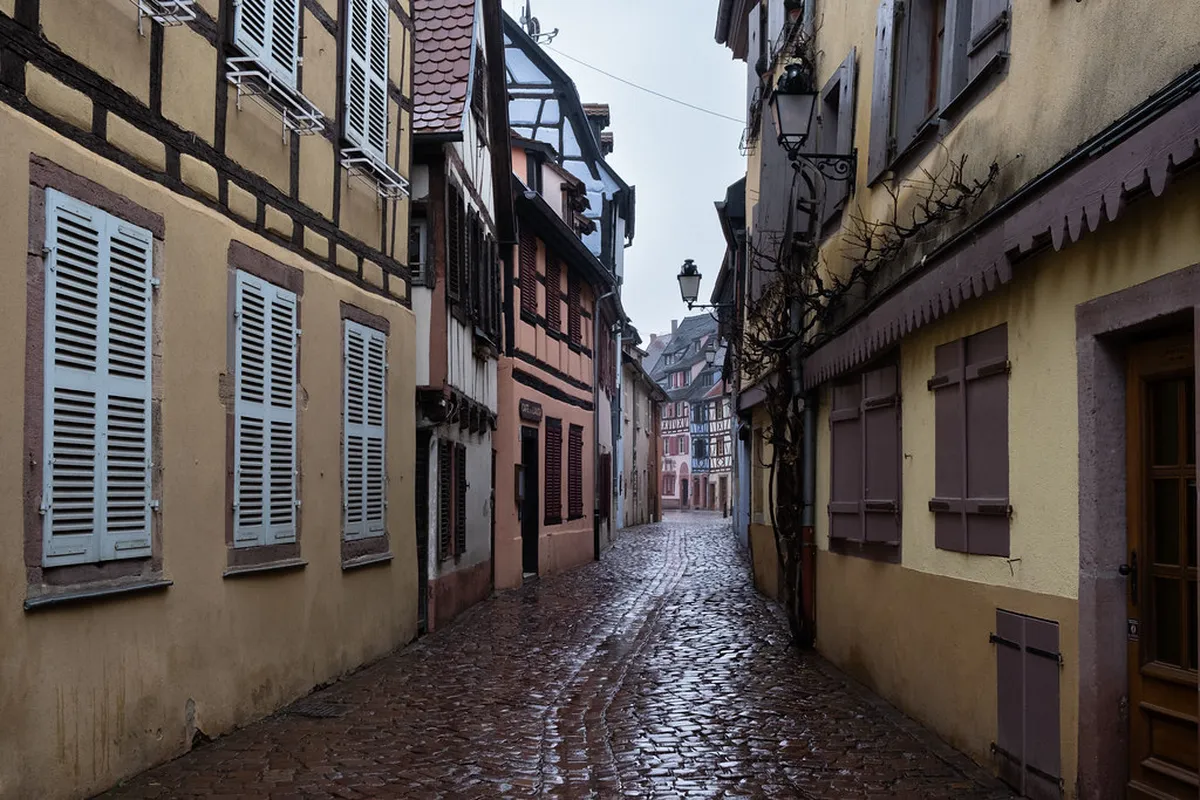
Narrow alleys lead from the main streets directly to the water. These paths were used by workers to load and unload boats. The stairs are often made of ancient, worn river stone. You can see how the architecture adapted to the flowing river. This harmony between water and wood is a defining feature.
Modern visitors appreciate the organic flow of the streets today. The curves of the river dictate the placement of every home. There are no straight lines in this part of the town. This creates a cozy and intimate atmosphere for those walking through. The design remains one of the best examples of Alsatian planning.
Iconic Colmar Half-Timbered House Styles
Each building showcases classic Colmar half-timbered house styles from different eras. The wooden frames are filled with a mix of clay and straw. This method provided excellent insulation for the cold winter months. Builders used local oak for the heavy structural support beams. Many of these frames have survived for over three hundred years.
The colors of the houses were not chosen for beauty alone. Historically, the paint colors identified the trade of the resident owner. Blue was the traditional color for fishmongers and river workers. Tanners often used red or brown for their specific workshops. These vibrant shades helped illiterate citizens navigate the busy city streets.
Steeply pitched roofs are another signature element of the local style. They prevented heavy snow from accumulating and damaging the structure. Small dormer windows allowed light into the attic storage spaces. Some attics were used to dry fish or animal skins. These functional features are now considered beautiful architectural details.
Flower boxes are a modern tradition that enhances the historical wood. Bright geraniums contrast beautifully against the dark, aged timber beams. This tradition started as a way to beautify the post-war city. Now, it is a key part of the local tourism identity. The preservation of these styles is strictly regulated by law.
Impact of the Great Fire of 1706
A devastating fire broke out in the fisherman's district in 1706. The flames spread quickly through the dry wooden structures of the quay. Dozens of medieval houses were destroyed in just a few hours. This event was a major turning point in the neighborhood's history. It forced the community to rethink their building methods and safety.
The reconstruction process began almost immediately after the fire died down. Residents wanted to maintain the traditional look of their beloved district. However, they incorporated more stone into the ground floor designs. This change helped to slow the spread of any future fires. Most houses seen today date from this rebuilding period.
The 1706 fire changed the aesthetic of the quay slightly. The newer houses were often larger and more symmetrical than before. They reflected the architectural trends of the early eighteenth century. You can spot the difference between the older and newer beams. These layers of history are visible to any observant visitor.
Preservation efforts today focus on protecting these 1700s era structures. Specialist craftsmen use traditional tools to repair the ancient timber frames. This work ensures the quay looks exactly as it did centuries ago. It is a delicate balance between modern safety and historical accuracy. The fire remains a significant chapter in the local lore.
Visiting the Quai de la Poissonnerie in 2025
Planning a trip to see the quay in 2025 is easy. The best time to visit is during the early morning hours. This allows you to avoid the large crowds of tourists. The morning light provides the best conditions for taking beautiful photos. You will see the perfect reflections in the calm river water.
You should consider booking a Colmar architecture walking tour for your visit. Expert guides explain the hidden meanings behind the different house colors. Tours usually last about ninety minutes and cover the main sites. They provide deep insights into the lives of the historical residents. Prices for these tours typically range from 15 to 25 Euros.
Boat tours are another fantastic way to experience the local layout. Small electric boats glide quietly under the low stone bridges. You will get a unique perspective from the level of the water. These tours are very popular and often sell out quickly. It is best to book your tickets online in advance.
The area is fully accessible for pedestrians throughout the entire year. There are many small boutiques and cafes located along the quay. You can enjoy a coffee while looking at the historic facades. Remember to respect the privacy of the people living there. Many of these beautiful houses are still private family homes.
Frequently Asked Questions
What is the Quai de la Poissonnerie history?
The Quai de la Poissonnerie history is rooted in the local fishing trade. For centuries, this area was the home and workplace of the city's fishmongers. They lived in brightly colored houses designed for easy access to the river. A major fire in 1706 led to the reconstruction of many buildings.
Where is the best place to see the urban layout?
The best view of the urban layout is from the Rue des Écoles bridge. This spot offers a panoramic view of the river and the houses. You can see how the buildings follow the curve of the water. It is the most famous photography location in Colmar.
Are the houses in Little Venice still used today?
Yes, most of the houses in Little Venice are still occupied. Some are private residences while others host shops or small restaurants. This makes the district a living piece of history rather than a museum. Visitors should remain mindful of the residents while exploring.
How much does a boat tour in Colmar cost?
A standard boat tour usually costs between 6 and 10 Euros. The trip takes roughly twenty-five minutes through the central canals. It is a very affordable way to see the architecture up close. Boats run frequently during the peak tourist season in 2025.
The Quai de la Poissonnerie history is a vital part of Colmar's identity. This district beautifully blends commercial heritage with stunning architectural design. You can feel the presence of the past in every stone and beam. It remains a highlight for anyone visiting the Alsace region in 2025. Take your time to explore the winding streets and quiet riverbanks.
We hope this guide helps you appreciate the depth of this historic quay. The combination of water, color, and wood creates an unforgettable atmosphere. Plan your visit today to experience this magical neighborhood for yourself. For more information on local landmarks, check our other guides. Enjoy your journey through the timeless beauty of Little Venice.
Key Takeaways
- The quay was historically the central hub for Colmar's fishing guild.
- House colors originally identified the trade or business of the owner.
- A 1706 fire resulted in the reconstruction of most existing buildings.
- The urban layout maximizes river access for historical trade purposes.
- Visit in the early morning to avoid crowds and get better photos.
Related reads: architecturebycity.com, architecture in colmar, tanners district architecture colmar.