
Colmar Railway Station Prussian Design & History
Explore the Colmar Railway Station Prussian design and German Imperial history. Our 2025 guide covers architecture, travel tips, and facts for your trip to France.
On this page
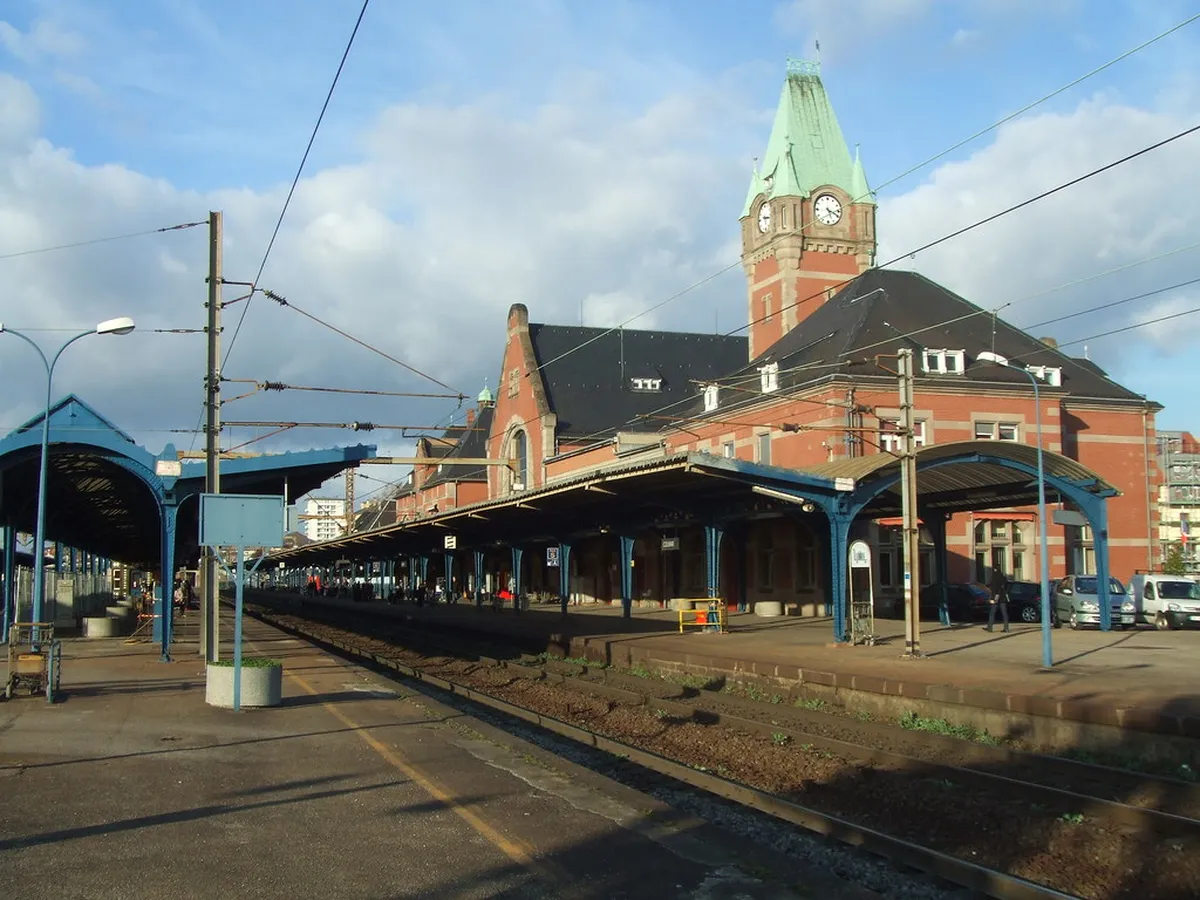
Colmar Railway Station is a stunning example of historic transit design. It showcases the grand Colmar Railway Station Prussian design from the early 1900s. Visitors arriving in 2025 will notice its imposing red sandstone facade immediately. This station serves as a gateway to the beautiful architecture in Colmar for many tourists.
The building stands as a powerful symbol of the city's complex history. It was built during a period of significant regional transformation. Architects designed the structure to reflect German engineering and aesthetic values. You will find it located conveniently near the heart of the city.
The Origins of the Station's Prussian Influence
The current station building was constructed between 1905 and 1907. This occurred while Alsace was under the rule of the German Empire. The German authorities wanted to modernize the regional transportation network. They chose an architectural style that projected strength and permanence.
Architects from the Prussian state railways led the ambitious design project. They replaced an older and smaller station that no longer met growing needs. The new structure was part of a larger urban expansion plan. It connected the old town with newly developed residential districts.
The Colmar Railway Station Prussian design was intended to be monumental. It featured expansive halls and modern amenities for the early twentieth century. These features made it one of the most advanced stations in the region. Today, it remains a vital link for travelers visiting eastern France.
Historical records show that the station cost millions of marks to build. This investment demonstrated the strategic importance of Colmar to the empire. The building survived two world wars with most of its structure intact. It now serves as a protected historical monument for all to enjoy.
Distinctive Elements of the Prussian Facade
The station features a striking red sandstone exterior from local quarries. This material choice highlights the prestige of Prussian civic construction projects. You can see detailed carvings near the main arched windows. The design reflects a mixture of historical styles popular in 1907.
A massive clock tower dominates the skyline of the station building. It served as a symbol of punctuality and Prussian order. The tower reaches high above the neighboring residential rooftops. Its silhouette is visible from several blocks away in the city center.
The facade includes heavy arched portals for passenger entry and exit. These arches provide a sense of grand scale for arriving travelers. Intricate ironwork decorates the doors and surrounding window frames. This craftsmanship remains remarkably well-preserved for visitors to see in 2025.
Decorative gables add verticality to the long horizontal stretch of the building. These elements draw the eye upward toward the slate roof. Each gable features unique masonry work and symbolic structural reinforcements. The overall effect creates an imposing presence on the Place de la Gare.
Strong horizontal lines balance the height of the central tower. This architectural choice creates a sense of stability and permanence. The station was designed to impress both locals and foreign visitors. It remains a masterpiece of the German Imperial architecture in Colmar today.
Interior Layout and Passenger Experience
Step inside to find a spacious main concourse with high ceilings. The interior design prioritizes natural light through large clerestory windows. This creates an airy atmosphere for commuters and tourists alike. Modern ticketing kiosks now stand alongside original decorative stone elements.
The waiting areas retain much of their early 20th-century charm and character. Original tile patterns are still visible in certain sections of the floor. These small details provide a glimpse into the station's storied past. You will find plenty of seating while waiting for your next train.
Practicality was a major focus for the Prussian railway designers in 1905. They created wide corridors to prevent congestion during peak travel hours. The layout allows for easy movement between the platforms and the street. Signage is clear and available in multiple languages for international visitors.
You can find several small shops and cafes within the station building. These provide snacks and coffee for travelers on the go in 2025. Prices are comparable to other French regional transit hubs. Most shops are open from early morning until late in the evening.
The Role of German Imperial Style in Colmar
The station is the centerpiece of a wider architectural movement in the city. Many surrounding buildings share similar design traits from the same historical era. This area is often called the Quartier des Ambassades by local historians. It represents the formal German expansion of the city during the annexation.
Prussian design focused on creating a unified look for public infrastructure. This included schools, post offices, and administrative buildings across the region. You can see this uniformity in the use of red and yellow sandstone. These buildings contrast sharply with the medieval timber-framed houses nearby.
The station served as a grand entrance to this modern German district. It was meant to make a lasting impression on arriving officials. The scale of the building reflects the pride of the era's engineers. It remains a physical reminder of the city's dual French and German identity.
Visitors can walk from the station directly into the historic embassy district. The wide boulevards here differ significantly from the narrow streets of Little Venice. This transition showcases the evolution of urban planning over several centuries. Exploring this area provides a complete picture of Colmar's diverse architectural history.
Comparing Colmar and Metz Railway Stations
Colmar's station shares a similar history with the station in Metz. Both were built during the German annexation of the Alsace-Lorraine region. They served as vital links in the strategic railway network. Both buildings emphasize the power of the German Empire through stone.
While Metz is larger, Colmar offers a more intimate architectural experience. The Colmar design feels closely integrated with the surrounding neighborhood. It lacks the massive military scale found in the Metz fortifications. However, both stations use the same high-quality Vosges sandstone.
The artistic details in Colmar reflect a refined Neo-Renaissance approach. Metz leans more heavily into the Romanesque Revival style for its facade. You can explore these differences while touring the various districts of both cities. Both sites offer a unique look at early 20th-century urban planning.
Travelers often visit both cities to compare these transit landmarks. The journey between the two stations takes about one hour by train. This allows for an easy day trip for architecture enthusiasts. You will appreciate the unique character of each regional transportation hub.
Practical Tips for Visiting the Station in 2025
The station is located about a fifteen-minute walk from the city center. You can also take a local bus or a quick taxi. Most hotels in the area offer shuttle services for arriving guests. Check the current schedule online before you arrive in the city.
The best time to photograph the facade is during the late afternoon. This is when the sun illuminates the red sandstone most beautifully. The warm light brings out the intricate details of the carvings. You can capture great shots from the far side of the square.
Traveler Tip: Use the luggage lockers if you arrive before your hotel check-in. This allows you to explore the city without carrying heavy bags. The lockers are located near the side entrance of the main hall. They are safe and easy to use for a small fee.
Security at the station is modern and efficient for all travelers. Expect to see staff patrolling the platforms and main halls regularly. The station is generally very safe during all hours of operation. Always keep an eye on your personal belongings in crowded areas.
Frequently Asked Questions
What is the architectural style of the Colmar station?
The building features a blend of Neo-Gothic and Neo-Renaissance styles. This specific combination is typical of the Colmar Railway Station Prussian design. It uses local red sandstone to create a grand and imposing facade.
When was the Colmar train station built?
Construction of the current station building took place between 1905 and 1907. It was designed by architects working for the Prussian state railways. The building replaced an earlier station that had become too small.
Are there luggage lockers at Colmar station in 2025?
Yes, the station provides secure luggage lockers for travelers. They are available in various sizes to accommodate different types of bags. You will find them located near the main passenger hall for easy access.
Is the Colmar station accessible for people with mobility issues?
The station has been modernized to include elevators and accessible ramps. All main platforms are reachable for passengers using wheelchairs or strollers. Staff are available to assist anyone needing extra help with boarding.
Colmar Railway Station is more than just a place to catch a train. It is a masterpiece of early 20th-century Prussian engineering and design. The building offers a unique glimpse into the complex history of the Alsace region. Plan your visit in 2025 to see this historic landmark for yourself. Start your journey by booking your tickets to Colmar today.
Key Takeaways
- The station was built between 1905 and 1907 in a Prussian style.
- It features distinctive red sandstone and a prominent clock tower.
- The building is a key example of German Imperial architecture in the city.
- Practical amenities like luggage lockers and cafes are available for 2025 travelers.
Related reads: architecturebycity.com, court of appeal building colmar architecture, colmar half timbered house styles.