
German Imperial Architecture in Colmar Guide
Learn about German Imperial architecture in Colmar with our 2025 guide. Explore historic Prussian landmarks and elegant villas in this French city today!
On this page
Colmar showcases a fascinating blend of French and German building styles across its historic center. You will find many examples of German Imperial architecture in Colmar during your next visit. This style first emerged when the city became a part of the German Empire in 1871.
The annexation led to a massive wave of construction projects throughout the late nineteenth century. New administrative buildings rose to demonstrate the power and stability of the reigning German Kaiser. These structures often feature grand scales and heavy stone materials to impress every passing visitor.
You will find that these structures offer a distinct contrast to the colorful timber houses of the old town. The scale and materials of the imperial period reflect the industrial ambitions of the late nineteenth century. Start your journey today to uncover the secrets of this significant chapter in the history of Alsace.
Origins of German Imperial Architecture in Colmar
Colmar serves as a living museum where different European cultures meet through unique structural designs. The German Imperial period began after the Franco-Prussian War when Alsace changed political hands. Architects arrived from Berlin to transform the urban landscape with massive and imposing stone structures.
You can see the shift from traditional timber frames to modern masonry in many neighborhoods. This era introduced high technical standards and innovative urban planning methods to the growing Alsatian town. Local architects blended historical motifs with new industrial capabilities to create a very distinct aesthetic.
Walking through these districts provides a unique glimpse into the complex political history of the region. Every stone and window reflects the cultural influence of the German Empire during this specific period. Exploring this heritage offers a deeper understanding of the diverse architecture in Colmar today.
The buildings from this time remain well-preserved and continue to serve important functions for the community. You will notice a stark contrast between these structures and the older medieval houses nearby. This historical layer adds incredible depth to the visual landscape of this beautiful French city.
Modern visitors often appreciate the durability and craftsmanship found in these nineteenth-century administrative offices. The blend of German precision and French charm makes the city a top destination for historians. You should take time to notice the small details that distinguish this era from earlier periods.
The Majestic Colmar Railway Station Design
The local train station serves as a prime example of majestic Prussian construction techniques from 1907. Architects designed the building to look like a fortress using solid red sandstone from the Vosges. It mirrors the style found at the station in Danzig, which was then a Prussian city.
You should look at the Colmar railway station Prussian design to see its beautiful architectural details. The main entrance features wide arches and intricate stone carvings that represent the power of the rail. This building helped transform the city into a modern transport hub for the entire German Empire.
The interior of the station retains many original features that date back to its grand opening. You will find large windows that allow natural light to fill the spacious main passenger hall. These design choices were very modern for the early twentieth century and focused on passenger comfort.
The tall clock tower remains one of the most recognizable landmarks for travelers arriving in the city. It serves as a constant reminder of the precise engineering standards favored by the German administration. You can capture excellent photos of this historic landmark during the soft light of the morning.
Preservation efforts ensure that the station looks much like it did over one hundred years ago. It continues to be a busy gateway for tourists who want to explore the history of Alsace. The station stands as a monument to the industrial progress achieved during the German Imperial era.
The Court of Appeal Architectural Grandeur
The Court of Appeal stands as one of the most impressive examples of public German construction. It was built between 1902 and 1906 to house the regional judicial offices for the territory. The design follows a strict Neo-Baroque style that was popular across the German Empire at the time.
You can visit the Court of Appeal building Colmar architecture to appreciate its formal and symmetrical facade. The structure uses a combination of light and dark stone to create a very dramatic visual effect. Its imposing presence was intended to inspire respect for the law among the local citizens.
The roof features elaborate gables and decorative sculptures that reflect the artistic tastes of the period. Inside the building, grand staircases and high ceilings continue the theme of imperial power and legal authority. Many of the original interior decorations have been carefully restored to their former glory for 2025.
This landmark is located slightly outside the medieval core of the city in a more modern district. It represents the expansion of the urban area that occurred during the thirty years of German rule. Visitors often stop here to admire the contrast between this stone giant and the nearby parks.
The courtyard provides a quiet space where you can study the intricate details of the stonework. It remains a functioning legal center while also serving as a key stop for architecture enthusiasts. The building highlights the lasting impact of German urban planning on the modern layout of Colmar.
Exploring the Quartier des Ambassades Villas
The Quartier des Ambassades contains a high concentration of elegant residential buildings from the imperial period. Wealthy officials and merchants built these large villas to showcase their status within the new German administration. Each home features a unique blend of historical styles including Neo-Renaissance and Neo-Gothic architectural elements.
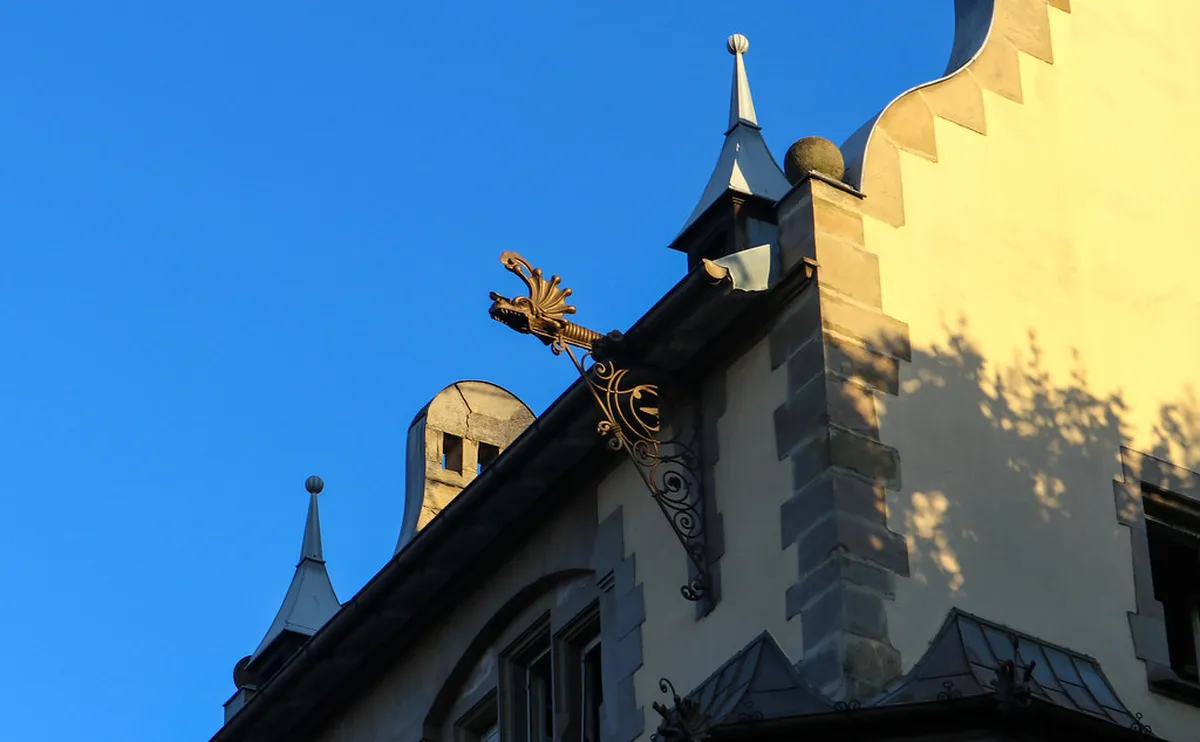
You will find several Quartier des Ambassades villa styles while walking through these quiet, tree-lined streets today. Many houses include towers, balconies, and decorative ironwork that create a very picturesque and romantic atmosphere. These designs were meant to provide comfort while also displaying the wealth of the owners.
The neighborhood was carefully planned with wide boulevards and plenty of green space for the residents. This approach to urban design was a hallmark of German city planning during the late nineteenth century. It offered a cleaner and more organized alternative to the crowded streets of the old town.
Today these villas are highly sought after as prestigious residences or offices for local professional firms. They have been beautifully maintained and still feature the lush gardens that were part of original designs. Exploring this area gives you a sense of the daily life of the city’s former elite.
The diversity of the facades makes this district a favorite spot for photographers and history lovers. You can spend an entire afternoon discovering the small artistic details hidden on every corner of the street. This neighborhood remains a vital part of the architectural heritage that defines the character of Colmar.
Key Features of the Prussian Architectural Style
German Imperial architecture often utilizes heavy masonry and grand proportions to create a sense of permanence. You will notice the frequent use of red and yellow sandstone taken from the nearby mountains. These materials were chosen for their durability and their ability to be carved into intricate decorative shapes.
Many buildings from this era feature steep roofs with dormer windows that are typical of northern European design. The use of round arches and solid columns gives these structures a very stable and grounded appearance. These stylistic choices distinguish the imperial buildings from the lighter timber frames of the French Renaissance.
Decorative motifs often include eagles, shields, and other symbols that represent the authority of the German state. You might also see floral patterns and geometric designs that hint at the coming Art Nouveau movement. These details show the transition between traditional historical styles and the modern art movements of 2025.
Modern lighting systems now highlight these architectural features during the evening hours for residents and visitors. This allows you to appreciate the craftsmanship and the scale of the buildings after the sun sets. The preservation of these features is a priority for the local government and historical societies.
Understanding these specific traits will help you identify imperial structures as you explore different parts of Alsace. The consistency of the style across the region creates a strong sense of historical and cultural identity. It serves as a physical record of the technological and artistic ambitions of a past era.
Frequently Asked Questions
Where is the best place to see German Imperial architecture in Colmar?
The area around the main railway station and the Quartier des Ambassades offers the best examples. These districts were developed specifically during the German administration between eighteen seventy-one and nineteen eighteen. You can easily walk between these landmarks to see the grand scale of the Prussian buildings.
When was the Colmar railway station built by the Germans?
The current station building was constructed in 1907 to replace an older and much smaller French structure. It was designed to handle the growing traffic of the German Empire and improve regional trade connections. The building remains one of the finest examples of imperial railway architecture in the entire region.
What materials are common in German Imperial buildings in Colmar?
Most structures use red and yellow sandstone sourced from the local Vosges mountain range for their facades. These heavy stones allowed architects to create the massive walls and elaborate carvings typical of the era. The use of high-quality masonry ensured that these buildings would last for many generations of residents.
Are there guided tours for German Imperial architecture in Colmar?
Yes, you can find a Colmar architecture walking tour that covers the imperial history of the city. These tours provide expert insights into the political and social context behind the construction of these landmarks. It is a great way to learn about the hidden details of the Prussian era.
Exploring the legacy of the German Empire provides a unique perspective on the long history of Alsace. The grand buildings of this era continue to shape the urban landscape and character of the city today. We hope this guide helps you appreciate the beauty and scale of these historic structures in 2025. Visit these landmarks soon to experience the fascinating blend of cultures that defines this beautiful French destination.
Key Takeaways
- Visit the railway station to see iconic Prussian sandstone design.
- Walk through Quartier des Ambassades for elegant imperial villa styles.
- Look for red and yellow sandstone as key building materials.
Related reads: architecturebycity.com.