
Unterlinden Museum Architectural Design Guide
Explore the Unterlinden Museum architectural design in Colmar. Learn about the 2025 visitor experience and historic expansion. Book your tour today!
On this page
The Unterlinden Museum architectural design stands as a masterpiece of history. This site combines a 13th-century convent with a bold new wing. Visitors from around the world come here to see this blend. It represents the very best of architecture in Colmar for modern travelers.
The museum houses the famous Isenheim Altarpiece within its walls. Architects Herzog & de Meuron led the recent renovation project. They focused on creating a bridge between different historical eras. The result is a seamless flow of space and light.
The museum remains a top cultural destination in France in 2025. You will find quiet gardens and bright galleries here. The design respects the past while embracing the future. This review covers every detail of the building's layout.
The 13th-Century Dominican Cloister Architecture
The museum began its life as a silent place for prayer. This 13th-century Dominican cloister architecture offers a peaceful atmosphere. The central courtyard features stone arches and green spaces. It serves as the historic heart of the entire complex.
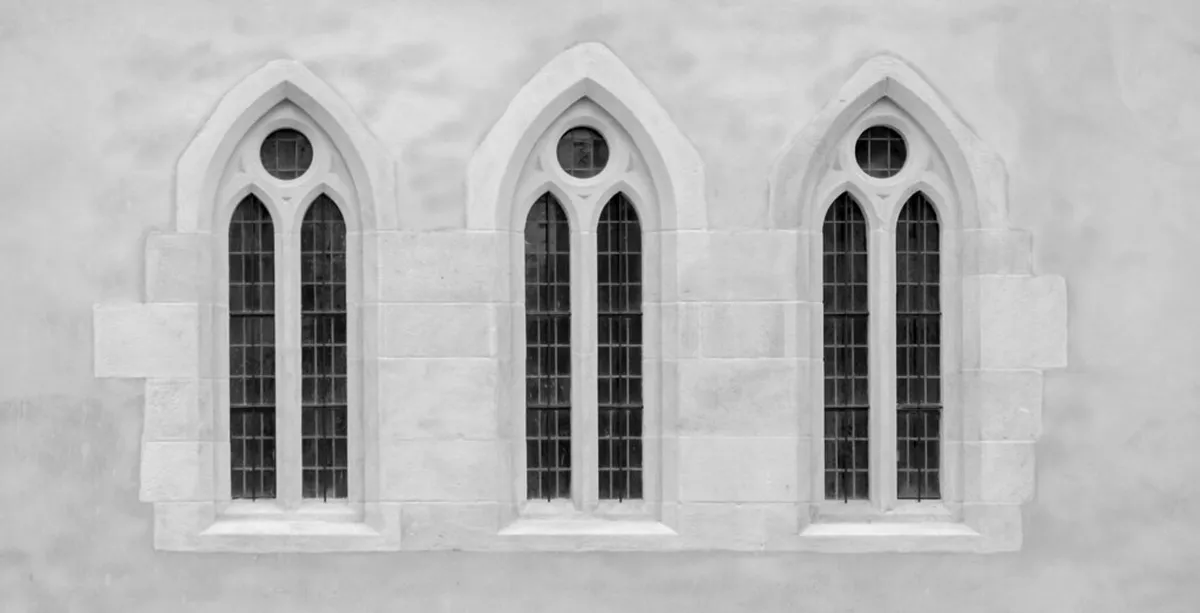
Workers carefully restored the old chapel to house sacred art. The high vaulted ceilings create a sense of grand scale. Sunlight filters through the narrow windows during the day. This lighting highlights the texture of the ancient stone walls.
Walking through the cloister feels like stepping back in time. The paths are made of traditional materials found in Alsace. You can see the skill of medieval masons in every corner. It provides a stark contrast to the newer galleries nearby.
The cloister connects several small rooms once used by nuns. These spaces now display artifacts from the Middle Ages. The transition from outdoors to indoors is very smooth. It is a perfect example of adaptive reuse in France.
The Modern Unterlinden Museum Architectural Design
The recent expansion added a new wing called the Ackerhof. This part of the Unterlinden Museum architectural design uses white brick. The facade mirrors the height and shape of the old convent. It looks both modern and deeply rooted in local history.
Herzog & de Meuron designed this wing to house modern art works. The interiors feature large galleries with high, pitched ceilings. These spaces allow for massive paintings and sculptures to breathe. Natural light enters through clever openings in the roof structure.
The Herzog de Meuron Colmar extension cost millions of Euros to build. It was completed in late 2015 after years of planning. The project transformed the museum into a major European landmark. It now offers double the space for visitors to explore.
The architects used local materials to maintain a sense of place. The bricks were sourced from nearby regions to match Colmar. This choice ensures the new wing feels part of the city. It does not feel like an alien structure in town.
The Ackerhof building also includes a beautiful new entrance area. Here, visitors find the ticket office and a large shop. The lobby is bright and uses very clean geometric lines. It sets a professional tone for the rest of the tour.
The Underground Gallery and Urban Connection
A unique underground gallery connects the old and new sections. This tunnel runs beneath the local canal and city streets. It serves as a hidden bridge for museum visitors. The Unterlinden underground gallery design is simple and very effective.
The gallery walls are smooth and painted in neutral colors. This allows the history of the building to take center stage. You can see models of the museum's various construction phases here. It explains how the site changed over eight hundred years.
The tunnel also houses works that detail Colmar's urban history. Visitors can learn about the city while moving between buildings. The temperature remains cool and steady throughout the entire year. It provides a comfortable walk during the hot summer months.
This link also connects the museum back to the city square. The architects wanted the museum to feel like a public park. They opened up views to the Sinn Canal nearby. This makes the museum feel like a part of urban life.
Aesthetics and Material Selection in Colmar
The use of copper and wood adds warmth to the design. These materials age gracefully over many decades of use. You will notice copper details on the roofs and doors. They turn a beautiful green color as they weather outside.
The wooden floors in the galleries feel soft under your feet. This material helps with the acoustics of the large rooms. Sound does not echo as much in these wooden spaces. It creates a more intimate experience for viewing fine art.
The museum features several staircases with very sharp, clean lines. These stairs are carved from heavy stone or cast in concrete. They act as functional sculptures within the museum's open halls. The craftsmanship is evident in the smooth finish of the edges.
Large glass windows offer views of the historic town outside. You can see the half-timbered houses from the upper floors. This visual link connects the art inside to the world outside. It reminds visitors of the rich culture of the Alsace region.
The Visitor Experience and Museum Layout 2025
Visiting the museum in 2025 is an easy and rewarding task. The layout is logical and guides you through chronological history. Start in the cloister to see the earliest religious works. Then, move through the tunnel to reach the modern era.
The museum offers audio guides in many different languages today. These guides explain the modern architecture in Colmar in great detail. You can learn about the engineering behind the new wing. It makes the visit more educational for building enthusiasts.
Expect to spend at least three hours on a full tour. The museum is open from Wednesday to Monday every week. Admission for adults is approximately 13 Euros as of 2025. Students and seniors can often receive a discounted entry price.
The museum cafe offers a great place to rest and eat. It overlooks the new garden between the two main buildings. You can enjoy local snacks while looking at the brickwork. This space is a favorite for locals and tourists alike.
The museum is fully accessible for visitors with limited mobility. Elevators reach every floor in both the old and new wings. Clear signs point the way to all major exhibits and exits. The staff is very helpful and speaks multiple languages fluently.
Frequently Asked Questions
Who designed the extension of the Unterlinden Museum?
The famous Swiss architects Herzog & de Meuron designed the extension. They are known for many famous buildings around the world. The project was finished in 2015 to great acclaim. It successfully doubled the museum's total exhibition space.
What is the most famous artwork in the Unterlinden Museum?
The Isenheim Altarpiece by Matthias Grünewald is the most famous work. It is located in the old chapel of the cloister. The architectural design highlights this piece with dramatic lighting. Most people visit specifically to see this historic masterpiece.
Is the Unterlinden Museum accessible for wheelchairs?
Yes, the museum is fully accessible for all visitors. Modern elevators connect every level of the historic and new buildings. The underground gallery features ramps for easy movement. The museum staff can provide extra help if you need it.
How much does a ticket to the museum cost in 2025?
Standard adult tickets cost about 13 Euros in 2025. Prices may vary for special exhibitions or group tours. It is best to check the official website before you visit. You can often buy tickets online to skip the lines.
The Unterlinden Museum architectural design is a triumph of modern planning. It honors the 13th-century past while providing a home for new art. This site is a must-see for anyone visiting Colmar in 2025. Plan your visit today to experience this unique building firsthand.
Key Takeaways
- The museum blends a 13th-century cloister with a modern wing.
- Herzog & de Meuron designed the 2015 Ackerhof extension.
- An underground gallery connects the old and new buildings.
- The Isenheim Altarpiece is the main attraction in the chapel.
- Local materials like brick and copper were used for consistency.