
13th-Century Dominican Cloister Architecture in Colmar
Discover the unique 13th-century Dominican cloister architecture at the Unterlinden Museum in Colmar. Explore its Gothic design and history today!
On this page
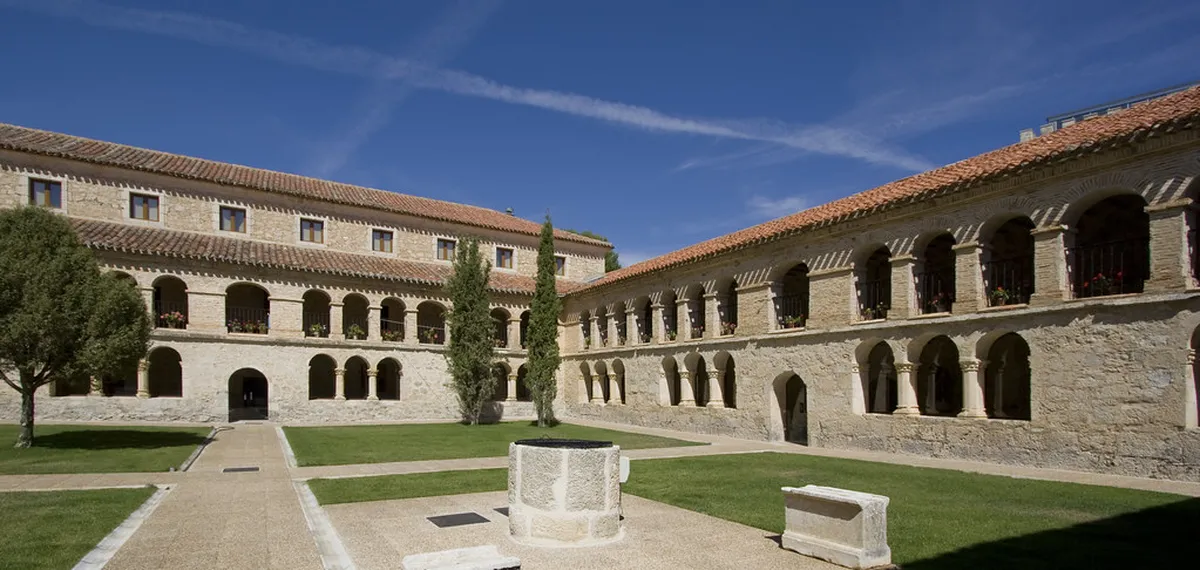
The Unterlinden Museum sits in the heart of historic Colmar. It features stunning 13th-century Dominican cloister architecture from the medieval era. Visitors often marvel at the serene atmosphere found within these walls. This building served as a silent sanctuary for many centuries.
Dominican sisters founded the original convent in the year 1232. They desired a location that offered peace and spiritual isolation. The structure began as a humble wooden house for the small community. You can see how architecture in Colmar evolved from these religious roots.
Origins of the Dominican Cloister
Construction of the primary stone cloister reached completion around 1280. The design reflects the transition from Romanesque to the early Gothic style. Masons worked for decades to perfect the vaulted ceilings and stone paths. This area remains one of the best-preserved cloisters in France.
Colmar was a thriving center of trade during the late Middle Ages. The wealth of the city supported many religious architectural projects. This convent benefited from local donations and royal protection over time. It stands today as a testament to the city's rich history.
The sisters used the cloister for daily prayer and quiet contemplation. Its square layout allowed for easy movement between the chapel and cells. Each side of the walkway measures approximately thirty-two meters in length. This mathematical precision shows the advanced skills of medieval builders.
The central garden was once used to grow medicinal herbs. These plants provided the community with natural remedies for various ailments. Today, the garden offers a lush green space for museum visitors. It creates a beautiful contrast against the ancient stone arches.
Key Features of Gothic Cloister Design
The Gothic style defines the appearance of the entire cloister walk. Pointed arches provide structural support while creating a sense of height. These arches repeat along all four sides of the central garden area. This repetition guides the eye and creates a meditative rhythm.
Each vaulting rib shows the precise skill of 13th-century stone masons. They used complex geometry to ensure the heavy stone ceiling remained stable. The intersection of the ribs forms a decorative boss at each center point. These small details add visual interest to the overhead structure.
Slender columns support the weight of the massive stone roof sections. These columns feature carved capitals with unique floral and foliage designs. No two capitals are exactly the same in their artistic execution. They represent the natural world that the sisters sought to honor.
The open courtyard allows light to enter the dark vaulted walkways. This creates a play of shadow and light throughout the entire day. Such lighting effects were essential for the spiritual ambiance of the convent. Modern photographers still visit to capture this unique visual experience.
Integration of Ancient and Modern Spaces
The cloister serves as the spiritual heart of the current museum complex. It bridges the gap between historical heritage and modern art exhibitions. Designers carefully preserved the Unterlinden Museum architectural design during recent renovations. This creates a seamless journey through time for every guest.
Visitors enter the cloister after passing through the modern reception area. The transition from contemporary steel to ancient stone is quite dramatic. This architectural contrast highlights the long history of the Unterlinden site. It makes the 13th-century craftsmanship feel even more impressive.
Large windows now protect the delicate stone from the outdoor elements. These glass panels allow for perfect views while maintaining a stable climate. Specialists installed these features with great care to avoid damaging the masonry. The result is a comfortable environment for both art and people.
The cloister galleries now house significant religious artworks from the region. Viewing these pieces in their original context enhances the visitor experience. It helps people understand the deep connection between art and faith. The 13th-century Dominican cloister architecture provides the perfect backdrop for these treasures.
Materiality of the Historic Sandstone Arches
The primary building material is the famous pink sandstone of the region. This stone comes from the nearby Vosges mountain range in Alsace. It is known for its durability and its beautiful warm color. The sandstone gives the cloister a distinct character found only here.
Skilled artisans carved each stone block by hand during the 13th century. You can still see the marks left by their medieval tools. These marks offer a personal connection to the workers of the past. They remind us of the immense labor required for such projects.
The color of the stone changes based on the time of day. Morning light brings out the bright pink and orange hues. Evening shadows make the stone appear deeper and more reddish in tone. This natural variation adds to the aesthetic charm of the walkway.
Sandstone is sensitive to pollution and moisture over many centuries. Museum conservators perform regular checks to prevent any significant stone decay. They use gentle cleaning methods to maintain the surface of the arches. These preservation efforts will keep the structure standing for another millennium.
Artistic Significance of Medieval Carvings
The column capitals are the most artistic part of the architecture. Each one tells a story through intricate stone carvings and symbols. You will find representations of local plants like grapes and ivy. These motifs celebrate the natural beauty of the surrounding Alsace countryside.
Some carvings depict mythical creatures or religious scenes from the Bible. These images served as educational tools for the medieval nuns. They could reflect on the meanings of the symbols during walks. The level of detail achieved in the hard stone is remarkable.
The corner pillars feature even more complex sculptural work and designs. These pillars provide extra support where the four galleries meet together. Architects often chose these spots for the most important decorative elements. They represent the high point of 13th-century artistic expression in Colmar.
Modern scholars study these carvings to learn about medieval life and culture. The iconography provides clues about the values of the Dominican order. It shows their dedication to both nature and spiritual study. Every stone in the cloister has a specific purpose and meaning.
Practical Guide for Visiting the Museum
The Unterlinden Museum is easy to find in central Colmar. It is located at 1 Rue d'Unterlinden near the main square. You can walk there from the train station in fifteen minutes. Public transport also stops frequently near the museum's main entrance.
The museum is open every day except for Tuesday each week. Standard opening hours are from 9 AM until 6 PM daily. It is best to arrive early to avoid the crowds. This allows you to experience the cloister in total silence.
Tickets for adults cost approximately 13 Euros for a full visit. Students and large groups can receive a significant discount on entry. You should book your tickets online to save time at the door. This ensures you have more time to enjoy the historic galleries.
The recent Herzog & de Meuron extension added many new amenities. You will find a modern cafe and a well-stocked gift shop. Elevators are available for guests with limited mobility or heavy bags. The facility is fully accessible for all travelers in 2025.
Frequently Asked Questions
What is the best time to visit the Dominican cloister?
The best time to visit is during the early morning. Natural light creates beautiful patterns on the stone floors at 9 AM. You will also find fewer tourists during these early hours.
How long should I spend at the Unterlinden Museum?
Most visitors spend at least two to three hours on site. This gives you enough time to see the cloister and art. The museum contains many levels of fascinating historical exhibits.
Is the cloister part of the main museum ticket?
Yes, the cloister is included in the standard admission fee. You do not need a separate ticket for this area. It serves as the central hub for the entire museum tour.
The 13th-century Dominican cloister architecture remains a crown jewel of Colmar. Its Gothic arches and peaceful garden offer a unique historical experience. Visit the Unterlinden Museum in 2025 to see this masterpiece yourself. You will leave with a deep appreciation for medieval craftsmanship and design.
Key Takeaways
- Plan your visit for the early morning to enjoy maximum peace.
- Look closely at the column capitals to see unique medieval carvings.
- Wear comfortable shoes because the museum involves a lot of walking.
Related reads: architecturebycity.com, unterlinden underground gallery design.