
Unterlinden Underground Gallery Design Guide
Discover the Unterlinden underground gallery design in Colmar. Learn about the Unterlinden Museum architectural design by Herzog & de Meuron. Book your tour now!
On this page
Colmar is a beautiful French city famous for its colorful half-timbered houses and narrow cobblestone streets. The Unterlinden Museum stands as a crown jewel within this historic and charming Alsatian urban landscape. Recent renovations have introduced a stunning modern element known as the Unterlinden underground gallery design to the site. This guide explores how architects transformed a medieval space into a contemporary masterpiece for art lovers. You will discover the secrets behind this subterranean architectural marvel and its importance to French culture.
Unterlinden Museum Architectural Design Origins
The museum is located within a former 13th-century Dominican convent in the heart of historic Colmar. Architects Herzog & de Meuron completed a massive expansion and renovation project in late 2015. They wanted to connect the original medieval cloister with a brand new contemporary building nearby. This ambitious goal required a creative and structural solution hidden deep below the busy canal level. The Unterlinden Museum architectural design balances ancient history with very modern needs.
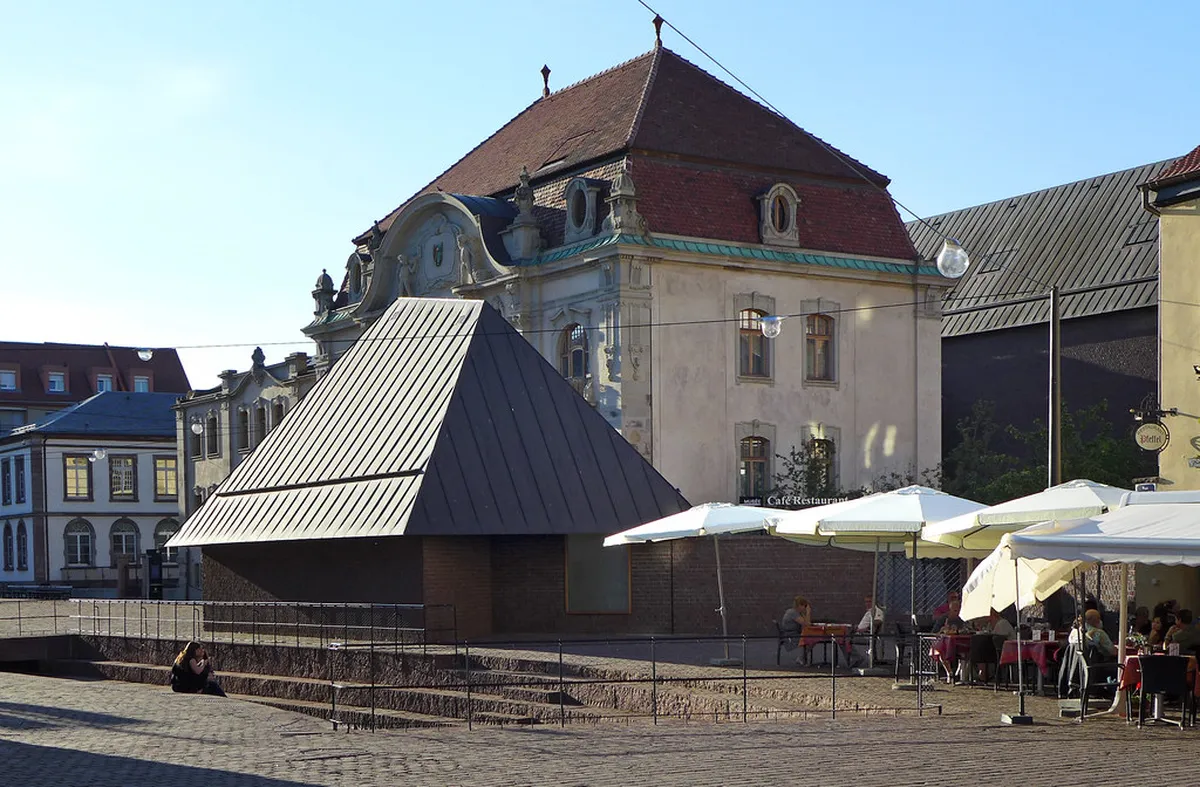
The expansion project focused on urban integration to improve the flow of visitors through the site. Designers aimed to preserve the existing landscape while adding significant new gallery space for modern art. They realized that building beneath the surface was the only way to protect the city's heritage. This decision led to the creation of the famous underground gallery that visitors enjoy today. It represents a bold step forward for museum architecture in the 21st century.
Construction involved complex engineering to ensure the safety of the surrounding historic structures and canals. Workers had to dig deep into the earth while managing water levels from the nearby Sinn. The project took several years of careful planning and execution to reach its successful completion. Today, the gallery stands as a testament to modern engineering and architectural vision in France. It has become a must-see destination for anyone interested in high-quality museum design.
The result is a seamless journey through time for every person who enters the museum doors. You can walk from a medieval cloister into a sleek modern space in just minutes. This contrast creates a powerful emotional experience that highlights the beauty of both architectural eras. The museum remains a vital part of the cultural identity of the Alsace region in 2025. It continues to attract thousands of visitors from around the world every single year.
The Vision of the Herzog de Meuron Extension
The famous Swiss architects focused on the concept of urban re-enchantment for this specific Colmar project. They wanted to link the original convent to a new building called the Ackerhof wing. The Herzog de Meuron Colmar extension uses the underground gallery as a vital physical link. It allows visitors to move naturally between different centuries of art and history. The design emphasizes simplicity and elegance throughout the entire subterranean walking path.
Jacques Herzog and Pierre de Meuron are known for their innovative use of raw building materials. They chose to use cast concrete for the walls and ceilings of the new gallery. This material creates a monolithic and timeless feeling that complements the nearby medieval stone walls. The architects avoided using unnecessary decoration to keep the focus entirely on the displayed artwork. Every detail serves a specific purpose within the larger vision of the museum.
The underground space features wide corridors that prevent any feeling of being trapped or enclosed. High ceilings and clever lighting make the area feel surprisingly open and airy for a basement. The architects carefully managed the transitions between the old and new sections of the building complex. Visitors often feel a sense of calm and peace as they walk through this space. This atmospheric quality is a hallmark of the Herzog & de Meuron style.
This extension has redefined how people interact with the museum and the surrounding city of Colmar. It provides a quiet retreat from the busy tourist streets located just a few meters above. The underground gallery acts as a silent bridge connecting the past with the present and future. It is a perfect example of how modern architecture can respect and enhance historic urban environments. Most critics agree that this project is one of the firm's most successful works.
Features of the Unterlinden Underground Gallery Design
The gallery sits directly beneath the Place Unterlinden and the flowing waters of the local Sinn canal. It stretches over several dozen meters to create a long and impressive subterranean exhibition space. The design features a minimalist aesthetic with clean white walls and smooth gray concrete floors. This neutral palette provides a perfect backdrop for viewing 19th and 20th-century paintings and sculptures. The simplicity of the design allows the art to speak for itself.
One of the most impressive features is the series of large staircases at each end. These steps are crafted from heavy stone to provide a sense of permanence and architectural weight. They guide visitors gently down into the heart of the modern art collection from the street. The transition from the bright light of the square to the gallery is very dramatic. It prepares the mind for a focused and immersive art viewing experience.
The gallery is divided into several large rooms that flow logically from one to another. Each section houses a specific era or style of artwork from the museum's extensive permanent collection. You will find masterpieces by famous artists like Claude Monet and Pablo Picasso in these rooms. The layout encourages a slow and meditative pace for all types of museum visitors. It is an ideal environment for quiet reflection and artistic appreciation.
Architects used strategic openings in the ceiling to provide small glimpses of the world above. These light wells offer a connection to the sky and help visitors maintain their sense of direction. They also introduce small amounts of natural light into the deep subterranean levels of the building. This clever use of light is a key part of the Unterlinden underground gallery design. It makes the space feel more organic and less like a standard basement.
Materiality and Atmosphere in the Gallery
The choice of materials was crucial for creating the specific mood found inside the underground gallery. Smooth cast concrete provides a contemporary texture that feels both industrial and very sophisticated at once. The floors are polished to a high sheen to reflect light and create a sense of depth. This creates an illusion of a much larger space than actually exists beneath the ground. The materials were chosen for their extreme durability and low maintenance requirements.
A sophisticated climate control system is hidden behind the sleek walls to protect the valuable art collection. This system maintains a constant temperature and humidity level throughout every season of the year. It ensures that delicate paintings from the 19th century remain in perfect condition for future generations. Visitors will notice that the air feels fresh and cool even on the hottest summer days. This technical achievement is essential for any modern world-class art museum.
Acoustics were also a major consideration during the design process for the new underground expansion project. The architects used sound-absorbing materials to prevent echoes and loud noises from disturbing the quiet atmosphere. This makes the gallery a very peaceful place even when there are many visitors present. You can easily hear the soft whispers of other guests and the sound of your own footsteps. This quietude enhances the overall spiritual and artistic experience of the museum.
The lighting design uses a combination of hidden LEDs and carefully placed spotlights for the art. These lights are programmed to mimic the soft glow of natural daylight throughout the day and night. They highlight the textures of the paintings and the shapes of the modern sculptures perfectly. The lighting system is also energy-efficient to meet modern sustainability standards in France. It is a beautiful example of how technology and design can work together.
Practical Tips for Visiting Colmar in 2025
You should plan your visit to the museum during the quiet morning hours to avoid large crowds. The museum is located at Place Unterlinden, 68000 Colmar, which is easily accessible by foot. Standard adult tickets cost approximately 13 euros in 2025 but prices may vary for special events. You can browse the architecture in Colmar while walking to the main entrance. Booking your tickets online is the best way to ensure quick entry.
The museum is open every day of the week except for Tuesdays and certain public holidays. Doors typically open at 9:00 AM and stay open until 6:00 PM for all visitors. You should allow at least two to three hours to see the entire museum collection. Make sure to spend extra time in the underground gallery to appreciate the unique architectural details. The space is fully accessible for people with limited mobility or strollers.
Audio guides are available in several languages including English, French, German, and Japanese for your convenience. These devices provide excellent commentary on both the artwork and the fascinating architectural history of the site. You can learn about the challenges faced by the architects during the construction of the gallery. Photography is allowed in most areas of the museum as long as you do not use flash. This allows you to capture memories of the stunning modern design.
After your visit, take a short walk to the nearby Little Venice district for more local charm. This area features beautiful canals and traditional buildings that provide a great contrast to the museum. You can find many excellent cafes and restaurants serving traditional Alsatian food in the city center. Exploring the streets of Colmar is a wonderful way to end your day of architectural discovery. The city offers a unique blend of history and modern culture for every traveler.
Frequently Asked Questions
Who designed the Unterlinden underground gallery?
The famous Swiss architectural firm Herzog & de Meuron designed the gallery. They are well known for creating modern extensions for historic museums around the world. Their work in Colmar is considered a masterpiece of contemporary design.
What kind of art is in the underground gallery?
The gallery primarily houses the museum's collection of 19th and 20th-century modern art. You can see famous works by artists like Picasso, Monet, and Renoir in this space. The layout provides a peaceful environment for viewing these important masterpieces.
Is the underground gallery accessible for everyone?
Yes, the underground gallery is fully accessible for visitors with disabilities or limited mobility. The museum features modern elevators and wide ramps to ensure everyone can enjoy the architecture. It meets all modern standards for public accessibility in France.
How much does it cost to visit the museum in 2025?
Standard adult admission for the Unterlinden Museum is approximately 13 euros in 2025. Discounts are usually available for students, seniors, and large groups who visit together. It is always best to check the official website for the latest pricing.
The Unterlinden underground gallery design is a brilliant example of modern architecture respecting the past. It provides a stunning home for art while connecting two different eras of building history. Whether you are an architecture fan or an art lover, this space offers something truly special. Plan your trip to Colmar in 2025 to experience this subterranean marvel for yourself. Do not miss the chance to see how modern vision can transform a medieval city.
Key Takeaways
- Herzog & de Meuron designed the modern underground link.
- The gallery connects a 13th-century convent to a new wing.
- Minimalist concrete and clever lighting define the interior space.
- The gallery houses 19th and 20th-century modern art masterpieces.
Related reads: architecturebycity.com, 13th century dominican cloister architecture, colmar half timbered house styles.