
Herzog & de Meuron Colmar Extension: Architecture Guide
Explore the Herzog & de Meuron Colmar extension in 2025. Discover how modern design meets medieval history at Unterlinden Museum. Plan your visit now!
On this page
Exploring the Herzog & de Meuron Colmar extension offers a unique journey through time and modern architectural innovation. This iconic project revitalized the Unterlinden Museum by adding contemporary structures to a historic 13th-century Dominican convent site. Visitors in 2025 will discover how this design creates a seamless dialogue between the old and the new. It represents a significant milestone in European museum design and urban planning within the beautiful Alsace region.
The architects faced the difficult challenge of expanding a museum located inside a sensitive UNESCO World Heritage setting. Their vision focused on restoring the original convent while adding a bold new wing called the Ackerhof building. This expansion project successfully doubled the exhibition space for the museum's massive collection of fine art and history. You can experience the brilliance of the Unterlinden Museum architectural design by walking through its perfectly balanced courtyards today.
The Context of the Herzog & de Meuron Colmar Extension
The site of the museum expansion holds deep historical significance for the city of Colmar and its residents. Before the renovation, the area across from the original convent was occupied by a former municipal swimming pool. The architects decided to replace this 1906 structure with a new building that reflects the city's medieval spirit. This decision allowed for a more cohesive urban plan that connects the museum directly to the town center.
A major goal of the project was to reopen the Sinn canal that had been hidden for many years. By uncovering this waterway, the architects restored a vital piece of the historic landscape near the museum site. The flowing water now creates a tranquil border between the old convent and the contemporary Herzog & de Meuron structures. This landscape intervention helps the museum feel like a natural part of the surrounding urban fabric of Colmar.
The project also involved a meticulous restoration of the 13th-century Dominican cloister and its stunning gothic chapel building. Craftsmen worked carefully to preserve the ancient stone masonry while integrating modern lighting and climate control systems for art. This contrast between weathered medieval stone and sharp modern lines defines the unique character of the entire museum complex. It serves as a masterclass in how to respect heritage while embracing the requirements of a modern institution.
Visitors today can appreciate the harmonious balance between the different historical layers present across the entire museum site. The architects avoided creating a loud architectural statement that would overshadow the beauty of the original religious buildings. Instead, they opted for a quiet and dignified presence that enhances the historical narrative of this famous French landmark. Every corner of the site reflects a deep understanding of the local Alsatian culture and its architectural traditions.
Innovative Design Principles of the Ackerhof Wing
The Ackerhof wing stands as the centerpiece of the contemporary expansion and houses the museum's modern art collections. Its striking silhouette mimics the steep gabled roofs of traditional Alsatian houses found throughout the old town of Colmar. The architects used hand-broken bricks to create a texture that resonates with the rough stone of the medieval convent. This choice of materials ensures the new building feels ancient and modern at the same exact time in 2025.
Inside the Ackerhof building, the exhibition spaces are characterized by their soaring heights and clean, minimalist white walls. Large windows are strategically placed to offer framed views of the surrounding city and the historic convent across the canal. These visual connections help visitors maintain a sense of orientation while they explore the diverse art collections inside. The layout encourages a natural flow of movement through the high-ceilinged galleries on the upper floors of the wing.
The steep pitch of the roof creates dramatic interior volumes that are perfect for displaying large-scale contemporary artworks. Natural light enters through the roof peaks, casting a soft and even glow across the spacious gallery floor areas. This lighting strategy minimizes the need for artificial sources during the bright daylight hours of the spring and summer. It creates a serene environment where the focus remains entirely on the art and the unique spatial experience.
Practical Details: The Ackerhof wing is open daily from 9:00 AM to 6:00 PM, with tickets costing 13 Euros. Audio guides are available in multiple languages to explain the architectural details and the history of the art collections. We recommend visiting during the morning hours to enjoy the best natural light within the upper gallery spaces. Many visitors find the contrast between the dark brick exterior and the bright interior spaces to be very surprising.
Connecting Old and New via the Underground Gallery
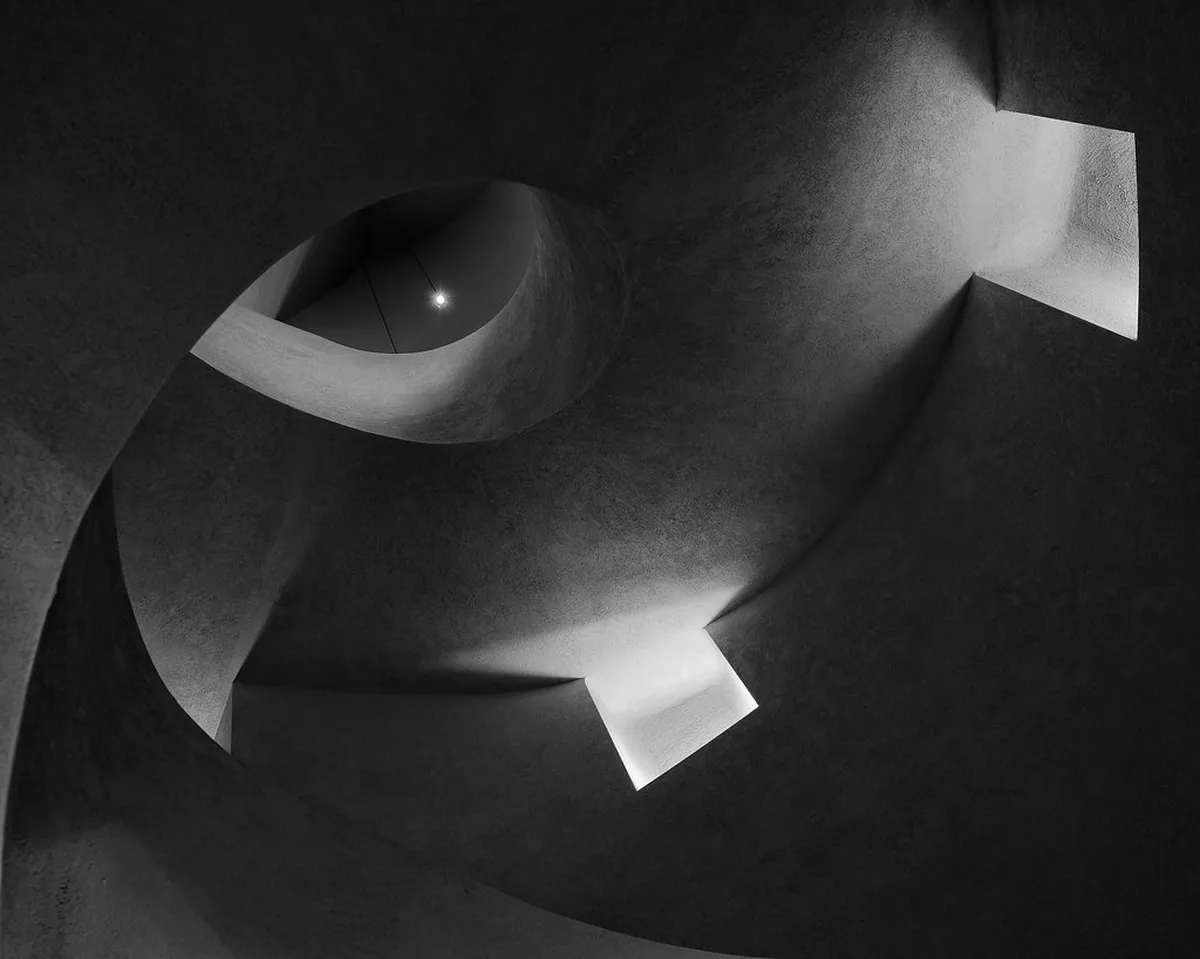
One of the most impressive features of the renovation is the Unterlinden underground gallery design which connects the two buildings. This subterranean passage runs beneath the Sinn canal and provides a seamless transition for visitors moving between the sites. The architects designed this space to feel like a contemplative tunnel that prepares guests for the modern art transition. It is a quiet and focused environment that highlights the physical journey from the past into the present.
The underground gallery is not just a walkway but also serves as a functional space for additional art displays. It features several small niches and alcoves where the museum showcases its extensive collection of 19th-century French paintings. The minimalist concrete walls and low lighting create a sense of mystery and discovery for those walking through it. This clever use of space maximizes the museum's footprint without disrupting the visual integrity of the historic city streets.
Architects Herzog & de Meuron chose to leave the concrete surfaces exposed to emphasize the structural honesty of the passage. This raw materiality provides a neutral backdrop that allows the colors of the historic paintings to truly stand out. The passage is temperature-controlled to ensure the safety and preservation of the delicate artworks housed within its walls. Walking through this corridor feels like traveling through a time capsule that links different eras of European artistic achievement.
Design Tip: Pay close attention to the small window that looks out from the tunnel into the canal water. This unexpected detail allows natural light to filter down and creates beautiful reflections on the concrete floors and walls. It is a subtle reminder of the museum's unique location and the importance of the local water system. Many visitors miss this small opening if they are walking too quickly through the long gallery towards the exit.
The Symbolic Power of the Little House
A small, freestanding structure known as the Little House sits prominently on the newly created square near the canal. This building serves as a symbolic interpretation of the old mill that once stood on this very same spot. It acts as a visual anchor for the public space and marks the main entrance to the underground passage. Its simple geometry and brick construction mirror the design language used in the much larger Ackerhof wing nearby.
The Little House features large glass windows on the ground floor that invite passersby to look into the museum. It serves as a vital connection between the private world of the museum and the public life of Colmar. This transparency helps to demystify the museum experience and encourages curious tourists to explore the treasures found inside. The structure is illuminated at night, acting as a glowing lantern that guides people toward the museum's main entrance.
Inside the Little House, visitors find a staircase and elevator that lead down into the exhibition spaces below the ground. The interior is kept intentionally simple to avoid distracting from the architectural purity of the small and compact building. It demonstrates how a small structure can play a massive role in the overall functionality of a large museum. This building has quickly become one of the most photographed spots for architecture fans visiting the city of Colmar.
The placement of this house helps define the boundaries of the Place de la Sinn, the city's newest square. It provides a sense of scale that bridges the gap between the massive convent and the smaller surrounding houses. By referencing local history, the architects ensured that the new intervention felt grounded in the specific identity of Alsace. It is a perfect example of their ability to combine conceptual depth with practical and functional design solutions.
Urban Integration and the Place de la Sinn
The Herzog & de Meuron project was about much more than just expanding a building for the Unterlinden Museum. It was a comprehensive urban planning project that transformed a neglected area into a vibrant and active public square. The Place de la Sinn now serves as a central gathering point for both local residents and international tourists. Its design incorporates stone paving and benches that encourage people to sit and enjoy the view of the canal.
By reopening the canal, the architects brought the sound and movement of water back into the heart of the city. This water feature helps to cool the air during hot summer months and provides a peaceful atmosphere for visitors. The square serves as a bridge between the medieval old town and the newer parts of Colmar's urban layout. It has successfully shifted the center of gravity for the city's cultural life toward the museum and its surroundings.
The integration of modern architecture in Colmar was initially a controversial topic among some of the local traditionalist residents. However, the sensitive use of materials and the respect for historic proportions eventually won over the skeptical local public. Today, the square is frequently used for outdoor markets, cultural events, and casual strolls by the city's many visitors. It shows how contemporary design can improve the quality of urban life while still honoring a city's long history.
The architects also designed new landscaping elements that include native plants and trees to soften the transition between buildings. These green spaces provide a habitat for local birds and contribute to the overall sustainability of the museum site. The choice of stone for the square matches the materials found in other parts of the historic town center. This attention to detail ensures that the entire project feels like a natural evolution of the city's existing urban landscape.
Visiting the Museum in 2025: Expert Tips
If you plan to visit the museum in 2025, we recommend booking your tickets online at least one week. This will help you avoid the long queues that often form at the entrance during the peak summer months. The museum is located at 1 Rue d'Unterlinden, which is easily accessible by foot from the Colmar train station. Expect to spend at least three to four hours to fully appreciate both the art and the architecture.
The museum shop is located near the main entrance and offers a wide range of books on Alsatian architecture. You can find detailed monographs about the Herzog & de Meuron expansion and the history of the original Dominican convent. The shop also sells high-quality prints of the Isenheim Altarpiece, which remains the museum's most famous and popular exhibit. It is a great place to pick up a unique souvenir that reflects the artistic spirit of the region.
For the best photography opportunities, visit the Place de la Sinn during the golden hour just before the sun sets. The light hits the brick walls of the Ackerhof wing and creates a warm glow that is truly beautiful. You can capture the reflection of the new building in the water of the canal for a classic architecture shot. Don't forget to take a photo of the dramatic staircase inside the new wing before you leave the museum.
There is a small cafe located within the museum courtyard that serves traditional Alsatian pastries and local French coffee. It is the perfect place to take a break and process everything you have seen during your architectural tour. The courtyard offers a quiet escape from the busy streets of the city and allows you to admire the cloister. Many visitors enjoy sitting here to sketch the gothic arches and the modern additions in their travel journals during 2025.
Frequently Asked Questions
Who are the architects behind the Unterlinden Museum extension?
The world-renowned Swiss architectural firm Herzog & de Meuron designed the extension. They are famous for projects like the Tate Modern in London. Their work in Colmar focuses on the harmony between old stone and new brick materials.
What is the most famous artwork in the Unterlinden Museum?
The Isenheim Altarpiece by Matthias Grünewald is the most famous piece in the collection. It is housed in the historic chapel of the Dominican convent. The new extension provides a modern contrast to this 16th-century religious masterpiece.
Is the Herzog & de Meuron extension accessible for wheelchair users?
Yes, the entire museum complex is fully accessible for visitors with limited mobility. Elevators connect all floors of both the historic convent and the new Ackerhof wing. The underground passage is also designed with ramps for easy movement between buildings.
How much did the Unterlinden Museum renovation cost?
The total cost of the renovation and expansion was approximately 44 million Euros. This funding came from both local government sources and private donations. The investment has significantly boosted tourism and cultural interest in the city of Colmar.
The Herzog & de Meuron Colmar extension is a landmark of contemporary design that every architecture lover must visit. It successfully bridges the gap between medieval history and modern needs through thoughtful materiality and urban integration. Plan your trip to Colmar in 2025 to experience this architectural masterpiece firsthand. You will leave with a deeper appreciation for how great design can transform a historic city center forever.
Key Takeaways
- The extension connects a 13th-century convent with the modern Ackerhof building.
- An underground gallery allows visitors to walk beneath a reopened city canal.
- Hand-broken bricks were used to create a texture that honors medieval stone masonry.
- The project revitalized the Place de la Sinn into a vibrant new public square.
Related reads: architecturebycity.com, architecture in colmar, 13th century dominican cloister architecture.