
Colmar Cathedral Gothic Features: A 2025 Guide
Discover stunning Colmar Cathedral gothic features in this 2025 guide. Learn about Saint-Martin Collegiate Church architecture with our expert stylistic analysis.
On this page
Colmar is a beautiful town located in the heart of the French region called Alsace. It holds many amazing treasures for fans of medieval art and history to discover today. The most famous landmark in the city center is the grand Saint-Martin Collegiate Church architecture. Many visitors search for the Colmar Cathedral gothic features during their travels in early 2025.
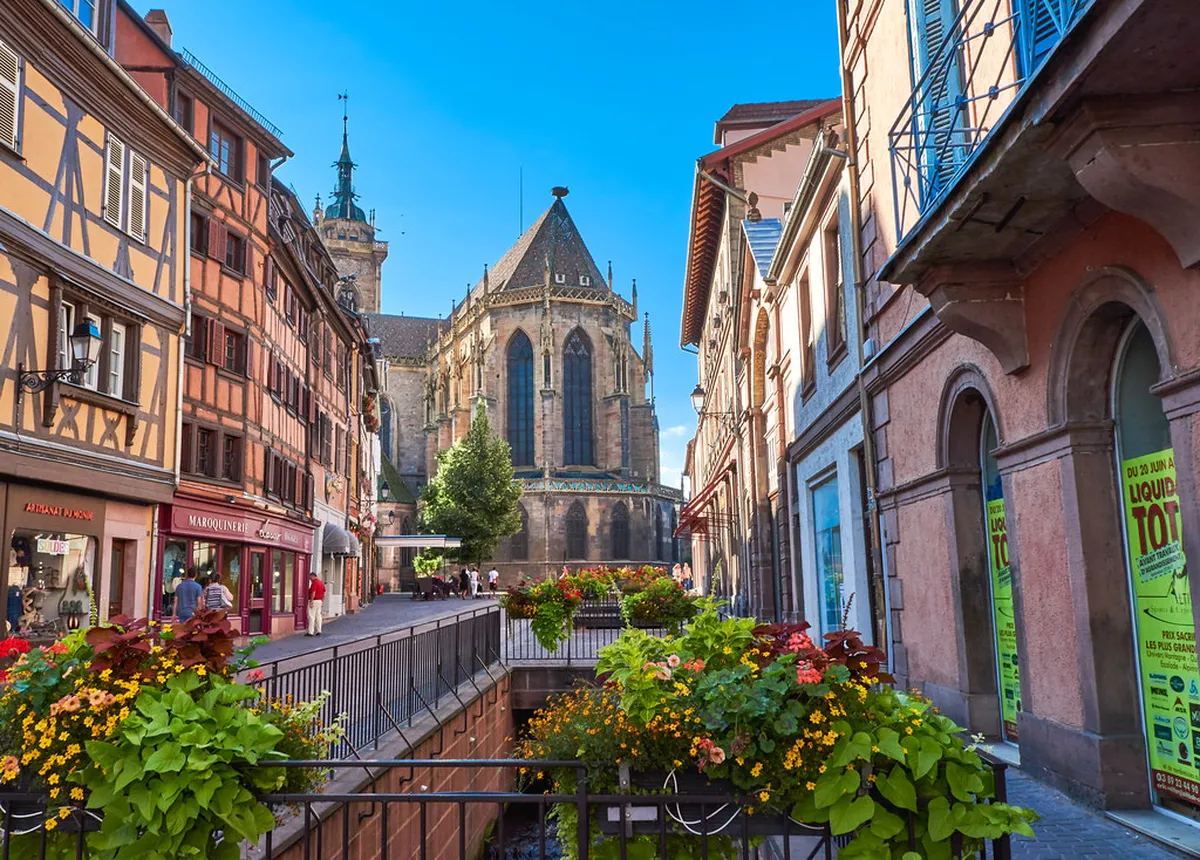
This massive structure stands as a testament to the religious devotion of the middle ages. It serves as a primary example of how architecture in Colmar evolved over centuries. The church dominates the Place de la Cathédrale with its tall spire and yellow walls. You will find incredible details in every corner of this historic holy building.
Origins of Saint-Martin Collegiate Church Architecture
Construction of this religious masterpiece began during the early part of the thirteenth century. Architects designed the building to replace a smaller church that once stood on the site. The work continued for over one hundred years until the completion in 1365. This long construction period allowed different styles of gothic design to merge together perfectly.
The builders chose local yellow sandstone from the nearby Vosges mountains for the exterior walls. This specific material gives the entire church a unique and warm golden glow in sunlight. It contrasts beautifully against the colorful half-timbered houses found throughout the rest of the city. Most visitors find the warm color of the stone very welcoming during their tour.
The foundations reflect the typical cruciform plan used in many large European cathedrals of that era. You can see how the nave and the transept create a massive cross shape from above. The structural layout provides a sense of balance and divine order to the whole project. Early gothic builders focused on creating heights that could reach toward the heavens above.
Despite several fires over the centuries, the core structure remains remarkably intact for modern visitors. Restoration teams work hard to maintain the integrity of the original thirteenth-century masonry and designs. You will notice that the stone remains in good condition despite the harsh local weather. This durability is a hallmark of the skilled stonemasons who worked on the site.
Examining Distinctive Colmar Cathedral Gothic Features
The exterior of the church offers some of the most impressive Colmar Cathedral gothic features available. You should look closely at the south portal to see the famous Saint Nicholas carvings. These detailed stone sculptures tell religious stories to the faithful who enter through the massive doors. The artistry shown in these figures represents the peak of medieval craftsmanship in France.
High above the ground, the flying buttresses support the weight of the tall stone vaulted ceilings. These structural elements allow for thinner walls and much larger windows in the main nave. They create a rhythmic pattern along the sides of the building that draws the eye. These buttresses are essential for maintaining the height of the church without using solid walls.
- Detailed carvings on the Saint Nicholas portal show various religious scenes.
- Tall lancet windows allow natural light to flood into the internal sanctuary.
- Pointed arches define the doorways and the windows of the entire structure.
- Gargoyles serve as decorative water spouts to protect the stone from rain.
The main spire reached its current height after a major fire in the sixteenth century. It features a unique lantern crown that looks different from other cathedrals in the local region. This specific design choice reflects the transition from gothic styles to early renaissance aesthetic ideas. It remains the tallest point in the old town skyline for all to see.
Visitors often spend hours admiring the intricate details of the exterior stone decorations and statues. Every small carving has a specific symbolic meaning related to the history of the Christian faith. The level of detail achieved by hand over seven hundred years ago is truly breathtaking. Make sure to bring a camera with a good zoom lens for these details.
Interior Design Elements and Structural Engineering
Walking into the nave provides an immediate sense of the massive scale of the building. The high ceilings use ribbed vaulting to distribute the weight of the heavy stone roof safely. This engineering feat allows the interior space to feel open, airy, and very grand indeed. You can feel the quiet power of the architecture as you move through the space.
The choir area is particularly beautiful with its long rows of wooden stalls for the clergy. These stalls feature delicate wood carvings that date back many hundreds of years into the past. Light filters through the ancient stained glass windows to create colorful patterns on the stone floor. This atmosphere creates a peaceful environment for reflection and for quiet prayer for everyone.
One of the most famous pieces of art inside is the Isenheim Altarpiece sculpture. This religious work attracts thousands of art lovers to the city every single month of the year. The placement of the art enhances the architectural beauty of the surrounding stone pillars and arches. You should take time to study the expressions on the faces of the statues.
The pillars supporting the roof are clusters of smaller columns that create a vertical visual flow. This design trick makes the ceiling appear even higher than it actually is for the viewer. It is a common technique used in high gothic churches across the country of France. The consistency of the design creates a harmonious feeling throughout the entire long nave.
Colorful Tile Patterns and Regional Roof Styles
One of the most striking visual elements is the colorful pattern found on the roof tiles. These geometric designs are a signature feature of many historic buildings in the Alsace region today. The green, yellow, and red tiles create a vibrant display against the golden sandstone walls. This style of roofing is both decorative and very functional for shedding heavy winter snow.
The Saint-Martin roof tile patterns are famous for their precision and their bright, lasting colors. Artisans used glazed ceramics to ensure the colors stayed bright for many decades of local use. You can see similar patterns on other important buildings located throughout the historic city center. This shared style helps to unify the architectural character of the entire old town.
The steep pitch of the roof is another practical response to the local climate of Alsace. It prevents the buildup of heavy ice that could damage the structural integrity of the church. This blend of beauty and utility is a key part of the local building tradition. Architects in 2025 still study these methods to understand historic preservation and roof design.
From the surrounding streets, the roof appears like a giant tapestry stretched over the stone body. It adds a splash of color to the skyline that is unique to this part of Europe. Many photographers visit the city just to capture the light hitting these beautiful glazed tiles. The roof remains one of the most photographed parts of the whole collegiate church.
The Artistic Influence of the South Portal
The south portal is widely considered a masterpiece of gothic sculpture in the French artistic world. It features a wide array of figures including saints, angels, and various biblical characters today. Each statue was carved with incredible care to show emotion and realistic physical details for viewers. This portal served as a visual bible for people who could not read in the past.
The central figure of Saint Nicholas is particularly important to the local history of the Colmar region. He is the patron saint of children and travelers who visited the church for protection. The carvings around him show his famous miracles in a series of small stone panels. You can see the skill of the artists in the folds of the clothing.
The tympanum above the door shows the scene of the last judgment with great dramatic flair. It was designed to remind visitors of their spiritual duties as they entered the holy space. The composition of the figures creates a sense of movement and energy in the hard stone. This dramatic style is typical of the later gothic periods in northern European art.
Preservationists use modern technology to clean the delicate carvings without damaging the soft yellow sandstone underneath. This careful work ensures that future generations can enjoy the beauty of the medieval craftsmanship. You can see the difference between the cleaned sections and the older weathered parts. The detail remains sharp even after many centuries of exposure to the elements.
Planning Your Architectural Visit to the Church
Visiting the church is free for the public during the standard opening hours of the day. You should check the local schedule as the church closes for religious services on Sundays. The best time to see the golden glow of the stone is in the morning. Early light highlights the textures of the carvings on the exterior of the building.
The church is located in the middle of a pedestrian zone which makes walking very easy. You can find many small cafes nearby where you can sit and admire the spire. Most people spend about one hour exploring both the interior and the exterior of the site. It is a perfect stop on any historical tour of the city center.
Be sure to wear comfortable shoes because the old cobblestone streets can be quite uneven to walk. You might want to hire a local guide for a more detailed history of the building. They can point out small details that most tourists often miss during a quick walk through. The historical context makes the architectural features much more interesting to study.
After visiting the church, you can explore the nearby museums to see more religious art from Colmar. The town is very compact so you can see many sites in a single afternoon. It is one of the best places in France to experience the feeling of the middle ages. Your trip will be full of amazing sights and deep historical architectural knowledge.
Frequently Asked Questions
What is the best time to see the Colmar Cathedral gothic features?
The best time to visit is during the morning hours when the sun hits the sandstone. This creates a beautiful golden glow that highlights the stone carvings on the exterior walls. You will also find fewer crowds if you arrive before the large tour groups start.
How long did it take to build the Saint-Martin Collegiate Church?
Construction of the church began in 1235 and was largely completed by 1365 in the gothic style. This means the building took approximately 130 years to reach its final medieval form for the city. Minor additions and repairs have occurred throughout the following centuries after the main work.
Is there a cost to enter the Saint-Martin Collegiate Church in Colmar?
Entrance to the church is currently free for all visitors who wish to see the historic interior. You should remain quiet as it is still an active place of worship for the local community. Donating a few euros helps with the ongoing maintenance of this ancient architectural landmark.
The Saint-Martin Collegiate Church is a true jewel of medieval architecture in the beautiful city of Colmar. From the golden sandstone walls to the colorful roof tiles, it offers a unique visual experience for everyone. Exploring the various Colmar Cathedral gothic features provides a deep look into the history of French religious art. You should consider booking a Colmar architecture walking tour to learn more about this site. This building will surely be the highlight of your visit to the Alsace region in 2025.
Key Takeaways
- The church is built from local yellow sandstone that glows in the morning sunlight.
- The south portal features world-class gothic carvings of Saint Nicholas and religious scenes.
- Colorful glazed roof tiles are a signature regional feature of the Saint-Martin architecture.
- The interior nave showcases impressive high gothic rib vaulting and ancient stained glass.
- Visiting early in the day helps you avoid crowds and see the stone details clearly.
Related reads: architecturebycity.com, saint martin collegiate church architecture, isenheim altarpiece chapel architecture.