
Ajaccio Old Town Urban Planning: A Historic Study
Explore Ajaccio Old Town urban planning in 2025. Learn about its Genoese roots and Napoleonic layout in this expert travel guide. Start your study today!
On this page
Ajaccio Old Town urban planning reflects a fascinating history. It combines Genoese defensive logic with French imperial style. Designers built the city to protect residents from invaders. They also wanted to promote trade across the Mediterranean Sea. The layout remains visible in the narrow streets today. Walking through the center feels like traveling back in time. You will see how the city grew over five centuries. This study explores the unique structural design of the area. It highlights the genius of early Corsican urban designers. We will look at how the streets changed in 2025.
Genoese Foundations and Defensive Grids
The foundation of the city began in the late 1400s. Genoese engineers chose a site with excellent natural defenses. They utilized a strict grid system for the initial settlement. This layout allowed for rapid military responses during attacks. The primary streets ran parallel to the protective sea walls. It was a masterpiece of 15th-century military urbanism. You can still see these medieval street patterns of Ajaccio today. Most streets are less than four meters wide. This width helped to keep the ground cool and shaded. Shaded paths were vital during the hot summer months. The stone buildings acted as a thermal mass for heat. Modern visitors often admire the clever use of space. Small squares provided air circulation within the dense blocks. They also served as communal meeting points for local families.
Construction materials were sourced from nearby granite quarries. The buildings feature thick walls to ensure structural stability. Builders used lime mortar to bind the heavy stones together. These methods helped the structures survive for many centuries. Many homes still stand tall in the historic center today. They represent the lasting legacy of Genoese craftsmanship. Public water fountains were also integrated into the city grid. Access to fresh water was essential for urban survival. You can find these fountains at major street junctions. They continue to be functional landmarks in the year 2025.
Defensive walls once surrounded the entire urban core. These fortifications limited the physical expansion of the town. Residents had to build upward to accommodate more people. This led to the creation of five-story tenement buildings. Narrow staircases and shared balconies became common architectural features. Urban planning was a balance between safety and density. You can visit the Citadel for just seven Euros today. It offers a clear view of the old perimeter walls. The site opens daily from 10:00 AM until 6:00 PM. It provides a great perspective on early urban growth.
Ajaccio Old Town Urban Planning in the Napoleonic Era
The 19th century brought radical changes to the city. Napoleon Bonaparte wanted to modernize his home town significantly. He ordered the demolition of several old defensive walls. This allowed the city to breathe and expand outward. Designers created wide boulevards to replace narrow dark alleys. These new roads improved the flow of air and light. They also facilitated the movement of modern horse-drawn carriages. The urban plan shifted from defensive to ceremonial focus. Many Napoleonic landmarks in Ajaccio date from this creative period. Place Foch became the new heart of the town. It served as a grand entrance for visiting officials. Architects used Neoclassical styles for all the new buildings.
Symmetry and proportion became the leading design principles. Grand facades were built to impress every passing visitor. Large windows allowed more light into the living spaces. This was a major departure from medieval building styles. Private gardens were also added to many new homes. These green spaces improved the local microclimate significantly. Urban planning started to prioritize the health of citizens. New sewage systems were installed beneath the wider streets. This modernization reduced the risk of waterborne diseases. The city became a model for other Corsican towns. You can see this influence in Bastia and Bonifacio.
Public monuments were placed at key urban nodes. Statues of Napoleon serve as focal points for plazas. These landmarks help people navigate the changing city layout. They also create a sense of national pride and identity. The cost of maintaining these statues is quite high. Local authorities spend thousands of Euros on restoration annually. Visitors can enjoy these sites for free every day. The best time for photos is early in the morning. The soft light highlights the beautiful stone carvings perfectly. You will appreciate the grand scale of the planning.
Preservation of Corsican Architectural Heritage
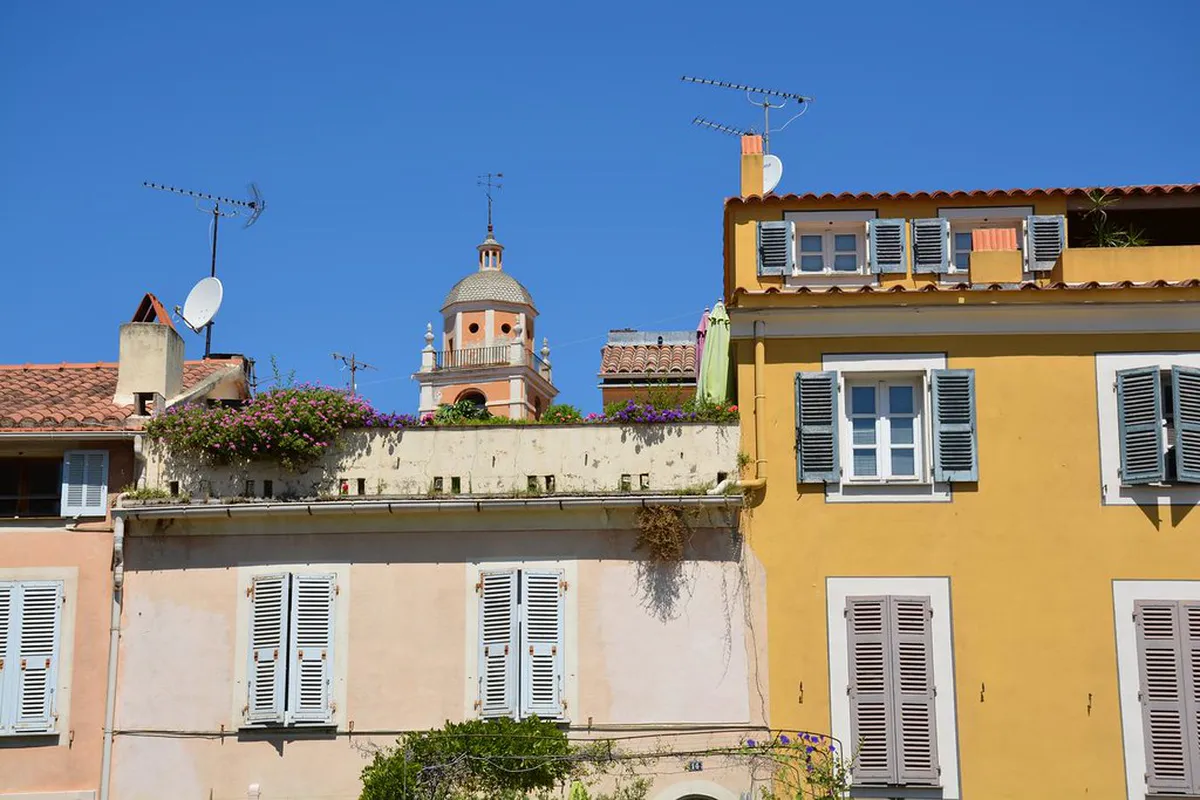
Preserving the historic character of the town is vital. Local laws prevent the destruction of old stone buildings. Owners must use specific colors for their external walls. Ochre and terracotta are the most popular choices today. These colors reflect the traditional aesthetic of the region. The city also protects the historic window shutters of Corsica specifically. These wooden shutters are essential for regulating indoor temperatures. They are painted in shades of green or grey. Maintaining these features requires specialized carpentry skills. Many local craftsmen still use traditional hand tools today. This dedication keeps the heritage alive for future generations.
Modern urban planning must integrate with these historic rules. New developments must not overshadow the old town center. Height restrictions are strictly enforced by the planning office. This ensures the cathedral remains the tallest local structure. The view of the bay stays clear for everyone. Residents value their visual connection to the sea highly. Urban planners work hard to balance growth and history. In 2025, new paving projects use traditional granite sets. This matches the original 17th-century street surfaces perfectly. It creates a seamless look throughout the historic district. Walking tours are a great way to see this.
The cost of renovation is often supported by grants. The government encourages the use of ecological building materials. Many old warehouses are now trendy apartments or cafes. This repurposing prevents the decay of the urban fabric. It also brings new life to the quietest alleys. Local markets thrive in these restored public spaces. You can buy fresh produce every Tuesday and Friday. The market opens at 8:00 AM in Place Campinchi. Prices are reasonable for high-quality local Corsican goods. A small bag of chestnuts costs about five Euros. It is a wonderful way to support the community.
Modern Public Squares and Social Spaces
Public squares are the lungs of the urban environment. They provide space for social interaction and public events. Place de Gaulle is the largest square in Ajaccio. It connects the old town with the newer districts. Planners designed it to host large military parades originally. Today, it is a favorite spot for local skaters. Children play while parents sit at nearby outdoor cafes. The square features a large underground parking facility now. This helps to keep cars out of narrow streets. It makes the historic center much more pedestrian-friendly. Improving walkability is a top priority for the city. You can learn more about architecture in Ajaccio near the square.
Greenery has been added to many urban spaces recently. Trees provide much-needed shade during the summer months. They also help to filter the city air naturally. Small parks offer a quiet escape from busy streets. Planners use native Mediterranean plants for these gardens. These species require very little water to stay healthy. This sustainable approach saves the city money on maintenance. It also supports local biodiversity within the urban core. Birds and butterflies are common sights in these parks. You can find benches in most of these areas. They are perfect for resting during a long walk. Most parks stay open until dusk every evening.
Accessibility is another key focus for modern urban planners. Ramps have been added to many historic public buildings. Tactile paving helps visually impaired residents navigate the town. These small changes make the city inclusive for everyone. Urban planning is no longer just about tall buildings. it is about the people who live there. Designers want to create a high quality of life. They conduct public surveys to gather local resident feedback. This ensures that new projects meet the community's needs. The city feels more vibrant than ever in 2025. It is a true success story of urban design.
Integration of Coastal Defense and Harbors
The relationship between the land and sea is crucial. Ajaccio was built as a maritime stronghold for Genoa. The harbor layout was designed to protect trade ships. Stone piers were built to break the strong waves. Today, the port accommodates large modern cruise ships easily. This brings thousands of visitors to the old town. Planners had to manage the flow of these crowds. They created wide pedestrian paths leading from the docks. This prevents congestion in the narrowest historic streets. Signage in multiple languages helps tourists find their way. You can book an Ajaccio architecture walking tour at the port. These tours usually cost around twenty Euros per person.
The waterfront promenade is a major urban planning achievement. It stretches for several kilometers along the scenic coast. It provides a safe space for walking and cycling. The path connects the old town to the beaches. Lighting was improved to enhance safety during the night. Residents enjoy evening walks along the Mediterranean shore here. The promenade also features several public art installations now. These pieces reflect the maritime history of the city. They add a modern touch to the ancient coastline. Many people gather here to watch the beautiful sunset. It is one of the best things to do.
Coastal erosion is a challenge for modern urban planners. They use natural stone barriers to protect the foundations. Regular inspections of the sea walls are mandatory now. This prevents damage to the historic buildings nearby. The city invests heavily in coastal engineering projects annually. These efforts ensure the old town remains safe forever. Urban planning must adapt to the changing climate conditions. Rising sea levels are a concern for the future. Engineers are currently developing new flood prevention strategies. They want to preserve the town for many centuries. Their work is vital for the city's long-term survival. You can see their progress along the docks.
Frequently Asked Questions
What is the best way to see the Old Town?
Walking is the best way to explore the area. The streets are very narrow and mostly for pedestrians. You can join a guided tour for fifteen Euros. Most tours start at the tourism office at 10:00 AM. Wear comfortable shoes for the uneven stone paths.
Are there any fees to enter the historic district?
The historic district is free to enter for everyone. You can walk the streets at any time of day. Some specific museums like Palais Fesch require a ticket. These tickets usually cost around eight Euros for adults. Children often get in for a reduced price.
Is Ajaccio Old Town accessible for wheelchairs?
The main squares are quite accessible for wheelchair users. However, many side streets have steep steps and slopes. The city is currently adding more ramps to help. It is best to stick to the waterfront promenade. The promenade is flat and very easy to navigate.
What is the most famous building in the town?
The Ajaccio Cathedral is the most famous historic building. It features a beautiful orange facade and Baroque style. This is where Napoleon Bonaparte was baptized in 1771. Entry is free, but please remain quiet during services. It is a key part of the town.
Ajaccio Old Town urban planning is a study in resilience. The city has adapted to many different political eras. It remains a beautiful and functional place to live. The blend of history and modernism is truly unique. You should visit in 2025 to see these changes. Please respect the local heritage during your wonderful visit. Support the local shops and craftsmen in the alleys. They keep the spirit of the old town alive. Plan your trip to this historic Corsican gem today. You will not regret exploring these ancient streets. It is a journey through architectural time and beauty.
Key Takeaways
- The 15th-century Genoese grid was built for defense.
- Napoleon expanded the city with wide Neoclassical boulevards.
- Strict preservation laws protect the historic ochre facades.
Related reads: architecturebycity.com, ajaccio genoese architecture.