
Ajaccio Architecture Walking Tour: A 2025 Guide
Explore the best Ajaccio architecture walking tour for 2025. Discover Napoleonic sites and Genoese gems with this expert travel guide today. Plan your trip now!
On this page
Ajaccio is the capital of Corsica and home to many stunning historic buildings and narrow streets. This Ajaccio architecture walking tour will guide you through centuries of unique Mediterranean history and style. You will see a fascinating mix of Genoese military design and French imperial grandeur during 2025.
The city serves as a living museum dedicated to its most famous son, Napoleon Bonaparte. Every corner reveals stories of power, family, and survival within this coastal fortress town today. Visitors can enjoy the warm sea breeze while they admire the various neoclassical facades and churches.
The Citadel and Genoese Legacy
The Citadel stands as a powerful symbol of the long Genoese occupation of this coastal city. It was originally built in 1492 to defend the bay from potential pirate attacks and invaders. You can still admire the massive stone walls from the harbor while you walk along the shore. These defensive structures provide a great starting point for your Ajaccio architecture walking tour today.
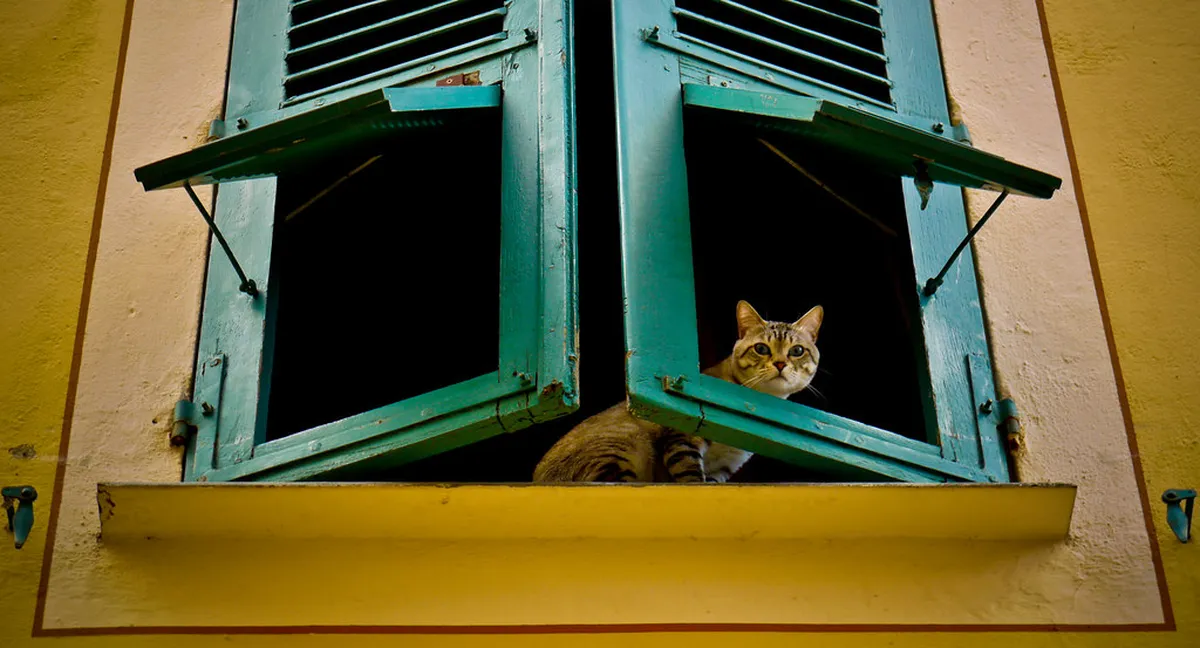
Walking through the old town reveals many secrets about Ajaccio old town urban planning and defensive design. The streets were designed to be narrow to provide shade during the hot summer months. You will notice that many of the houses are tall and painted in soft pastel colors. This creates a beautiful contrast against the bright blue water of the Mediterranean Sea nearby.
Many buildings in this area still retain their original stone door frames and small wooden windows. Residents have carefully preserved these features to maintain the historic character of the oldest district here. You should look for the small plaques that explain the history of specific family homes. These details offer a glimpse into the daily lives of the early Genoese settlers in Corsica.
The Citadel itself is still used by the military and cannot be fully explored inside today. However, you can walk around its base to see the impressive height of the granite walls. The structural design highlights the strategic importance of this location during the sixteenth and seventeenth centuries. It remains one of the most photographed landmarks for visitors exploring the city on foot.
The Imperial Heart: Place Foch and Napoleon
Napoleon Bonaparte remains the most famous historical figure born within the walls of this beautiful city. His influence on the local urban layout became very clear during the nineteenth-century expansion of Ajaccio. You can visit his ancestral home which now functions as a dedicated museum for curious travelers. This site is one of many Napoleonic landmarks in Ajaccio that you will encounter.
Place Foch is the center of social life and features a grand statue of the Emperor. The square is lined with tall palm trees and elegant cafes that offer a perfect resting spot. You will see several neoclassical buildings that surround the plaza with their symmetrical windows and arches. These structures were built to project an image of power and stability during the Second Empire.
- Statue of Napoleon: Located in the center of Place Foch.
- Hôtel de Ville: The city hall houses the Napoleonic Museum.
- Maison Bonaparte: The birth house of the Emperor.
The streets radiating from this square follow a strict grid pattern common in French urban design. This layout makes navigation very easy for tourists who are visiting the city for the first time. You can walk from the harbor to the main plaza in less than five minutes. The scale of the architecture feels grand yet very accessible for those walking on foot.
Neoclassical Splendor of the Palais Fesch
Cardinal Fesch was the uncle of Napoleon and a great collector of fine Italian art and sculpture. He commissioned the construction of this massive palace to house his extensive collection for the local public. The building is a prime example of neoclassical architecture with its clean lines and grand stone entrance. It stands as one of the most important cultural institutions in all of Corsica today.
The courtyard offers a peaceful retreat where visitors can study the Palais Fesch architecture and design closely. Large granite columns support the upper galleries which overlook the central open space of the museum. The symmetry of the building reflects the orderly aesthetic values of the mid-nineteenth century in France. You will find the Imperial Chapel located on the southern wing of this large complex.
Inside the museum, the rooms are spacious and filled with natural light from the high windows. The architectural layout allows for a logical flow through the various art galleries and historic exhibits. Entry costs approximately 8 Euros per person and the museum is open most days during 2025. It is best to visit in the morning to avoid the largest tour group crowds.
The Religious Beauty of Ajaccio Cathedral
The Cathedral of Notre-Dame-de-l'Assomption is a masterpiece of late sixteenth-century religious architecture in the city. It was completed in 1593 and features a striking ochre-colored facade that glows during the sunset. The building was designed in the Venetian style which was popular among the Genoese rulers at that time. It sits near the water and serves as a spiritual anchor for the local fishing community.
Step inside to see the marble altars and the ornate decorations that fill the quiet interior space. The floor plan follows a traditional Latin cross which is common in many Catholic churches across Europe. You can learn more about the Ajaccio Cathedral architectural style by looking at the side chapels. Each chapel was funded by a different local noble family over the last few centuries.
This site is historically significant because Napoleon Bonaparte was baptized here in July of the year 1771. The marble baptismal font is still located near the entrance for modern visitors to view and enjoy. You should respect the silence of the building as it remains an active place of daily worship. Admission is free, but donations for the upkeep of the historic structure are always welcome.
The Quartier des Étrangers and Belle Époque
The late nineteenth century brought a wave of wealthy tourists from Britain and Northern Europe to Corsica. These visitors required high-end accommodation which led to the development of the famous Quartier des Étrangers. This district showcases a very different style of architecture compared to the older parts of the city. You will see ornate balconies, decorative plasterwork, and large gardens surrounding the many villas here.
The Quartier des Étrangers architectural history is linked to the rise of winter tourism in the Mediterranean. Grand hotels like the Continental were built to provide luxury and comfort to the visiting European elite. The facades often feature floral motifs and ironwork that were very popular during the Belle Époque period. These buildings give the neighborhood a distinct and sophisticated atmosphere that feels very different from downtown.
You can also find the Anglican Church in this neighborhood which served the growing British community. Its stone architecture and stained glass windows provide a unique contrast to the local Corsican Catholic churches. Walking through these leafy streets offers a relaxing break from the busy harbor and the main tourist areas. Many of these former hotels have now been converted into private apartments or government offices.
Modern Architecture and Coastal Views
As you walk further along the coast, you will encounter more modern examples of Corsican urban planning. The city expanded significantly after the 1950s to accommodate the growing population and the booming tourism industry. You will see mid-century apartment blocks that emphasize functionality and views of the beautiful blue sea. These buildings often feature large balconies to take advantage of the sunny Mediterranean climate throughout the year.
Modernist designs in Ajaccio often incorporate local materials like granite and limestone into their contemporary facades. You can see how architects have tried to balance modern needs with the historic character of the town. The waterfront promenade is a perfect place to observe these transitions in style while you walk. It connects the historic core with the newer residential districts that stretch along the scenic coast.
The blend of old and new makes this Ajaccio architecture walking tour a very diverse experience for travelers. You can see five hundred years of history by simply walking for two hours through the city. Make sure to bring comfortable shoes and plenty of water for your journey in the warm sun. The path is mostly flat and easy to follow for visitors of all fitness levels.
Frequently Asked Questions
How long does an Ajaccio architecture walking tour take?
Most visitors spend between two and three hours completing a full tour of the historic center. This allows enough time to stop for photos and visit a few museum interiors. The total walking distance is approximately three kilometers on mostly flat terrain today.
Are the Napoleonic sites in Ajaccio open to the public?
Yes, many major Napoleonic sites are open as museums or public squares for visitors to enjoy. The Maison Bonaparte and the Palais Fesch require a small entry fee for all guests in 2025. Public monuments and statues in the plazas can be viewed for free at any time.
What is the best time of day for an architecture walk?
The morning is the best time for walking to avoid the intense afternoon heat in Corsica. You will find the light is perfect for photography between eight and ten in the morning. Many shops and museums also open during these hours for your convenience.
Is Ajaccio easy to navigate on foot for tourists?
The historic center of the city is very compact and easy to navigate without a car. Most major architectural landmarks are located within a short walking distance of the main harbor area. You can find maps at the local tourist office near the ferry terminal.
Ajaccio offers a rich tapestry of architectural styles ranging from ancient fortresses to elegant imperial palaces. This walking tour provides the best way to experience the unique history of the Corsican capital in 2025. We hope you enjoy exploring these historic gems during your next visit to this beautiful island.
Key Takeaways
- Start your tour at the Genoese Citadel for the best historic context.
- Visit the Maison Bonaparte to see the roots of the French imperial style.
- Explore the Quartier des Étrangers for stunning Belle Époque villa designs.
- Wear comfortable shoes as the old town streets are often cobbled stone.
- Allow at least three hours to fully appreciate the various architectural details.
Related reads: architecturebycity.com.