
Palais Fesch Architecture and Design Guide
Discover the Palais Fesch architecture and design in Ajaccio. Explore this historic French museum and plan your 2025 visit to see its grand Italian style.
On this page
The Palais Fesch stands as a crown jewel in the heart of Ajaccio, France. This museum highlights the unique Palais Fesch architecture and design for every traveler. It houses one of the finest collections of Italian paintings in all of Europe. Plan your 2025 visit to see this stunning historic landmark during your stay.
Cardinal Joseph Fesch founded this building to display his vast personal art collection. The structure combines elegance with a massive scale that dominates the local urban landscape. You will find it located near the harbor in the vibrant city of Ajaccio. It remains a top priority for anyone interested in classic European art history.
Origins and Cardinal Fesch’s Vision
The museum reflects the grand vision of its namesake, Cardinal Joseph Fesch. Construction began in the early nineteenth century to house a massive art collection. Architects designed the building to resemble a majestic Italian palace or villa style. This legacy is visible in the cardinal Fesch architectural legacy today.
Joseph Fesch was the uncle of Napoleon Bonaparte and a powerful church leader. He wanted to create a center for culture and education on his home island. The building serves as a permanent monument to his family and their great influence. It took several decades to complete the entire structure as we see it.
The initial design came from the talented French architect named Jean-Baptiste Sylvestre. He worked closely with several local builders to realize this ambitious and large project. The foundation was laid during a period of significant growth for the city of Ajaccio. This museum helped transform the neighborhood into a center for high culture and arts.
Today, the building stands as a testament to the power of the Bonaparte family. It remains the most important cultural site on the island of Corsica for tourists. Many visitors come specifically to admire the massive scale of this historical institution. It continues to inspire architects with its clean lines and very balanced proportions.
Distinctive Palais Fesch Architecture and Design
The exterior of the museum showcases a very strict and formal Neoclassical style. It features a long facade with many rows of windows that look very symmetrical. This specific Palais Fesch architecture and design creates a sense of order and great stability. The light-colored stone glows beautifully under the warm sun of the Mediterranean Sea.
The main entrance leads visitors into a large and very impressive central courtyard space. This courtyard follows the traditional Italian layout used in many grand Roman palaces. You can explore the Fesch museum courtyard and sculptures during your tour of the grounds. The open space allows light to reach the many galleries inside the building.
Stone columns and high arches define the ground level of the museum's interior spaces. These features provide strong support for the heavy art collections stored on the upper levels. The design emphasizes height and grandiosity to match the importance of the precious artwork. It feels both solid and airy at the same time for the guests.
The roofline is simple and lacks the heavy ornamentation found in later Baroque styles. This simplicity is a hallmark of the neoclassical buildings in Ajaccio built during this era. It creates a timeless look that still appears modern and very clean today. Architects often study these proportions to understand the beauty of balanced classical forms.
Structural Materials and Courtyard Layout
Builders used local Corsican granite and limestone to construct the museum's massive external walls. These materials were chosen for their durability and their availability near the construction site. The stone gives the building a very solid and permanent feel for all visitors. It has survived centuries of coastal weather while maintaining its original and grand appearance.
The U-shaped layout of the building surrounds the central courtyard on three main sides. This design choice was popular in French and Italian urban planning during the 1800s. It provides a private space for reflection away from the busy streets of Ajaccio. The fourth side remains open to allow for easy access and better light.
Iron and wood were used for the interior flooring and the support beams throughout. These materials allow for large, open gallery spaces without the need for many small walls. You can appreciate this engineering when walking through the architecture in Ajaccio city center. The museum represents a peak of structural design for its specific time period.
The courtyard often hosts modern sculptures that contrast with the very old stone walls. This mix of old and new makes the space feel alive and relevant today. Visitors often spend time here to enjoy the quiet atmosphere before entering the galleries. It is a perfect place to photograph the building from a unique perspective.
The Imperial Chapel and Religious Design
The Imperial Chapel is a vital part of the museum's overall architectural complex. It was built to serve as the final resting place for the Bonaparte family. The chapel features a dome that adds a vertical element to the museum's silhouette. Its design is more ornate than the main museum building located right next door.
Inside the chapel, you will see beautiful marble altars and very detailed religious carvings. The use of light from the dome creates a peaceful and spiritual atmosphere. It is one of the most significant Napoleonic landmarks in Ajaccio for history fans. The architectural style perfectly blends religious devotion with imperial power and family pride.
The crypt below the chapel contains the tombs of many famous members of the family. Architects designed this space to be both somber and very respectful for all guests. The materials used here are of the highest quality, including fine imported Italian marbles. It remains a site of great historical importance for the nation of France.
Visitors must buy a separate ticket or a combined pass to enter the chapel. The chapel's exterior walls match the museum to create a unified and cohesive look. This careful planning ensures the entire complex feels like one single and grand monument. It is a masterpiece of nineteenth-century religious and funerary architecture in Corsica.
Modern Gallery Features and Museum Access
Recent renovations have added modern climate control and lighting systems to the museum. These updates are essential for protecting the delicate oil paintings from the humid air. The new lighting highlights the brushwork of the masters without causing any heat damage. You can now view the art in the best possible conditions for 2025.
The museum includes an elevator and ramps to provide access for all types of visitors. Modern glass partitions have been added to some areas to improve the flow of traffic. These additions are subtle and do not distract from the original historic design elements. It is a great example of how to modernize a very old building.
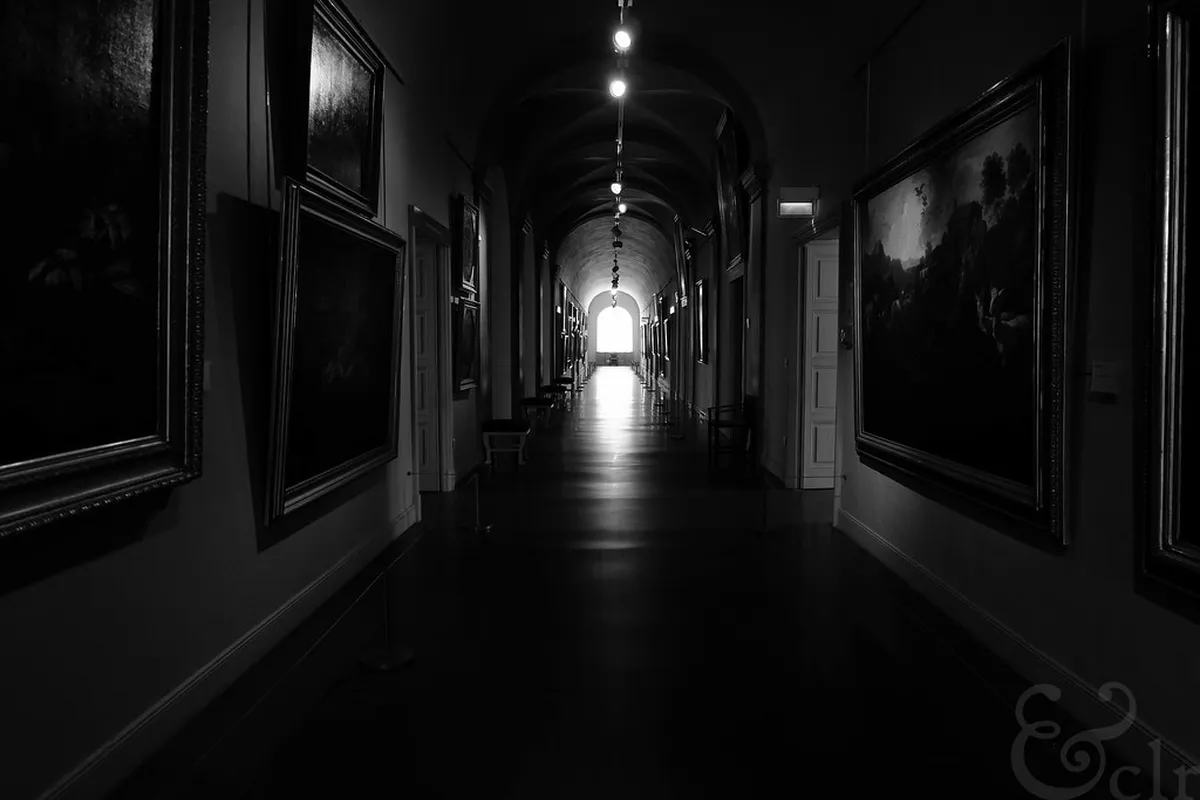
The gallery rooms are organized by time period and specific schools of Italian art. High ceilings and white walls allow the colorful paintings to stand out very clearly. This minimalist interior design helps focus the visitor's attention on the actual museum collection. It creates a calm environment that is perfect for studying fine art details.
Admission costs for the museum generally range from eight to ten Euros for adults. The museum is typically open from ten in the morning until six in the evening. Check the official website for seasonal changes before you begin your walk to the site. It is easily reachable from the main shopping streets in the old town.
Frequently Asked Questions
What is the architectural style of Palais Fesch?
The Palais Fesch is primarily built in the Neoclassical style. This style uses symmetry, stone columns, and simple lines. It was designed to look like a grand Italian palace from the Renaissance era. The building feels very formal and solid to all who visit it.
Who was the architect of the Palais Fesch museum?
Jean-Baptiste Sylvestre was the original architect who designed this impressive building. He worked under the direction of Cardinal Joseph Fesch to realize the vision. Later architects helped finish the construction over several different decades. They maintained the original style to keep the building looking unified.
Why is the Imperial Chapel part of the museum design?
The Imperial Chapel was built to house the tombs of the Bonaparte family members. It was designed to complement the museum and complete the architectural complex. The chapel adds a religious and vertical element to the overall site design. It remains a key part of the historic tour today.
What materials were used to build Palais Fesch?
The main materials include local granite and limestone for the thick external walls. Builders also used marble for the interior decorations and the Imperial Chapel. Wood and iron provide the structural support for the wide gallery floors inside. These materials have helped the building last for over two centuries.
Palais Fesch is a masterpiece of architecture that reflects the history of Ajaccio. Its grand Neoclassical design and rich art collection make it a world-class destination. Plan your trip in 2025 to experience this beautiful museum for yourself. You will leave with a deep appreciation for French and Italian artistic heritage.
Key Takeaways
- The museum features a strict Neoclassical style with an Italian-inspired central courtyard.
- Cardinal Joseph Fesch founded the building to house his massive Italian art collection.
- The Imperial Chapel serves as a family tomb and an architectural highlight of the site.
- Recent renovations have modernized the galleries while preserving the historic 19th-century structure.
Related reads: architecturebycity.com.