
Genoese Towers of the Balagne Coast Guide
Explore the historic Genoese towers of the Balagne coast in 2025. Discover Corsican history, unique architecture, and scenic hiking trails near Calvi today!
On this page
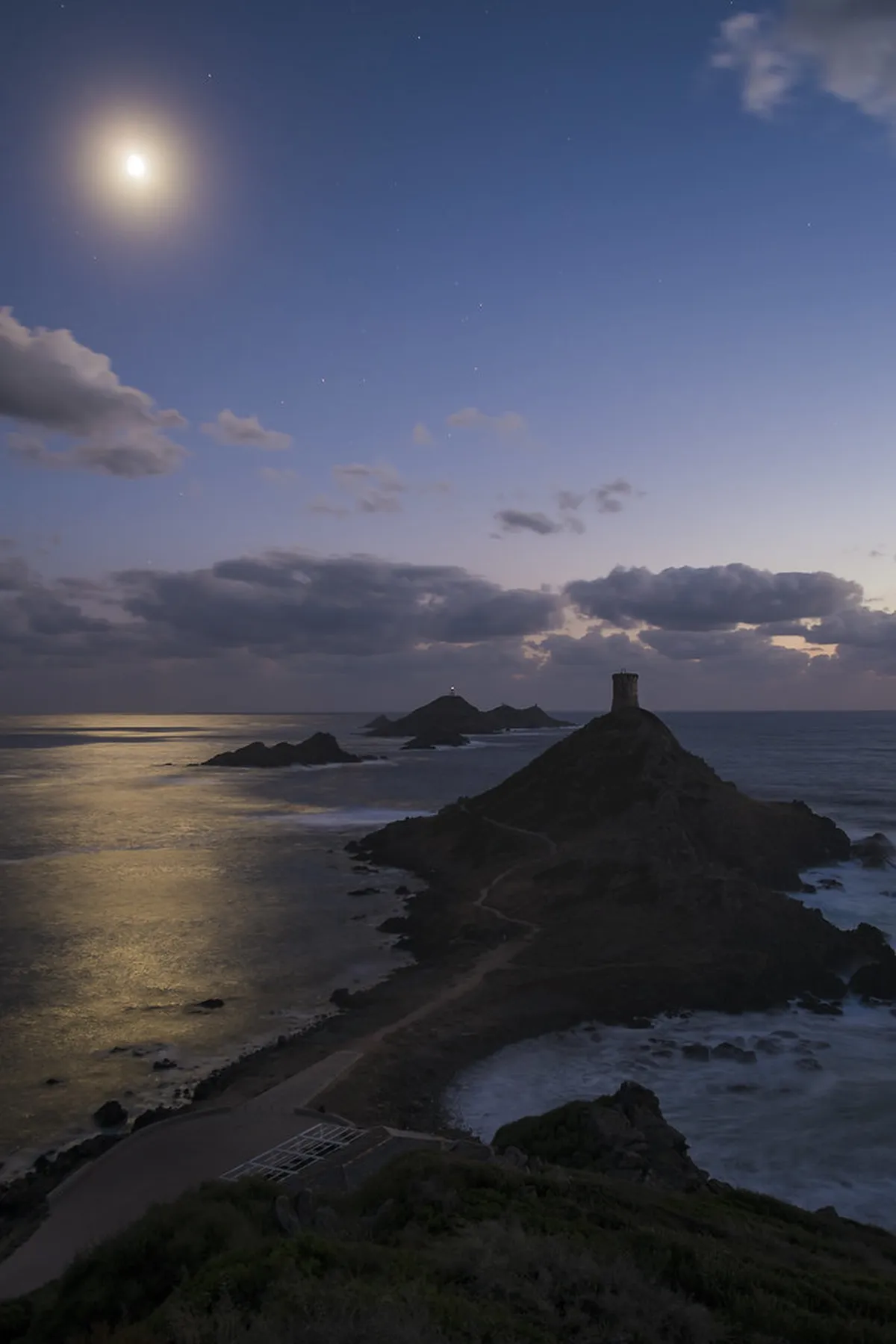
Explore the historic Genoese towers of the Balagne coast during your next trip to the island of Corsica. These iconic stone structures represent a vital part of the maritime history found near the city of Calvi. You can see these magnificent buildings perched on rocky cliffs overlooking the clear blue waters of the Mediterranean. Many travelers visit this region in 2025 to enjoy the unique blend of history and natural beauty.
Each tower tells a fascinating story about the defense strategies used by the Republic of Genoa long ago. These buildings served as important lookouts to warn local residents about approaching ships from foreign lands. Visiting the towers allows you to walk in the footsteps of ancient guards who protected the Corsican shores. You will find that these sites offer some of the most scenic views available in the Balagne region.
The architecture of these coastal forts remains remarkably well preserved despite centuries of exposure to wind and salt. You can explore many of these historic locations by following the scenic coastal paths that connect the villages. This guide will help you discover the best towers to visit during your stay in the Calvi area. Prepare for an unforgettable journey through the historic defensive network that once guarded the entire island of Corsica.
Strategic Origins of Coastal Towers
The Republic of Genoa built these towers to protect the island of Corsica from frequent pirate raids. Each stone structure stood within sight of another to ensure fast communication across the rocky coast. Watchmen used smoke by day and fire by night to send alerts about approaching enemy vessels. This network of towers created a strong shield for the communities living in the Balagne region.
These defensive buildings were part of the extensive corsican coastal defense systems constructed during the sixteenth century. The system eventually included dozens of towers spaced strategically along the entire perimeter of the island. Most of these structures were built using local materials like granite or limestone found near the site. This choice of materials helped the towers blend perfectly into the natural landscape of the rugged cliffs.
Guards lived inside these small forts for many weeks at a time to maintain a constant watch. They faced harsh conditions and isolation while performing their duties to keep the local people safe. Life for these soldiers was difficult but essential for the survival of the coastal villages near Calvi. Today, these towers stand as silent monuments to the resilience and strength of the historic Corsican people.
The towers were mostly circular to better deflect the impact of cannon fire from attacking enemy ships. This design choice proved very effective during the many conflicts that took place on the Mediterranean sea. Visitors can still see the strength of this construction when they visit the ruins in the Balagne region. The durability of these structures is a testament to the skill of the original Genoese engineers and builders.
Design of Genoese Towers of the Balagne Coast
The unique architectural style of the Genoese towers of the Balagne coast follows a very specific structural plan. Most towers feature three distinct levels that served different purposes for the guards living inside the fort. The ground floor usually contained a storage area for water, food, and various types of ammunition. You can learn more about these features by studying the torra di calvi design found in local archives.
The main living area was located on the second floor to provide better security from ground attacks. Guards entered the tower using a wooden ladder that they could quickly pull up if danger arrived. This clever design feature made it nearly impossible for intruders to gain access to the main room. The interior space was often cramped but functional enough for a small team of dedicated watchmen.
The top floor consisted of a flat terrace where the guards maintained a constant lookout for ships. This roof area also contained the fireplace used to send light signals to other towers in the network. A small defensive wall called a parapet protected the guards from enemy fire while they worked on the roof. These architectural details show how much thought went into the practical defense of the Balagne shoreline.
Modern visitors often notice that some towers are square while most others are round in their overall shape. Square towers were typically built earlier or in locations that required a different type of defensive posture. However, the round design became the standard because it offered superior protection against heavy artillery and high winds. Both styles contribute to the diverse architectural heritage that you will encounter while exploring the Balagne coast.
Exploring the Historic Salt Tower in Calvi
The Salt Tower is perhaps the most famous structure within the defensive network located directly in Calvi. This massive building originally sat at the water's edge to protect the valuable salt supplies of the city. It also served as a critical link between the lower town and the high walls of the citadel. You can find more information about this area by researching the calvi citadel structural history online.
During the eighteenth century, the Salt Tower was modified to accommodate different military needs as technology changed. The thick walls provided excellent protection during the many sieges that the city of Calvi endured over time. Today, the tower is a popular landmark that marks the entrance to the beautiful harbor area of the town. Travelers enjoy walking past its heavy stone base while exploring the shops and cafes along the quay.
The tower is a perfect starting point for any tour focused on the historic defenses of the Balagne region. Its central location makes it easy to visit before you head out to the more remote coastal trails. You can see the blend of Genoese and local Corsican influences in the stonework of this impressive building. Taking a photo of the Salt Tower is a essential experience for every visitor to Calvi in 2025.
While you cannot always enter the interior of the tower, the exterior view provides a great sense of scale. The height of the building helped guards monitor both the harbor and the open sea for potential threats. This strategic location ensured that Calvi remained one of the most well defended ports on the entire island. Studying the Salt Tower helps you understand the complex history of maritime trade and warfare in the Mediterranean.
Walking the Revellata Peninsula Trails
The Revellata Peninsula offers some of the most rewarding hiking opportunities for fans of the historic Genoese towers. You can follow a well-marked path that leads from the center of Calvi out toward the rugged point. This trail provides stunning views of the cliffs and the deep blue water of the Mediterranean sea. Joining an architectural walking tour of calvi is a great way to find these hidden gems.
The walk to the Revellata tower takes about two hours for the average hiker to complete comfortably. Along the way, you will pass through traditional Corsican scrubland filled with aromatic plants like rosemary and myrtle. The path is relatively easy but you should wear sturdy shoes for the rocky sections of the trail. The fresh sea air and the sound of the waves create a peaceful atmosphere for your journey.
- Bring at least two liters of water for the hike.
- Wear a hat and sunscreen to protect yourself from the sun.
- Start your walk early in the morning to avoid the heat.
- Carry a camera to capture the spectacular coastal views.
The Genoese towers of the Balagne coast look particularly beautiful when viewed from the tip of the peninsula. You can see how each tower was positioned to maximize the view of the surrounding coastal waters. The Revellata tower itself stands on a high cliff and provides a perfect example of defensive architecture. Spending a day on these trails is the best way to appreciate the natural beauty of Corsica.
Many hikers choose to stop at the small beaches located along the path for a refreshing swim. These secluded spots offer clear water and a chance to rest before continuing your exploration of the coast. The combination of physical activity and historical discovery makes this hike a top activity for visitors in 2025. Be sure to check the local weather forecast before you set out on your coastal adventure.
Panoramic Views of the Corsican Defenses
The best way to see the defensive network is by visiting several different architectural viewpoints in calvi today. These spots allow you to see how the towers connect to form a single line of protection. From these high points, you can spot the towers of Spanu, Caldanu, and the Revellata in one view. The strategic planning of the Genoese engineers becomes very clear when you look at the map from above.
Sunset is the ideal time to visit these viewpoints for the most dramatic lighting on the stone walls. The orange and pink colors of the sky create a beautiful backdrop for the ancient defensive structures. Many local photographers gather at these spots to capture the perfect image of the Balagne coast at dusk. The shadows stretching across the sea help to highlight the height and strength of each individual tower.
You can also take a boat trip from the Calvi harbor to see the towers from the water. Seeing the defenses from the perspective of a sailor helps you understand why they were so effective. The towers look even more imposing when you view them from the base of the high granite cliffs. Boat tours often provide interesting commentary about the history of the pirate raids and the Genoese response.
The preservation of these sites is very important for the cultural identity of the people living in Balagne. Local organizations work hard to maintain the trails and protect the stone structures from further erosion and damage. Visiting these sites in 2025 helps support the efforts to keep Corsican history alive for future generations. Respect the environment and stay on the marked paths to help preserve these magnificent historical treasures.
Frequently Asked Questions
How many Genoese towers are in the Balagne region?
There are approximately ten significant Genoese towers still standing along the rugged coastline of the Balagne region today. Some are in excellent condition while others remain as atmospheric ruins for hikers to explore. Each tower was built about five to ten miles apart to ensure constant communication via signals.
Can you go inside the towers near Calvi?
Most of the coastal towers are currently closed to the public for safety and preservation reasons. However, you can explore the exterior and the surrounding grounds of these historic sites at any time. The Salt Tower in Calvi is sometimes open for special exhibitions or guided tours during the summer.
What is the best time of year to visit the towers?
The best time to visit the towers is during the spring and fall months when the weather is mild. Temperatures in 2025 are ideal for hiking between April and June or in September and October. Summer can be very hot, making the coastal trails more challenging for most visitors to complete.
Are the hiking trails to the towers difficult?
Most trails leading to the towers near Calvi are considered easy to moderate for people with basic fitness. The paths are well-marked but can be rocky and uneven in some places along the coastline. You should always wear proper hiking shoes and bring plenty of water for your coastal journey.
The Genoese towers of the Balagne coast offer a unique window into the fascinating maritime history of Corsica. These stone guardians continue to watch over the sea and provide incredible views for every visitor to Calvi. Planning a trip to see these sites in 2025 will reward you with beauty and historical insight. Book your next walking tour today to experience the magnificent defensive heritage of the Balagne region for yourself.
Key Takeaways
- Visit the Salt Tower in Calvi for an easy look at Genoese defense architecture.
- Hike the Revellata Peninsula trail for the best views and multiple tower sightings.
- Wear sturdy shoes and bring plenty of water when exploring the coastal paths.
- The towers were built in the 16th century to protect against Mediterranean pirate raids.
Related reads: architecturebycity.com, architecture in calvi.