
Corsican Coastal Defense Systems in Calvi Guide
Explore Corsican coastal defense systems in Calvi. Learn about the Genoese towers of the Balagne coast in 2025. Discover historic architecture today!
On this page
Calvi features some of the most impressive Corsican coastal defense systems found in the Mediterranean region. These historic fortifications protected the city from pirate attacks during the sixteenth and seventeenth centuries. Visitors can still see these massive stone structures standing guard along the beautiful Balagne coastline today. Exploring these sites offers a deep look into the military history of the Republic of Genoa.
The coastal scenery in northern Corsica provides a stunning backdrop for these ancient defensive monuments. You can walk along the rugged cliffs to find several Genoese towers of the Balagne coast near Calvi. These landmarks serve as a reminder of the island's turbulent past and strategic importance. Planning a visit in 2025 allows you to enjoy both history and nature together.
Origins of Genoese Towers of the Balagne Coast
The Republic of Genoa built many towers to protect the island from North African Barbary pirates. These pirates frequently raided coastal villages to capture treasures and take local people as slaves. Genoa decided to create a massive network of watchtowers to provide safety for their territories. This project eventually transformed the entire landscape of the northern Corsican coastline during the Renaissance.
Construction began in earnest during the middle of the sixteenth century under the direction of Genoese governors. Each tower was placed within sight of another to allow for quick communication using fire signals. This chain of defense allowed messages to travel around the entire island in very little time. The architecture in Calvi still reflects this need for security and visual dominance.
Local communities often paid for the construction of these towers through special taxes and community labor. Everyone understood that a strong defense was the only way to ensure a peaceful life. The towers were usually circular and stood three stories high to provide an excellent vantage point. Most of these structures used local granite and mortar to withstand the harsh salty sea air.
Architecture of Corsican Coastal Defense Systems
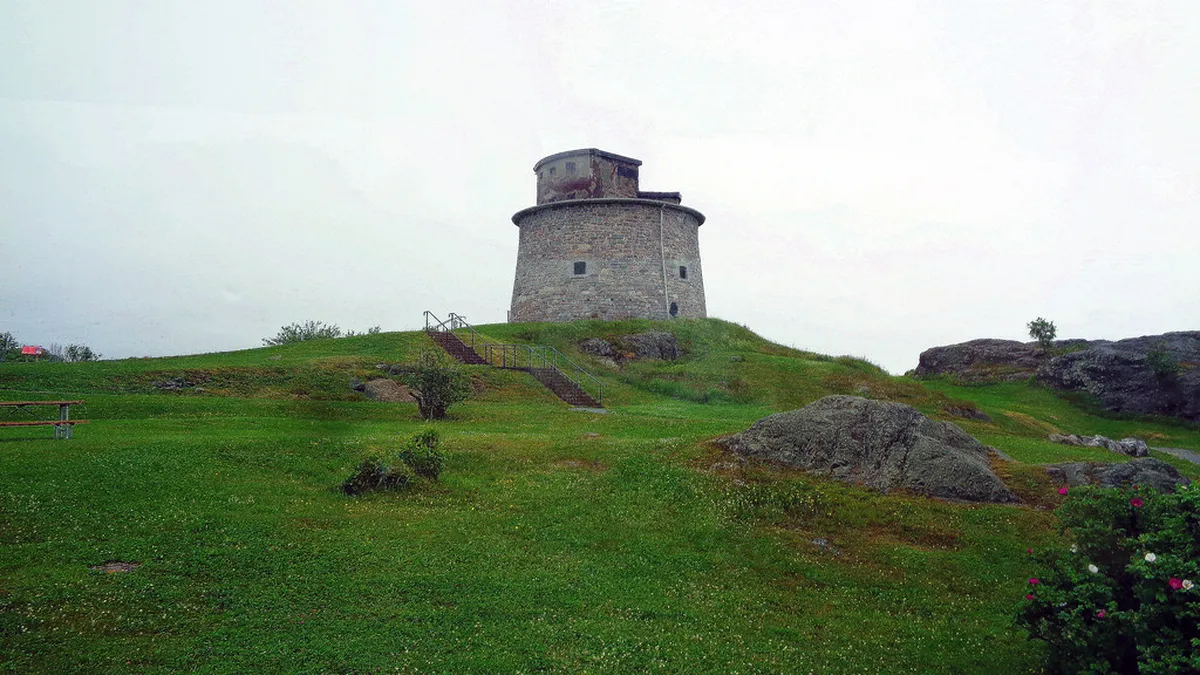
The Corsican coastal defense systems utilized a very specific design that combined strength with functional simplicity. Most towers featured a single entrance located on the second floor to prevent easy enemy access. Soldiers used a removable wooden ladder to enter and exit the structure during their daily shifts. The ground floor usually contained a large cistern for storing fresh water and various food supplies.
The main living area for the guards occupied the second floor of these impressive stone towers. This space included a fireplace for cooking and sleeping quarters for the small team of defenders. The top floor consisted of an open terrace with battlements for firing muskets or small cannons. This design allowed a tiny group of men to hold off much larger raiding parties.
The walls of these towers were remarkably thick at the base to resist heavy naval bombardment. Architects used a slight taper in the walls to improve the overall stability of the high structures. Many towers in the Balagne region have survived for hundreds of years due to this clever engineering. You can observe these details while taking an architectural walking tour of Calvi today.
The Role of the Calvi Citadel
The Citadel of Calvi served as the primary anchor for all Corsican coastal defense systems in the area. This massive fortress was built upon a high granite promontory that overlooks the entire natural harbor. It provided a safe haven for thousands of citizens during times of intense warfare or coastal invasion. The walls of the citadel remain some of the thickest and strongest in the entire Mediterranean.
Inside the citadel, the Genoese maintained a permanent military garrison to respond to any local threats. This location was so secure that it remained loyal to Genoa for many centuries of rule. The motto inscribed on the gates reminds visitors that the city was always faithful to the republic. Today, you can explore the narrow streets and admire the military precision of the historical layout.
The citadel also housed the Palace of the Governors and several important administrative buildings for the region. It functioned as a small self-contained city that could withstand long sieges from foreign naval powers. The strategic position allowed the Genoese to control all maritime trade passing through the Balagne region. Visiting the ramparts in 2025 offers spectacular views of the surrounding sea and distant mountains.
Communication Networks in the Balagne Region
Effective communication was the most critical part of the Corsican coastal defense systems during the Genoese era. Guards used smoke during the day and bright fires at night to signal an approaching threat. When a tower spotted a pirate ship, they would immediately light their signal fire for others. This warning would travel from tower to tower until it reached the main citadel in Calvi.
Church bells in the local villages would then ring to warn farmers to move inside the walls. This system gave families enough time to gather their belongings and find safety within the local fortifications. It was a highly organized method that saved countless lives over several hundred years of history. The coordination between the towers and the mainland was essential for the survival of Corsica.
Modern travelers can still see how these towers were positioned to maintain a clear line of sight. Walking along the coastal paths allows you to understand the geographic logic of this ancient warning system. Many of these sites are now protected as historical monuments to preserve their unique architectural heritage. The ruins of the Reville tower offer a great example of this strategic placement today.
Preserving Coastal Heritage in 2025
Preservation efforts in 2025 focus on protecting these Corsican coastal defense systems from natural erosion and decay. Local organizations work hard to stabilize the ancient masonry and clear away invasive coastal vegetation. These efforts ensure that future generations can learn about the complex history of the Balagne coast. Many towers have been carefully restored to allow visitors to climb to the very top.
Guided tours now provide deep insights into the daily lives of the men who guarded these shores. You can hear stories about brave defenders and the legendary battles they fought against dangerous pirate fleets. These tours often combine historical education with a light hike through the beautiful Corsican maquis shrubland. It is an excellent way to experience the local culture while enjoying the Mediterranean sun.
The city of Calvi continues to celebrate its defensive heritage through various cultural festivals and museum exhibits. Learning about the Genoese influence helps you appreciate the unique identity of this proud island community. Visitors are encouraged to respect the historical sites by staying on the marked paths and trails. Preserving these treasures is a shared responsibility for both locals and travelers from around the world.
Frequently Asked Questions
What are the Genoese towers of the Balagne coast?
These are stone watchtowers built by the Republic of Genoa between 1530 and 1620. They were designed to protect the local population from frequent pirate raids along the shore. You can find many of these structures still standing near the city of Calvi today.
How many towers were part of the Corsican coastal defense systems?
At the peak of the system, there were approximately 85 towers located around the entire island. The Balagne region contained a significant number of these due to its high economic value. Today, about 60 of these towers remain in various states of preservation for visitors.
Can I go inside the Genoese towers near Calvi?
Some towers are open to the public during the peak tourist season in the summer months. Others are best viewed from the outside due to safety concerns or ongoing restoration projects. Always check local signs or visit the Calvi tourism office for current access information.
What is the best way to see these defensive systems?
The best way to see them is by hiking the coastal paths or taking a boat tour. Walking allows you to appreciate the rugged terrain and the strategic placement of each stone structure. Boat tours offer a unique perspective of the towers from the sea as the pirates saw them.
The Corsican coastal defense systems represent a fascinating chapter in the long and complex history of Calvi. These Genoese towers and the massive citadel remain iconic symbols of the resilience of the local people. Visiting these sites in 2025 provides a meaningful connection to the past while enjoying stunning island views. Make sure to include a visit to the Calvi citadel on your next trip to France.
Key Takeaways
- The Genoese towers were built to protect Corsica from Barbary pirate raids.
- Fire and smoke signals allowed for rapid communication across the island's coast.
- Calvi's citadel served as the central hub for regional military defense.
- Most towers feature a unique design with an entrance on the second floor.
- Visitors can explore these historic sites via scenic coastal hiking trails in 2025.
Related reads: architecturebycity.com.