
Calvi Citadel Structural History: A Genoese Legacy
Explore the Calvi Citadel structural history from 1278 to 2025. Learn about Genoese fortifications, military design, and visitor tips. Discover this Corsican icon!
On this page
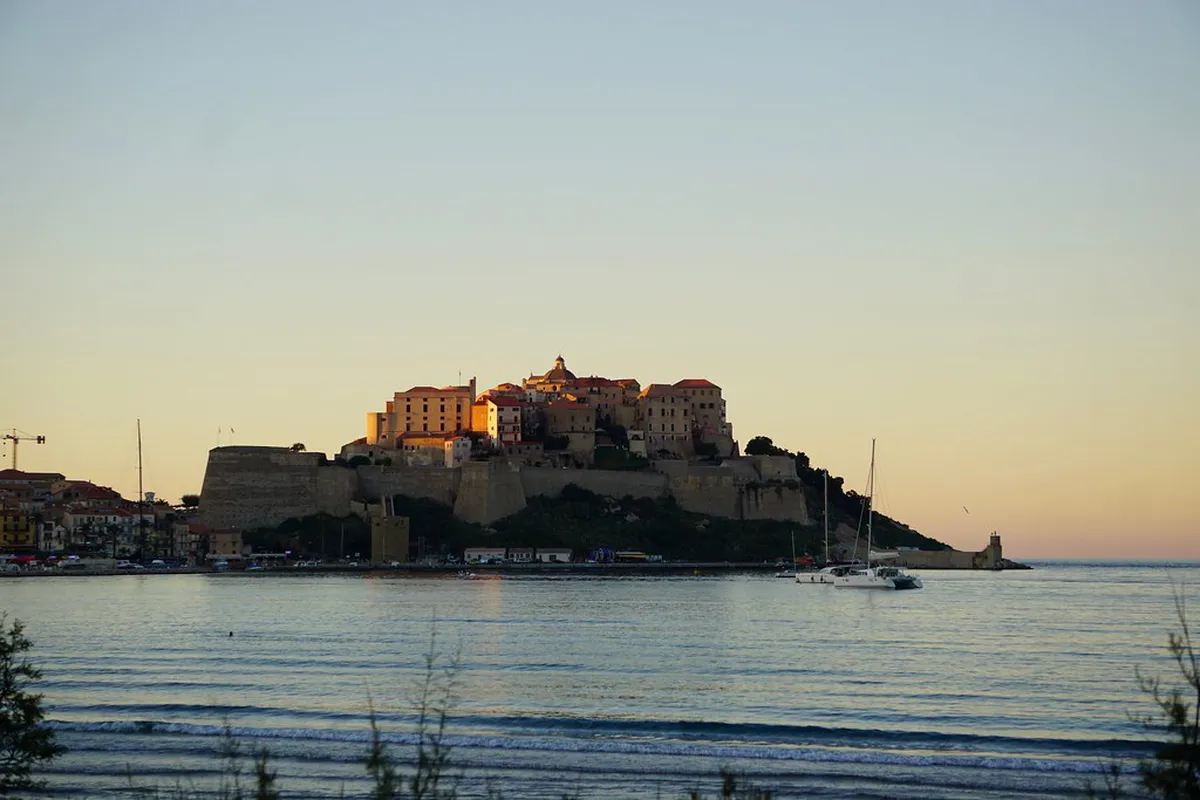
The Calvi Citadel structural history began on a massive granite rock in the thirteenth century. This iconic fortress stands as a symbol of Genoese power on the Corsican coast. It has guarded the bay of Calvi against countless invaders for many centuries. Today, it remains a living piece of history for every traveler to explore.
Visitors in 2025 can still walk along the high ramparts of this historic site. The structure offers a unique glimpse into medieval military engineering and urban planning. Its thick walls tell stories of long sieges and brave defensive battles. This guide explores the fascinating evolution of the fortress through the ages.
Understanding the design of the Citadel helps you appreciate its cultural importance today. It is not just a ruin but a vibrant neighborhood with deep roots. You will find narrow streets, hidden squares, and stunning views at every corner. Let us dive deep into the layers of this architectural masterpiece.
Early Genoese Foundations and Strategic Origins
The Calvi Citadel structural history officially started in the year 1278. The Republic of Genoa wanted a secure stronghold to control northern Corsica. They chose a high promontory that offered natural protection on three sides. This location made the city almost impossible to attack from the sea.
Initial construction focused on the upper part of the granite cliff. Workers used local stones to build the first defensive walls and watchtowers. These early structures were simple but effective for monitoring the Mediterranean waters. The settlement grew quickly as Genoese loyalists moved into the protected area.
The layout of the Citadel followed the uneven shape of the mountain. Engineers designed narrow paths that restricted the movement of potential invaders. This urban plan also provided shade during the hot Corsican summer months. Every street was built with defense as the primary architectural goal.
Granite was the main material used for the foundations and the walls. This rock provided immense strength against the erosive power of salty sea air. Using local materials also reduced the cost and time of early construction. The fortress soon became the most important military site in the Balagne region.
By the end of the thirteenth century, the site was fully functional. It served as a primary port for the export of local olive oil. The Citadel protected the wealth of the region from frequent pirate raids. It established Calvi as a loyal outpost for the Genoese government.
Evolution of Advanced Fortification Techniques
The sixteenth century brought major changes to the Calvi Citadel structural history. Artillery warfare became more advanced, so the old walls needed significant upgrades. Engineers added three massive bastions to the landward side of the fortress. These new structures could withstand the impact of heavy iron cannonballs.
The Bastion San Giorgio and Bastion Teghiale are excellent examples of this era. They utilized Genoese fortification techniques to eliminate defensive blind spots. The walls were thickened to over three meters in many critical areas. This era of building turned Calvi into an impenetrable military stronghold.
The architects also integrated deep water cisterns within the city walls. These reservoirs were essential for survival during long periods of enemy blockade. They collected rainwater from the roofs of houses and public buildings. This structural foresight allowed the population to endure months of isolation.
Internal tunnels were carved into the rock to allow for secret movement. Soldiers could move between the bastions without being seen by the enemy. These passages also served as storage areas for gunpowder and food supplies. The complexity of the underground network matched the strength of the exterior.
The current silhouette of the Citadel was mostly finished by the late 1500s. It remains one of the best examples of Genoese military design in Europe. Preservation teams in 2025 work hard to maintain these ancient stone surfaces. The sheer scale of the masonry continues to impress modern engineering experts.
Administrative and Religious Building Integration
The Citadel contains more than just defensive walls and military barracks. Its structural history includes the grand Palace of the Governors built in the fifteenth century. This building served as the official seat of Genoese power in Corsica. It features a distinctive square tower and heavy vaulted stone ceilings.
The Palace was designed to be both a home and a fortress. It provided a secure location for the ruling elite during times of unrest. Its architecture reflects the transition from medieval styles to more refined Renaissance details. Today, the building serves as a barracks for the French Foreign Legion.
Nearby stands the impressive Cathedral of Saint-Jean-Baptiste with its striking dome. The original Cathedral architecture suffered from fires and several accidental explosions. It was rebuilt in the Baroque style during the sixteenth and seventeenth centuries. The interior features a famous crucifix that protected the city during sieges.
Residential houses in the Citadel also show unique structural adaptations. Most dwellings are tall and narrow to maximize the limited space available. They share thick walls to provide mutual support on the steep slopes. These homes have been occupied by local families for many generations.
Public squares like the Place d'Armes served as central gathering points. These open spaces were vital for military drills and social interactions. They provide a break in the dense network of buildings and streets. The balance between private and public space remains a key structural feature.
Impact of the 1794 British Siege
The British Navy led a massive attack on the city in 1794. This event significantly altered the Calvi Citadel structural history and its defensive state. Admiral Horatio Nelson directed the bombardment of the fortress from the surrounding hills. Many of the upper walls and civilian houses were heavily damaged.
Nelson famously lost the sight in his right eye during this battle. The intensity of the shelling proved that even granite bastions had weaknesses. After the siege, the British occupied the city for a short period. They made several temporary repairs to the damaged sections of the outer walls.
When the French regained control, they implemented more permanent structural repairs. These updates used different types of masonry that are still visible today. Experts can identify these patches by the color and texture of the stones. The fortress evolved to meet the needs of a new era of warfare.
Visitors can explore ruins like the Maison de Christophe Colomb inside the walls. Local legend claims the explorer was born in Calvi during Genoese rule. While the house is now in ruins, its foundations show medieval building styles. It remains a popular stop on any historical walking tour.
The damage from 1794 served as a catalyst for modernizing the town. Lower Calvi began to grow as people moved outside the cramped Citadel. However, the fortress remained the primary military headquarters for the entire region. It slowly transitioned from a battleground into a historical monument.
Modern Preservation and Current Status
The French government listed the Citadel as a historical monument in 1902. This designation ensured the Calvi Citadel structural history would be protected for the future. Conservation teams use traditional methods to repair the ancient granite blocks. They apply lime-based mortars to allow the walls to breathe naturally.
In 2025, the Citadel is a primary tourist attraction for the island of Corsica. It successfully blends its military past with a peaceful residential present. The narrow streets are now filled with small shops and local cafes. You can walk the entire perimeter of the walls for free.
Finding the best architectural viewpoints in Calvi is easy from the ramparts. You can see the entire bay and the mountains of Balagne. These views highlight why the Genoese chose this exact spot for construction. The visual connection between the sea and the land is truly spectacular.
The city invests in digital mapping to monitor the health of the structure. High-tech sensors detect any shifts in the granite or the masonry walls. This proactive approach prevents the collapse of the older sections of the fortress. It ensures that the Citadel will stand for another seven centuries.
Sustainability is also a focus for the modern management of the site. They limit the use of heavy vehicles within the narrow ancient streets. This policy reduces vibrations that could damage the fragile historical foundations. The Citadel remains a model for preserving urban heritage in France.
Practical Tips for Exploring the Fortress
Exploring this historic site requires a bit of physical effort and preparation. The walk from the harbor to the main gate is quite steep. You should wear sturdy walking shoes to handle the uneven cobblestone paths. Most visitors spend about two to three hours wandering through the streets.
The main entrance is located near the Place Christopher Columbus. You will pass through a massive stone gateway with a drawbridge mechanism. This entrance was once the only way into the upper city. It serves as a reminder of the strict security of the past.
Entrance to the general grounds of the Citadel is free for everyone. Some specific sites, like the Cathedral, may have small entry fees. These costs typically range from three to six Euros per person. Most museums are open from 10:00 AM until 6:00 PM during summer.
The best time to visit is during the early morning or late afternoon. This timing helps you avoid the intense midday sun and the crowds. The golden hour light makes the granite walls look beautiful for photography. You can find several benches along the ramparts to rest and enjoy.
Guided tours are available for those who want a deeper historical experience. Local experts can point out hidden details in the masonry and design. These tours usually last about ninety minutes and cover all major landmarks. You can book them at the tourism office near the port.
Frequently Asked Questions
When was the Calvi Citadel first built?
The construction of the Calvi Citadel began in 1278. The Republic of Genoa built it as a secure military outpost. It has been expanded and renovated many times over the centuries.
Is there an entry fee for the Calvi Citadel?
Walking through the streets and ramparts of the Citadel is free. Some specific buildings like the Cathedral or museums charge a small fee. Expect to pay between 3 and 10 Euros for these sites.
Who is the most famous historical figure linked to Calvi?
Admiral Nelson is famous for losing his eye during the 1794 siege. Many locals also believe that Christopher Columbus was born within the Citadel walls. Both figures are celebrated with plaques and monuments in the city.
How long does it take to tour the Citadel?
Most visitors spend between two and three hours exploring the area. This time allows you to walk the ramparts and visit the Cathedral. If you stop for a meal, plan for a half-day visit.
The Calvi Citadel structural history is a testament to Genoese engineering and Corsican resilience. From its thirteenth-century origins to its 2025 status, it remains a pillar of the Mediterranean. Its massive walls and narrow streets offer a journey back in time for every visitor. Whether you love history or architecture, this fortress provides an unforgettable experience. Plan your trip today to see this granite giant standing tall against the sea.
Key Takeaways
- The Citadel was founded by the Genoese in 1278 on a granite cliff.
- Major bastions were added in the 16th century to resist artillery.
- The 1794 British siege led by Nelson significantly damaged the walls.
- Visitors can explore the ramparts for free throughout the year.
- The site blends military history with a living, residential neighborhood.
Related reads: architecturebycity.com, architecture in calvi.