
Visit the Palace of the Governors Calvi in 2025
Discover the Palace of the Governors Calvi. Explore its history, architecture, and tours in this guide for your 2025 trip to Corsica. Plan your visit today!
On this page
The Palace of the Governors Calvi stands as a truly historic masterpiece for modern travelers visiting Corsica in 2025. This massive stone structure stands tall in the heart of the historic Calvi Citadel today. This landmark represents many centuries of influential Genoese rule across the beautiful island of Corsica. You should explore the unique architecture in Calvi during your next vacation to this stunning French region.
Visitors flock to this site for its incredible historical depth and breathtaking views of the Mediterranean Sea. The palace provides a perfect starting point for any cultural tour of the Citadel district. You will learn about the strategic importance of this fortress during the Middle Ages. The building remains a symbol of the city's resilience and long-standing military heritage.
History of the Palace of the Governors Calvi
Construction began in the thirteenth century under the direction of the powerful Republic of Genoa. The palace served as the primary seat of local government for the entire Balagne region. It played a vital role in defending the Citadel from naval attacks during many centuries. This structure witnessed countless battles and political shifts over its long and storied existence.
The Genoese built this palace to showcase their incredible wealth and military power to the local population. It housed the various governors who ruled the island on behalf of the Genoese state. During the sixteenth century, the site underwent significant expansion to improve its defensive capabilities. It remains one of the most significant and oldest buildings found in the city today.
Military forces used the building for strategic storage and housing for high-ranking officers during various conflicts. Its thick stone walls protected leaders during frequent island invasions by competing European naval powers. The Calvi Citadel structural history explains this defensive design and its military utility very well. It stands as a true fortress within a city that resisted many sieges.
In later years, the palace became a military barracks for the French army during the nineteenth century. The French military utilized the site for many decades before it transitioned into a cultural landmark. You can still see original markings on some stone walls from soldiers who lived there. This history adds layers of meaning and intrigue to every visit you make.
Today, the building serves as a popular museum and landmark for tourists visiting the island. It preserves the memory of those who lived and worked within these massive stone walls. Visitors can walk through rooms once occupied by high officials and powerful military leaders. It is a portal into the past of Corsica and its complex European connections.
Architectural Features and Design Style
The palace features a rugged and imposing stone exterior that commands immediate respect from every visitor. Its design follows the traditional Genoese military style of architecture used throughout the Mediterranean region. Large towers flank the corners for better defensive visibility during various periods of naval conflict. The windows remain small to maintain structural strength against heavy artillery during ancient sieges.
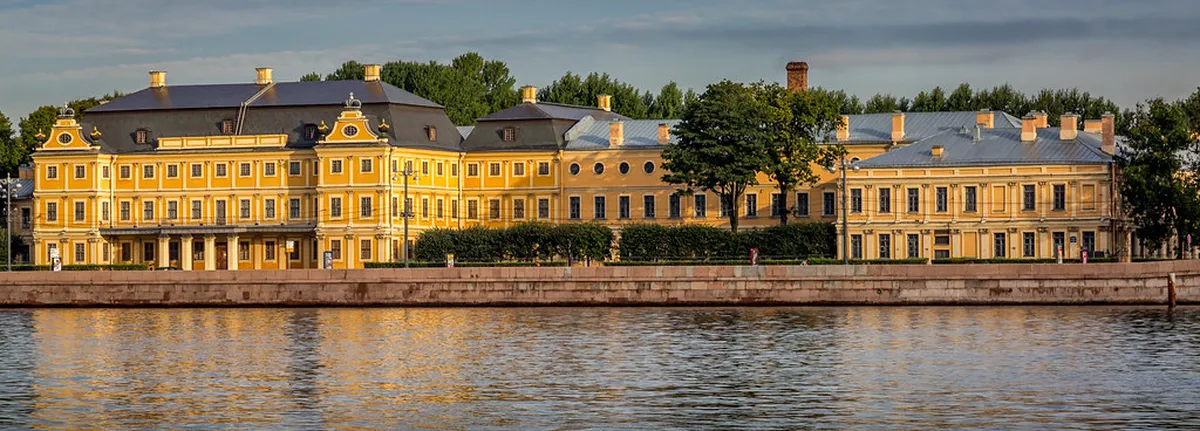
You will notice the distinctive yellow and ochre facade colors on the exterior of the palace. These warm shades match the surrounding buildings found in the historic district of the upper Citadel. The Palais des Gouverneurs architectural style combines practical utility with a sense of Genoese prestige. It stands as a symbol of the engineering skills possessed by Mediterranean builders centuries ago.
Visitors can observe the large central courtyard located inside the main palace walls during their tour. This open space allowed for troop movements and large administrative gatherings during the Genoese era. High arches support the upper floors of the main building and provide structural stability. This layout ensured that cool air circulated effectively during the hot summer months in Corsica.
Recent restorations have preserved the original stonework for 2025 visitors to enjoy in its best state. Architects used traditional techniques to maintain the site's authenticity and historical value for future generations. The building blends perfectly with other structures that showcase historic residential styles found throughout the city. It is an engineering marvel that has survived the test of time and weather.
The interior spaces reflect the utilitarian nature of a military and administrative headquarters from long ago. Bare stone walls and high ceilings create a sense of space and importance within the palace. You can see how the architecture prioritized defense while still maintaining a grand appearance. These design choices tell the story of a city that was always ready for battle.
Military Importance of the Fortress
The Palace of the Governors Calvi was the heart of the city's defensive strategy for centuries. Its location allowed governors to monitor the harbor for any approaching enemy fleets or pirate ships. The thick walls could withstand heavy bombardment from the sea without suffering catastrophic structural damage. This fortress made Calvi one of the most secure locations in the entire Mediterranean region.
Strategic tunnels and passages exist beneath the palace to allow for the safe movement of troops. These secret routes were essential for surviving long sieges when the city was cut off. Soldiers could move supplies between different bastions without being seen by the enemy forces outside. This hidden infrastructure is a fascinating aspect of the palace's complex military design.
The palace also served as an armory where gunpowder and weapons were safely stored for the garrison. Keeping these supplies in a central, fortified location ensured the city could defend itself quickly. Sentries were posted at the highest towers to provide constant surveillance of the surrounding coastline. Their vigilance kept the city safe from surprise attacks during many turbulent historical periods.
Even after the Genoese left, the French military recognized the strategic value of this historic site. They modernized parts of the fortress to accommodate new artillery and communication technology during the 1800s. The palace continued to serve a military purpose until the middle of the twentieth century. This long history of service makes it a unique landmark in the Balagne region.
Visiting the Palace in 2025: Tips and Costs
The palace is located within the upper Citadel area of Calvi near the main gate. You can reach the site by walking through the narrow and beautiful cobbled streets of the city. Wear comfortable shoes because the terrain in the Citadel is often quite steep and uneven. The climb offers rewards through panoramic views of the entire bay and the harbor.
Entrance fees for the palace museum are quite affordable for most travelers visiting the city. Adults usually pay around five to seven Euros per ticket for full access to the site. Children and students often receive discounted rates for entry when they present a valid identification card. Check local listings for updated 2025 prices before you begin your journey to the palace.
Guided tours provide deep insights into the hidden secrets and history of this massive stone building. Most professional tours last about sixty to ninety minutes and cover all the major historical highlights. You can book an architectural walking tour of Calvi online before you arrive. This ensures you have a spot and learn the most about the palace's heritage.
Visiting hours typically run from ten in the morning until six in the evening during the summer. The museum remains closed on certain public holidays in France throughout the busy tourist season. Plan to arrive early in the morning to avoid the largest tourist crowds in the Citadel. Summer afternoons can become very hot inside the stone walls without any modern air conditioning.
Photography is encouraged in the outdoor areas and on the ramparts surrounding the palace building. You should bring a high-quality camera to capture the stunning contrast of stone and sea. Some museum rooms may restrict the use of flash to protect the old artifacts on display. Always respect the rules posted by the museum staff to help preserve this historic site.
Best Viewpoints Near the Palace
The palace walls offer some of the best vistas found anywhere on the island of Corsica. You can see the entire Calvi harbor from the high ramparts during a clear day. The blue Mediterranean sea stretches endlessly toward the distant horizon in a truly spectacular fashion. These views are perfect for photography enthusiasts who visit during the golden hour of sunset.
Look for the specific architectural viewpoints in Calvi located near the main entrance of the palace. These spots provide a clear look at the historic Saint-Jean-Baptiste Cathedral nearby. You can see the striking contrast between the military palace and the religious architecture of the city. The red rooftops of the lower town create a beautiful scene against the blue water.
Walk along the exterior bastions for a different perspective of the palace and the surrounding sea. These paths surround the Palace of the Governors Calvi entirely and offer many unique photo opportunities. You will find small wooden benches for resting and enjoying the view along the way. Take a moment to enjoy the fresh sea breeze while you explore the Citadel.
The view from the palace looking back toward the mountains is also quite impressive for visitors. You can see the rugged peaks of the Balagne region rising high above the coastal landscape. This perspective helps you understand why the Genoese chose this location for their primary administrative seat. It provided total control over both the sea and the land routes nearby.
Frequently Asked Questions
Where is the Palace of the Governors Calvi located?
It is located at the highest point of the historic Citadel in Calvi. You must walk through the main gated entrance of the old city. Follow the signs leading upward toward the Palais des Gouverneurs museum.
Can I take photos inside the palace?
Photography is allowed in most areas of the palace and on the ramparts. Some museum exhibits may have specific restrictions on flash usage for preservation reasons. Always check the signs before taking pictures of any historical artifacts.
Is the palace accessible for people with limited mobility?
The Citadel has many steep and uneven cobblestone paths that present significant challenges. This can make access difficult for some visitors using wheelchairs or heavy strollers. Contact the local tourist office for specific accessibility updates for the 2025 season.
How long should I spend at the palace?
Most visitors spend about two hours exploring the museum and the ramparts. This allows enough time to read the exhibits and enjoy the scenic bay views. You might stay longer if you decide to take a guided tour.
The Palace of the Governors Calvi is a must-see landmark for anyone visiting Corsica. It captures the essence of Corsican and Genoese history within its massive stone walls. Visit this site in 2025 to experience true Mediterranean heritage and stunning coastal views. Start planning your incredible trip to beautiful Calvi and the Citadel district today!
Key Takeaways
- Take a guided tour for the best historical context.
- Wear sturdy walking shoes for the steep Citadel paths.
- Visit early in the morning to avoid the heat.
Related reads: architecturebycity.com, baroque churches in calvi.