
Maison de Christophe Colomb Ruins in Calvi France
Visit the Maison de Christophe Colomb ruins in Calvi during 2025. Discover the mystery of Columbus's Corsican origins and explore this historic landmark today!
On this page
The Maison de Christophe Colomb ruins offer a unique look into Corsican history and maritime legends. This landmark sits high above the port in the historic citadel of Calvi, France. Many locals believe this spot marks the true birthplace of the famous explorer. In 2025, travelers still flock to these ruins to ponder the mysteries of the past.
Visiting the Maison de Christophe Colomb ruins allows you to step back into the Genoese era. The site remains a powerful symbol of the deep heritage found within the island's stone walls. You will find the ruins nestled between narrow cobblestone streets and ancient fortifications. This atmospheric site provides a perfect starting point for your historical journey through the city.
History of the Maison de Christophe Colomb Ruins
The history of this site dates back to the period of Genoese rule in Corsica. Local tradition asserts that Christopher Columbus was born here in the year 1436. At that time, Calvi was a loyal territory belonging to the Republic of Genoa. This connection forms the basis for the enduring local claim regarding his ancestry.
The house itself was destroyed during the intense Anglo-Corsican siege of the city in 1794. Heavy shelling from British forces reduced many citadel structures to piles of weathered stone. Only the foundation and parts of the lower walls survived the devastating military conflict. Today, these remains serve as a haunting reminder of the city's turbulent military past.
Historians often debate the validity of the claim that Columbus was born in this specific house. Most international records suggest Genoa as his birthplace, but Calvi residents maintain their own oral traditions. You can learn more about this debate through the Christopher Columbus birthplace Calvi myth documentation. The site remains a point of immense cultural pride for the people of Corsica.
Despite the lack of definitive proof, the ruins attract thousands of curious visitors every single year. The plaque on the wall commemorates the explorer and marks the significance of the location. It stands as a testament to the city's long-standing connection to the age of discovery. Walking through these ruins feels like touching a piece of global maritime history.
Architectural Features of the Citadel Ruins
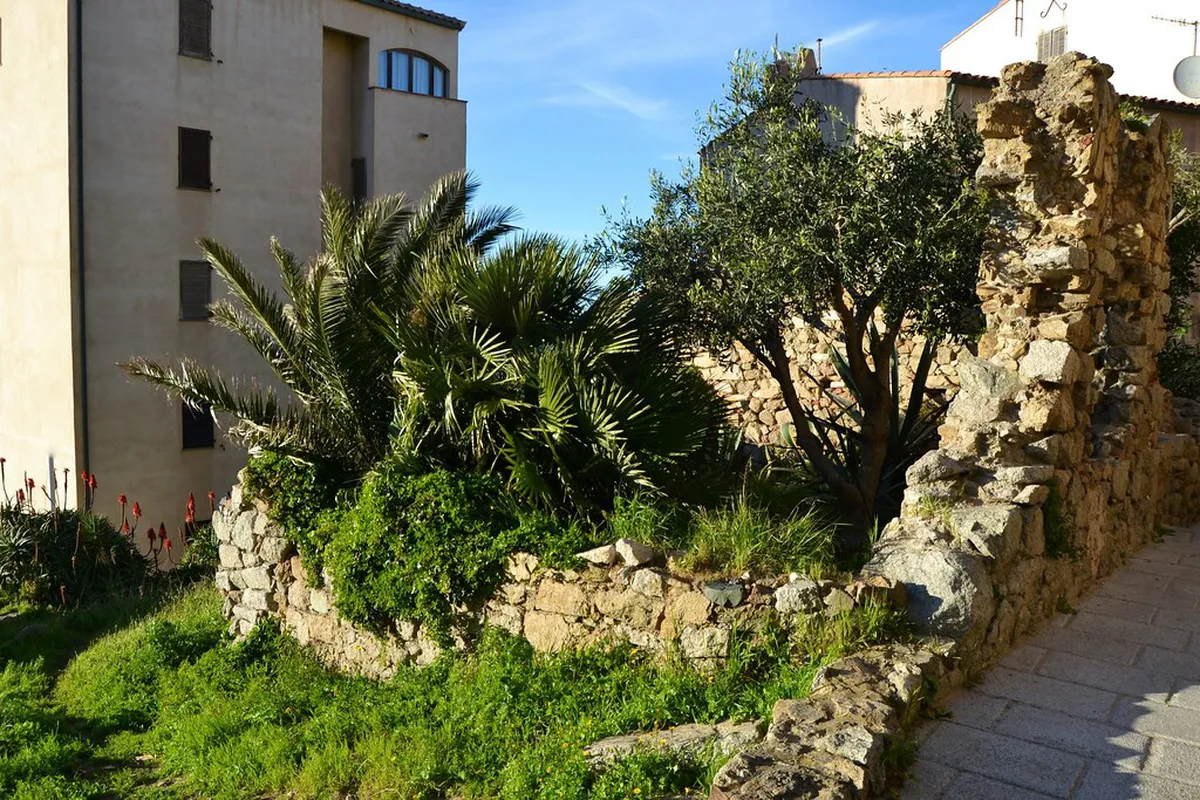
The architecture of the Maison de Christophe Colomb ruins reflects traditional Genoese construction styles. You can observe the thick granite blocks used to build the original structural foundations. These materials were chosen for their durability against both the elements and potential enemy attacks. The masonry shows the skill of medieval builders who worked within the citadel walls.
While much of the house is gone, the surrounding structures provide context for its original design. Most homes in this district featured narrow vertical layouts with very small, defensive windows. This style maximized living space within the protected confines of the high stone fortifications. You can see similar examples by exploring medieval house ruins in Calvi Citadel nearby.
The ruins sit on a sloped terrain that overlooks the harbor and the sea beyond. This strategic positioning was common for important residences during the fifteenth and sixteenth centuries. From the base of the ruins, you can see how the citadel was engineered. The layout helped residents monitor incoming ships while remaining safe behind the massive exterior walls.
Today, the site is stabilized to prevent further decay while preserving its original footprint. Modern iron railings protect the most fragile sections of the historic masonry from heavy foot traffic. You can clearly see the layout of the ground floor and the entrance threshold. These small details help visitors visualize the daily life of a family living in medieval Calvi.
Visiting the Maison de Christophe Colomb Ruins in 2025
Planning a visit to the Maison de Christophe Colomb ruins is easy for modern travelers. The site is located in the upper citadel and is accessible to the public for free. You should wear comfortable walking shoes to navigate the steep and uneven stone paths. The climb can be tiring but the historical rewards make the effort very worthwhile.
Early morning is the best time to visit if you want to avoid large crowds. During 2025, the citadel remains a popular stop for Mediterranean cruise ships and tour groups. Arriving before ten o'clock allows for quiet reflection and better photography of the ancient ruins. The soft morning light highlights the textures of the old Corsican stone beautifully.
You can find the ruins by following the signs for the 'Maison Colomb' from the entrance. The path takes you through some of the most scenic parts of the old town area. Taking an architectural walking tour of Calvi is a great way to find it. Professional guides often share fascinating stories that you will not find on the local signs.
There are several small cafes and shops located just a short walk from the ruin site. You can enjoy a refreshing drink while looking out over the expansive Balagne coastline. Many visitors spend about thirty minutes at the ruins before continuing their citadel exploration. The site is open all day, making it easy to fit into any schedule.
The Legend of Columbus's Birth in Corsica
The legend of Columbus's birth is deeply woven into the local identity of Calvi residents. They point to the surname 'Colomb' being common in the region during the fifteenth century. Some researchers suggest that his family may have migrated from Corsica to the Italian mainland. This theory keeps the debate alive among history buffs and passionate local storytellers.
Local historians argue that Columbus hid his Corsican origins for specific political and social reasons. During his time, being from Calvi might have carried different social weight than being from Genoa. This secrecy would explain why the official records do not mention his island upbringing. Many visitors find these alternative historical theories to be quite compelling and plausible.
The ruins serve as the physical heart of this legend within the city of Calvi. You will see many shops and businesses named after the famous explorer in the town below. The city even holds celebrations to honor his legacy and his supposed local roots. Understanding the Calvi Citadel structural history helps put these legends into proper context.
Whether the legend is true or false, the cultural impact on the region is undeniable. The ruins provide a tangible link to a story that spans across the Atlantic Ocean. It encourages people to think about how history is recorded and remembered over time. You should definitely take a moment to read the memorial plaque at the site.
Nearby Historic Sites in the Calvi Citadel
After visiting the Maison de Christophe Colomb ruins, explore the rest of the impressive citadel. The Saint-Jean-Baptiste Cathedral is located just a few minutes away from the ruin site. This cathedral features beautiful Baroque architecture and houses important religious relics for the local community. It offers a cool retreat from the warm Corsican sun during the summer months.
The Palace of the Governors is another must-see landmark within the high city walls. This building once served as the headquarters for the Genoese administration on the island. Its massive towers and grand facade dominate the skyline of the historic citadel district. You can see the military might of old Genoa reflected in its sturdy construction.
Walk along the ramparts to enjoy panoramic views of the entire bay of Calvi. These defensive walls have protected the city from invaders for many hundreds of years. You can see the modern marina and the sandy beaches stretching out toward the horizon. The contrast between the ancient stone and the blue water is truly spectacular.
The citadel also contains many hidden squares and smaller chapels waiting to be discovered. Every turn in the narrow streets reveals a new architectural detail or historical marker. You can easily spend an entire afternoon wandering through this living museum of French history. The atmosphere in the evenings is particularly magical as the lanterns begin to glow.
Frequently Asked Questions
Was Christopher Columbus really born in Calvi?
The claim that Christopher Columbus was born in Calvi is a strong local tradition. While most historians believe he was born in Genoa, Calvi was then a Genoese territory. Locals point to the Maison de Christophe Colomb ruins as his childhood home.
Is there a fee to visit the Maison de Christophe Colomb ruins?
There is currently no fee to visit the Maison de Christophe Colomb ruins in Calvi. The site is open to the public and located outdoors within the citadel. You can visit the ruins at any time of the day or night.
How do I get to the ruins in the Calvi Citadel?
You must walk up the steep paths leading into the historic citadel from the port area. Follow the signs marked for 'Maison Colomb' once you pass through the main gate. The walk involves several sets of stairs and uneven stone surfaces.
Are the ruins accessible for people with mobility issues?
The ruins are located in a hilly area with many stairs and cobblestone paths. This makes access difficult for those using wheelchairs or with significant mobility challenges. Slow walking and careful steps are required to reach the site safely.
The Maison de Christophe Colomb ruins remain one of the most intriguing sites in Corsica. They offer a mix of historical mystery and stunning architectural beauty within the Calvi Citadel. Visiting this landmark in 2025 provides a deeper understanding of the island's complex maritime heritage. Make sure to include this site on your next trip to northern France. You can find more travel tips by visiting our main page at architecturebycity.com today.
Key Takeaways
- The ruins are free to visit and open to the public.
- Wear sturdy shoes for the steep climb into the citadel.
- Early morning visits offer the best light and fewer crowds.
- The site is a symbol of local Corsican pride and legends.
- Combine your visit with a tour of the nearby cathedral.