
Christopher Columbus Birthplace Calvi Myth: Facts vs Legends
Discover the Christopher Columbus birthplace Calvi myth in 2025. Learn the facts about Maison de Christophe Colomb ruins and Corsican legends today.
On this page
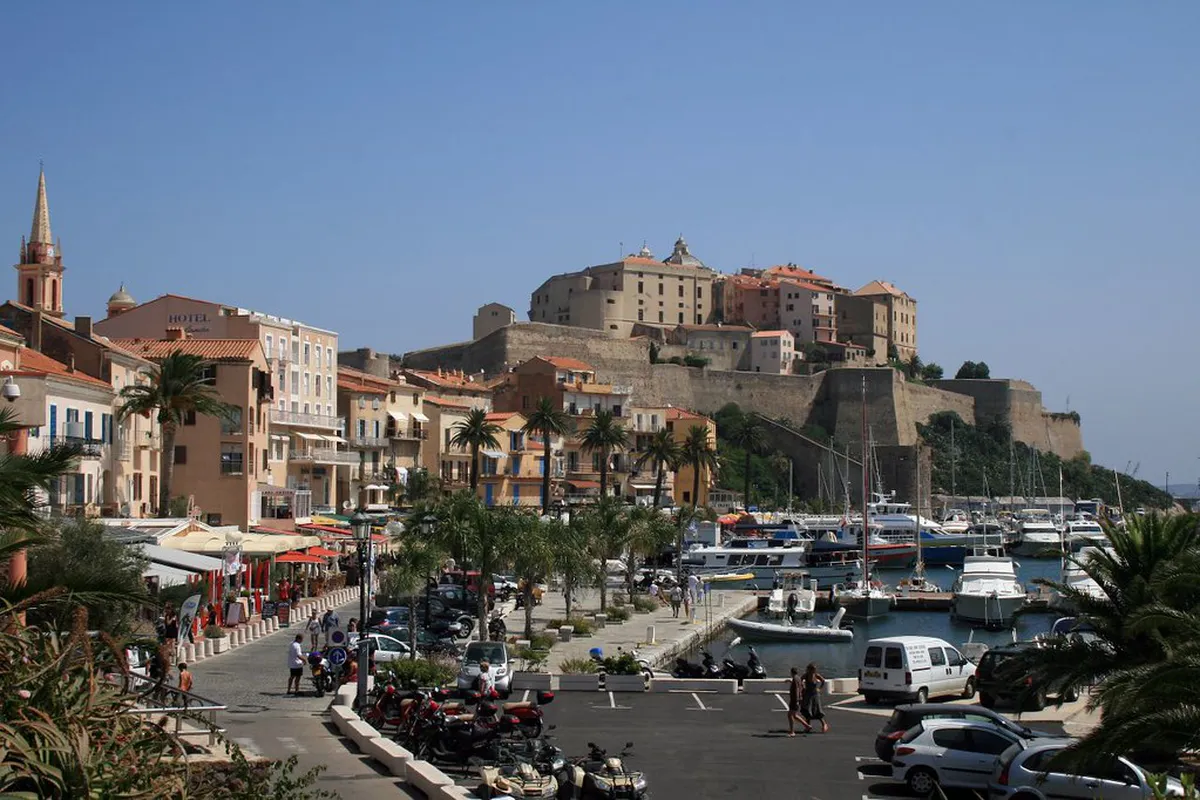
Calvi is a stunning coastal town located on the beautiful island of Corsica in southern France. The city holds a secret legend that connects it to one of history's most famous explorers. Many local residents believe that Christopher Columbus was actually born in this historic Mediterranean port town. The Christopher Columbus birthplace Calvi myth remains a popular topic for travelers visiting Corsica in 2025.
Historians note that Calvi was under Genoese rule during the fifteenth century when Columbus was alive. The local people claim that his family hid their Corsican identity to gain better social status. This fascinating story adds a mysterious layer to the architectural heritage found within the old city walls. Exploring these claims allows visitors to understand the complex history of this Mediterranean island fortress.
History of the Maison de Christophe Colomb ruins
You can explore the Maison de Christophe Colomb ruins while walking through the historic upper citadel. This site is the primary physical evidence used by locals to support their unique historical claims. The structure itself is now mostly destroyed, yet it remains a significant landmark for the local community. It serves as a symbol of the town's pride and its connection to global naval history.
Tourists often take photographs of the memorial plaque situated right outside the ruined stone walls. The plaque officially marks the site as the legendary birthplace of the man who discovered the Americas. Whether the story is true or false, it provides a compelling reason to visit the ancient citadel. You will feel the weight of history as you stand before these old, weathered granite stones.
The ruin consists of a simple stone foundation located near the entrance of the upper citadel. Local tradition says this house belonged to the Columbus family before they moved to mainland Italy. You can find a plaque on the wall commemorating the birth of the Great Admiral here. Travelers find these historical claims very interesting while walking through the narrow streets of the fortress.
Many architectural elements of the surrounding buildings suggest a wealthy and well-connected neighborhood in the past. The proximity to the main church and the governor's palace indicates a high social standing for residents. This context supports the idea that the Columbus family could have thrived in such an environment. Each stone in the foundation tells a story of survival and heritage spanning over five hundred years.
Why the Christopher Columbus Birthplace Calvi Myth Exists
The origins of the Corsican claim trace back to the period of Genoese occupation in the 1400s. During this time, Calvi was a loyal stronghold for the Republic of Genoa on the island. Many inhabitants of the town shared similar names and backgrounds with families living in the Italian city. This cultural connection created a foundation for the theory that Columbus could have been born here.
Some researchers suggest that the explorer changed his place of birth to avoid certain political troubles. Being born in Calvi might have carried a different social weight than being born in mainland Genoa. This theory suggests that he chose to identify as a Genoese citizen for purely professional reasons. Such claims keep the local legends alive and provide a sense of mystery for modern travelers.
The local government in Calvi has embraced this legend to promote tourism and cultural interest in 2025. You will see many references to the famous sailor in shops and restaurants across the harbor area. This marketing effort helps to preserve the unique identity of the town compared to other Corsican cities. It also encourages people to look deeper into the rich history of the Balagne region.
National pride plays a large role in keeping the Christopher Columbus birthplace Calvi myth relevant today. Corsicans are very proud of their independent spirit and their contributions to the history of the world. Claiming a world-famous figure like Columbus aligns with this strong sense of local and regional heritage. It makes for an excellent story to tell visitors while they enjoy the local Corsican wine.
Archaeological Evidence at the Calvi Citadel Site
The physical remains of the house are situated in a strategic location within the upper fortress walls. You can see how the building once stood among other important residential structures of that historical era. Understanding the Calvi Citadel structural history helps put these specific ruins into a proper context. The layout of the house suggests it belonged to a family of modest but respectable means.
Architects have studied the foundations to determine the exact age of the construction and its style. The stonework matches other buildings that were constructed during the late medieval and early Renaissance periods. While the walls are mostly gone, the footprint of the home is still clearly visible to visitors. This physical presence makes the myth feel much more tangible and believable to those who visit.
Excavations around the site have uncovered various artifacts that date back to the late fifteenth century. These items include pottery shards and metal tools commonly used by the residents of the Genoese citadel. While none of these objects prove Columbus lived there, they confirm the site was occupied then. Historians continue to debate the meaning of these findings in relation to the life of Columbus.
The location of the home near the Governor's Palace suggests the family had some local importance. Living in the citadel was reserved for citizens who were loyal to the ruling Republic of Genoa. This fact supports the idea that the Columbus family could have been part of this community. Every stone in this area tells a story about the people who lived here centuries ago.
Genoese Influence on the Local Calvi Architecture
The design of the houses in the citadel reflects the strong influence of Italian architectural styles. You will notice the tall, narrow buildings and narrow cobblestone streets that are typical of Genoa. These structural choices were made to maximize space within the protected walls of the hilltop fortress. The style creates a unique atmosphere that sets the citadel apart from the modern harbor area.
Granite was the primary material used for constructing the sturdy homes and defensive walls of the town. This durable stone has allowed many of the medieval structures to survive for several hundred years. You can observe the craftsmanship of the early masons as you explore the quiet residential alleys. These buildings provide a glimpse into the lifestyle of the Genoese settlers during the fifteenth century.
Many houses featured small windows and thick walls to provide protection from the hot summer sun. This practical approach to design is a hallmark of Mediterranean architecture found throughout the Corsican coastal regions. The interiors were often simple but functional, designed to accommodate the needs of seafaring merchant families. You can still see these traditional elements in many of the surviving buildings in the citadel.
The overall layout of the city was planned to ensure the safety of its loyal Genoese inhabitants. Defensive features are integrated into the residential architecture to create a secure environment for the local population. This focus on security explains why the citadel remains such an impressive sight for visitors in 2025. The architecture serves as a living record of the town's complex and often turbulent past.
Comparing the Calvi Claim with Genoa History
Most international historians agree that Christopher Columbus was born in the Italian city of Genoa. They point to various legal documents and letters that mention his Italian heritage and family roots. These records provide a strong paper trail that supports the traditional view of his early life. However, the lack of a specific birth certificate leaves some room for alternative theories to exist.
The house in Genoa is a popular tourist destination that also claims to be his birthplace. Both cities use their historical structures to attract visitors and celebrate the legacy of the great explorer. This competition between Calvi and Genoa has existed for many decades and shows no signs of stopping. It highlights how important historical figures are to the identity and economy of these coastal cities.
Genetic studies and linguistic analysis have been used to investigate the true origins of the Columbus family. Some experts argue that his dialect and writing style suggest a background that is not purely Genoese. These scientific approaches add new dimensions to the debate but have not yet provided a final answer. The mystery continues to captivate the imagination of people who love history and travel across Europe.
Regardless of the truth, the legend has become an inseparable part of the local culture in Calvi. The town celebrates the explorer with festivals and educational displays that explain the different historical theories. This commitment to the story ensures that the myth will be passed down to future generations. You can learn more about these stories during an architectural walking tour of Calvi.
Frequently Asked Questions
Is there proof that Christopher Columbus was born in Calvi?
There is no definitive documentary proof that Christopher Columbus was born in Calvi. The claim is based on local oral traditions and the presence of ancient ruins in the citadel. Most historians still believe he was born in Genoa, Italy, based on existing historical records.
Where are the Maison de Christophe Colomb ruins located?
The ruins are located in the upper citadel of Calvi on the island of Corsica. You can find them near the entrance of the fortress, marked by a commemorative stone plaque. The site offers beautiful views of the harbor and the surrounding mountains of the Balagne.
Why did people start saying Columbus was from Corsica?
The theory started because Calvi was a Genoese territory during the time of his birth. Local people believe he hid his Corsican roots to improve his standing in the Spanish court. This story has been maintained by the community for centuries as a point of local pride.
Can you enter the house of Christopher Columbus in Calvi?
You cannot enter the building because only the foundations and partial stone walls remain today. The site is an open-air ruin that you can view from the street in the citadel. It is a popular stop for tourists who are exploring the historic sites of the town.
The Christopher Columbus birthplace Calvi myth is a fascinating tale that enriches the history of Corsica. While experts may disagree, the ruins in the citadel provide a tangible connection to the legendary explorer. Visiting this site in 2025 offers a unique look at the town's proud Genoese and Corsican heritage. Plan your trip today to see these historic ruins and decide the truth for yourself.
Key Takeaways
- Locate the stone ruins in the upper Calvi Citadel near the fortress entrance.
- Look for the official memorial plaque that commemorates the legendary birth of Columbus.
- Visit the site during the morning to avoid the heat and the largest crowds.
- Combine your visit with a walking tour to learn about Genoese architectural influences.
- Remember that the site is a partial ruin, so wear comfortable shoes for walking.
Related reads: architecturebycity.com, architecture in calvi, medieval house ruins in calvi citadel.