
Explore Annecy Medieval Architecture History
Learn about Annecy medieval architecture history. Visit castles and canals in this French Alpine gem. Plan your expert historical tour for 2025 today.
On this page
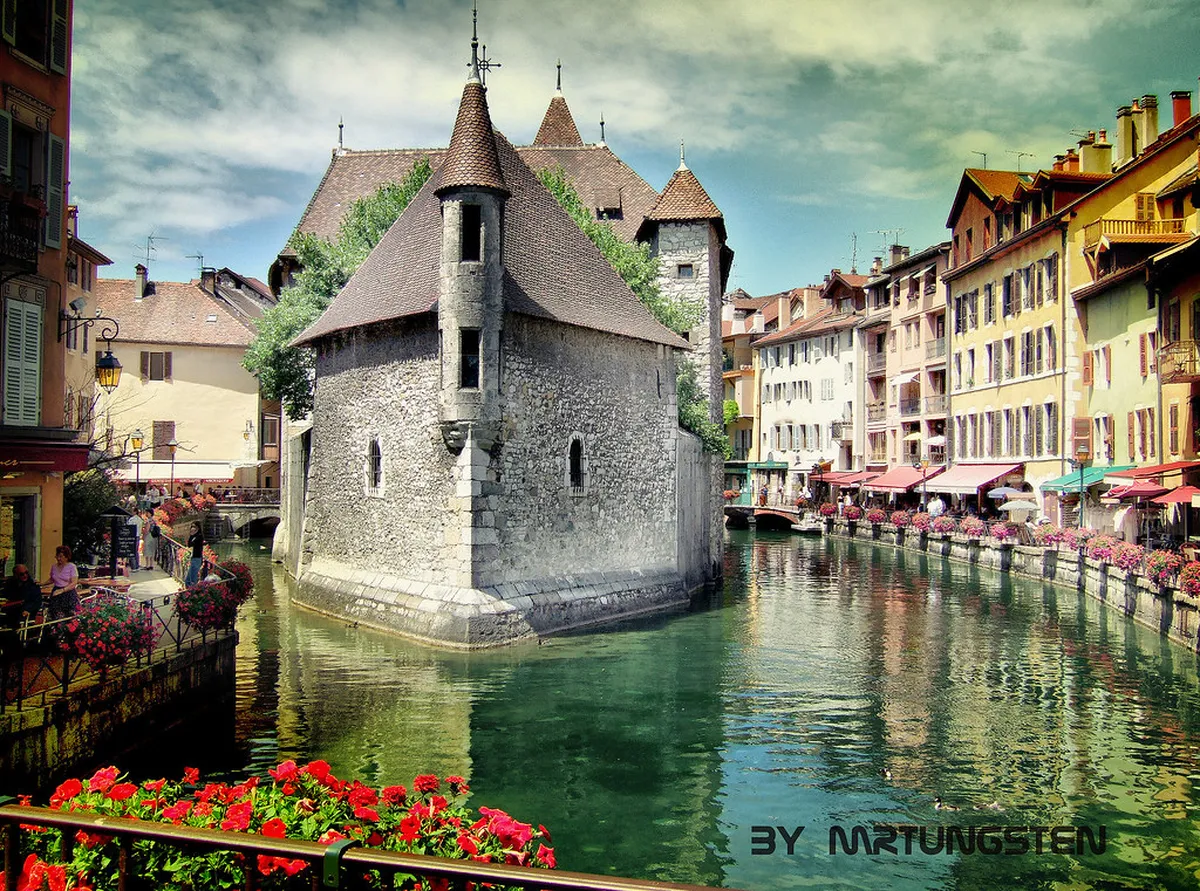
Annecy is frequently called the Venice of the Alps for very good reasons. The city features a wide network of narrow canals and ancient stone bridges. Visitors in 2025 can walk through streets that look like a movie set. Every corner of the old town tells a unique story from the distant past.
The study of Annecy medieval architecture history reveals a very rich cultural heritage. This French city was once the capital of the County of Geneva for a time. You will see many buildings that date back to the twelfth and thirteenth centuries. These structures still stand today as proud reminders of the long-standing local power.
Walking through the narrow cobblestone streets feels like stepping back through many centuries. You can see how the residents adapted their buildings to the flowing water nearby. The architectural style blends French elegance with sturdy mountain designs for a unique look. Understanding these structures helps you appreciate the deep history of this beautiful lakeside region.
The Palais de l'Ile: A Medieval Landmark
The Palais de l'Ile is the most iconic building in the entire city of Annecy. It stands on a rocky island in the middle of the main Thiou canal. This structure has served as a prison, a courthouse, and a royal residence. Its unique ship-like shape makes it one of the most photographed sites in France.
Construction of this landmark began during the twelfth century to house the local lords. You can still see the original stone walls that protected the residents from outside threats. The visiting Palais de l'Ile Annecy experience allows you to explore these ancient cells. History buffs will love seeing how the building evolved over many different eras.
The interior features cold stone floors and small windows typical of the medieval period. You can walk through the old courtrooms where judges once made very important decisions. The chapel remains one of the most beautiful parts of the entire historic complex. Tickets cost about five euros for adults during the busy summer and winter seasons.
The building is open most days from ten in the morning until five at night. It is best to visit early to avoid the large crowds of tourists. Local guides often explain how the building survived many floods over the last millennium. This site perfectly captures the essence of the medieval defense and residential styles.
Photographers should stand on the bridge for the best view of the pointed stone bow. The evening lights make the ancient stone glow against the dark water of the canal. You can see how the builders used local limestone to create such a lasting structure. It remains a centerpiece of the local architectural landscape for everyone to enjoy.
Exploring the Majestic Chateau d'Annecy
The Chateau d'Annecy sits high on a hill overlooking the historic old town center. It was the residence of the Counts of Geneva during the thirteenth and fourteenth centuries. The castle features several distinct towers that show different phases of medieval building styles. You can see the evolution of defensive architecture by walking around the massive walls.
The Queen's Tower is the oldest part of the castle and dates to the 1100s. It features walls that are over four meters thick to withstand any heavy attacks. Exploring the Chateau d'Annecy architectural features reveals a blend of defense and luxury. The large windows in the living quarters show the later transition to comfort.
Today the castle houses a museum dedicated to local history and the lake environment. You can see traditional furniture and art that reflect the life of the Savoyard nobility. The courtyard provides a grand space where knights once gathered for important military drills. Entry to the castle costs seven euros and includes access to all museum exhibits.
The views from the castle terrace are the best in the entire city of Annecy. You can see the red roofs of the old town and the blue lake. This vantage point helped the counts monitor all traffic coming through the mountain passes. It was a strategic location that controlled the trade routes between France and Italy.
The castle has survived several fires and periods of neglect over the long centuries. Restoration efforts have preserved the timber roofs and the fine stone carvings for us today. You should allow at least two hours to see every part of this massive fortress. It is a vital part of the city's identity and its military past.
Urban Design in the Annecy Vieille Ville
The old town or Vieille Ville is a masterpiece of medieval urban planning and design. Its layout was determined by the flow of the river and the steep hills. Merchants built their homes directly over the canals to save space in the crowded city. This created the beautiful arcades that now house modern shops and cozy local cafes.
Walking through the Vieille Ville Annecy urban design shows how the city protected itself. The houses are built close together to form a secondary wall against any invaders. Narrow alleys allowed for quick movement of soldiers during times of great local conflict. You can still see the original stone drains that kept the streets clean.
The arcades are a specific feature that allowed for trading even during heavy rain. They provided shade in the summer and protection from the cold Alpine winter snow. These covered walkways are very common in Savoyard towns but are best preserved here. They represent a clever solution to the challenges of living in a mountain environment.
Many of the buildings feature hidden inner courtyards that are not visible from the street. These private spaces were used for gardening and keeping small livestock in the past. You can sometimes peek through an open heavy wooden door to see these secret spots. They offer a quiet escape from the busy streets filled with many modern visitors.
The street names often reflect the trades that were once practiced in the local area. You will find streets named after bakers, tanners, and various other medieval master craftsmen. This historical mapping helps us understand the social structure of the ancient mountain city. It is a living museum that residents still call home in the modern era.
Religious Sites and Medieval Gothic Styles
The religious buildings in Annecy offer a different perspective on the city's ancient history. The Church of Saint-Maurice is the oldest parish church in the entire historic district. It was built in the fifteenth century for the Dominican order of religious monks. The building features a classic Savoyard Gothic style with very simple but elegant lines.
Inside you will find a large nave and several side chapels donated by wealthy families. The religious architecture in Annecy highlights the deep faith of the local people. Stained glass windows tell stories of saints who were important to the Alpine mountain region. The atmosphere is quiet and respectful even during the busiest times of the year.
The Cathedral of Saint-Pierre was built as a humble chapel for a Franciscan friary nearby. It became a cathedral during the sixteenth century when Geneva became a Protestant city. You can see the influence of the Italian Renaissance in its unique facade design. However the interior still retains many of its original medieval proportions and features.
The bells of these churches still ring out over the city every single day. They have marked the passage of time for the residents for many hundreds of years. Visiting these sites is free but you should check the schedule for daily services. They provide a calm place to reflect on the spiritual history of the region.
Architects love the way the light hits the stone walls during the late afternoon hours. The builders used local materials to create spaces that felt both grand and intimate. You can see the skill of the stone masons in the intricate carvings. These buildings remain the tall landmarks of the city's historic and cultural skyline.
Savoyard Elements in Local Medieval Design
The architecture of Annecy is deeply rooted in the traditions of the Savoyard mountain region. Builders used heavy timber and thick limestone to cope with the cold Alpine weather. You will notice the steep roofs designed to shed heavy snow during the winter. This practical approach created a distinct look that separates it from southern French styles.
Many houses feature wooden balconies where residents would dry their crops and laundry. This architecture in Annecy is a perfect example of mountain vernacular design. The ground floors were often used for animals to provide heat for the family. This functional layout was essential for survival during the long and snowy winter months.
Ironwork is another important element you will see on the windows and the doors. Local blacksmiths created beautiful hinges and locks that have lasted for many hundreds of years. These small details add to the charm and the character of the old town. You can find these artisan details on almost every building in the center.
The use of color on the plaster walls is a more recent tradition. Originally most buildings showed the natural grey of the stone or the brown wood. Today the pastel colors help the city feel bright even on a cloudy day. This evolution shows how the city continues to change while respecting its past.
Learning about these building methods helps you see the city with very fresh eyes. You can identify which houses were for the rich and which were for workers. The size of the stones and the quality of the wood are big clues. Annecy remains a stunning example of how history and nature live together well.
Frequently Asked Questions
How old are the oldest buildings in Annecy?
The oldest parts of the city date back to the late twelfth century. Most of the medieval structures you see today were built between 1100 and 1500. The Palais de l'Ile and the Queen's Tower are the most ancient examples.
What is the best way to see the architecture?
A walking tour of the old town is the best way to see everything. You can start at the canal and walk up to the castle hill. Most of the historic sites are very close to each other.
Why is Annecy called the Venice of the Alps?
The city earned this name because of the canals that flow through the center. These waterways were used for transport and power during the medieval and industrial periods. They create a beautiful landscape that looks like the famous Italian city.
Can I visit the inside of the medieval buildings?
Many historic buildings are now museums or shops that you can easily enter. The castle and the Palais de l'Ile require a small fee for entry. Many churches are open for free to the general public every day.
Annecy is a treasure for anyone who loves ancient history and beautiful mountain views. The city has preserved its medieval core with great care and a lot of pride. You can spend days exploring the secrets of the canals and the castle walls. We hope this guide helps you enjoy your visit to France in 2025. Be sure to bring a camera to capture the timeless beauty of this place.
Key Takeaways
- The Palais de l'Ile is a ship-shaped fortress from the 12th century.
- The Chateau d'Annecy offers the best panoramic views of the entire city.
- Medieval urban design used canals and arcades to maximize limited space.
- Savoyard architecture is built to withstand the harsh Alpine winter weather.
Related reads: architecturebycity.com, modern architecture in annecy.