
Château d'Annecy Architectural Features Guide
Discover the stunning Château d'Annecy architectural features today. Learn about the castle's history and plan your 2025 visit now for an expert experience.
On this page
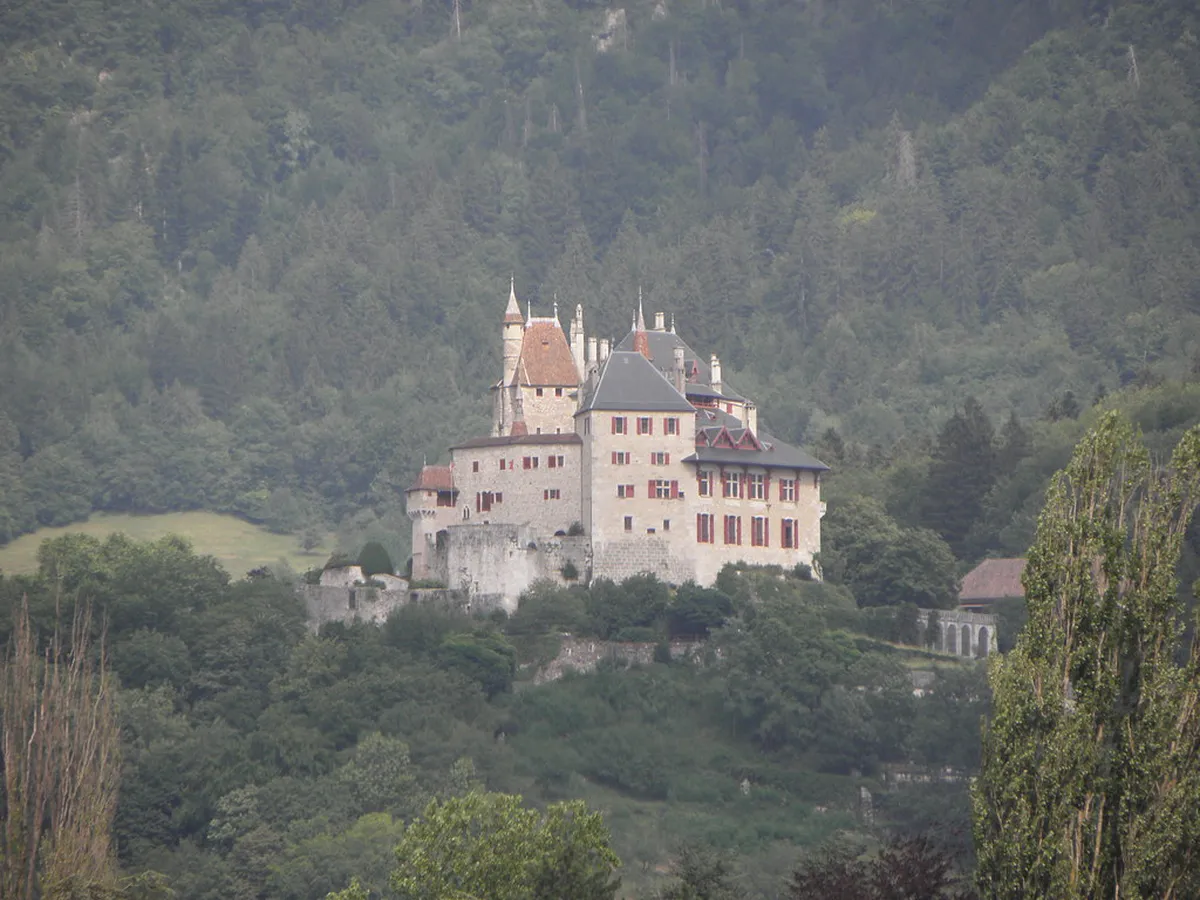
The Château d'Annecy stands proudly above the charming old town in France. This historic monument showcases a unique blend of defensive and residential styles. You can explore many distinct Château d'Annecy architectural features during your next visit. The site reflects the changing tastes of the powerful Counts of Geneva.
Construction began in the twelfth century to protect the local region. Over time, the fortress transformed into a lavish residence for noble families. It offers a fascinating look at how medieval architecture in Annecy evolved over several hundred years. Today, the castle serves as a museum dedicated to local history and art.
Visitors can see the clear transition from heavy fortification to elegant comfort. The massive stone walls contrast with the delicate details of the later wings. Walking through the gates feels like stepping back into the medieval era. It remains one of the most important landmarks in the Savoie region for 2025.
The Medieval Fortification and Queen's Tower
The oldest part of the castle is the formidable Queen's Tower. This massive structure dates back to the twelfth century for defensive purposes. Its walls are over four meters thick at the base for protection. The tower served as the primary stronghold for the early noble occupants.
You can clearly see the medieval defensive elements on the exterior walls. Small arrow slits provided protection for archers during potential enemy attacks. The rugged stonework shows the functional nature of early mountain fortress designs. These features reflect the strategic importance of the Queen's Tower during the Middle Ages.
The tower stands out due to its height and commanding presence. It offers a wide view of the surrounding lake and mountain passes. Builders used local limestone to create this durable and imposing structure. It represents the foundation of the castle's long and complex building history.
Internal chambers within the tower were once very simple and dark. High ceilings and narrow passages characterize the interior of the oldest sections. These spaces were designed for survival rather than for daily comfort or luxury. They provide a stark contrast to the later additions built for royalty.
Renaissance Château d'Annecy Architectural Features
The castle changed significantly during the sixteenth century under new ownership. The Nemours family introduced many elegant French Renaissance elements to the site. They built the Logis Nemours to serve as a grand residential wing. This addition features beautiful mullioned windows that let in abundant natural light.
Architects focused on symmetry and decorative details during this prosperous period. You will notice ornate carvings around the door frames and interior fireplaces. The grand staircases represent the wealth and status of the noble residents. These features moved the castle away from its purely military origins.
The Logis Nemours contains several large halls used for official court functions. High timber-framed ceilings create a sense of space and grandeur in these rooms. The walls often displayed expensive tapestries to keep the interior spaces warm. This wing perfectly illustrates the transition from a fort to a palace.
Outside, the facade of the Renaissance wing is much more inviting. Delicate stone moldings decorate the exterior and frame the large glass windows. This style was very popular across France during the sixteenth-century building boom. It remains a highlight for anyone studying the history of European design.
Residential Evolution in the Logis Vieux
The Logis Vieux stands as the primary residential building from the fourteenth century. It connects the medieval towers with the later Renaissance wings of the castle. This section features a mix of different stone types and building methods. You can see how the residents slowly prioritized comfort over total defense.
The ground floor contains large kitchens and storage areas for the castle staff. These rooms feature massive stone vaults that support the weight of the structure. Upper floors contain the private apartments used by the Counts of Geneva. These rooms were much more spacious than the cramped chambers in towers.
- Massive Fireplaces: Used for both cooking and heating large stony rooms.
- Timber Ceilings: Heavy oak beams support the floors in the main halls.
- Stone Latrines: Early examples of indoor plumbing built into the outer walls.
The windows in the Logis Vieux are larger than the medieval slits. However, they are still smaller than the later Renaissance openings for safety. This building serves as a bridge between two very different eras of design. It shows the gradual improvement of living conditions for the mountain nobility.
The Perrière Tower and Strategic Layout
The Perrière Tower was constructed in the middle of the fifteenth century. It stands on the southern edge of the castle complex for defense. This tower is notable for its polygonal shape and very sturdy construction. It protected the castle from attacks coming from the surrounding forest hills.
The interior of this tower features unique Gothic ribbed vaulting on several levels. This decorative detail shows that even defensive towers received some artistic attention. Builders used high-quality masonry to ensure the structure would last for centuries. It remains one of the most well-preserved parts of the entire castle.
The layout of the entire complex follows the natural shape of the hill. Buildings surround a central courtyard that served as a safe meeting place. High curtain walls connect all the various towers and residential wings together. This configuration allowed the residents to move safely between different castle sections.
The courtyard features a deep well that provided water during long sieges. You can still see the original stone paving in several areas today. This central space was the heart of daily life for the castle community. It offered a protected environment for soldiers, servants, and the ruling lords.
Stone Masonry and Building Materials Used
The builders primarily used local materials found in the nearby Alpine region. Hard limestone from the Semnoz mountain provided the bulk of the masonry. This stone is very durable and resistant to the harsh winter weather. It gives the castle its characteristic light grey and weathered appearance.
Master masons used different techniques depending on the specific era of construction. Early walls feature rough-hewn stones laid in thick beds of lime mortar. Later Renaissance sections show much finer jointing and more precise stone cutting. These differences help historians date the various parts of the complex.
Wood was also an essential material for the castle's internal structure. Local oak and pine forests provided the massive beams for the ceilings. Many of the original roof structures still remain in place after 2025 repairs. The combination of stone and wood creates a very sturdy building.
Iron decorative elements were added to the windows and gates for security. You can find original wrought iron hinges on several of the old doors. These small details highlight the craftsmanship involved in building such a large fortress. Every material was chosen for its strength and local availability at the time.
Practical 2025 Guide for Architecture Lovers
Visiting the castle in 2025 requires a bit of uphill walking. The path from the old town is steep but very scenic. You should wear comfortable shoes to explore the uneven stone floors safely. The castle is open daily except for some major national holidays.
The best views for architectural photography in Annecy are from the castle terrace. You can capture the lake and the town roofs in one shot. Try to visit during the golden hour for the best lighting effects. The stones glow with a warm color as the sun starts setting.
- Tickets: Adult entry costs approximately 5.60 Euros for the museum.
- Hours: Most days the castle opens at 10:00 AM for visitors.
- Tours: Guided tours are available in several languages during the summer.
Allow at least two hours to see all the different wings properly. The museum inside covers local history, lake ecology, and fine arts exhibits. It is a great way to learn about the wider Savoie culture. The castle remains a top priority for any visitor to the region.
Frequently Asked Questions
How old is the Château d'Annecy?
The oldest parts of the castle date back to the twelfth century. It was expanded and modified over several hundred years by different owners. The Renaissance wings were added much later in the sixteenth century for comfort.
What is the best way to see the castle architecture?
The best way is to take one of the Annecy architecture walking tours available locally. These tours provide expert details about the masonry and the history of the site. You will see hidden details that are easy to miss alone.
Is the castle accessible for people with mobility issues?
The castle is located on a steep hill with many stairs. This makes full access difficult for those with limited mobility or wheelchairs. However, some lower sections and courtyard areas are easier to reach for everyone.
What can you see inside the castle museum?
The museum features exhibits on alpine furniture and religious art from the region. You can also explore displays about the history of Lake Annecy and ecology. The architectural rooms themselves are part of the museum's primary collection.
The Château d'Annecy is a masterpiece of historic design and engineering. It showcases the evolution from a defensive fortress to a beautiful noble palace. Exploring the various Château d'Annecy architectural features provides deep insight into French history. Make sure to visit this iconic site during your 2025 trip to France. You will leave with a greater appreciation for the craftsmanship of past centuries.
Key Takeaways
- The castle features a mix of 12th-century defensive and 16th-century Renaissance styles.
- Queen's Tower is the oldest structure with walls over four meters thick.
- Logis Nemours represents the elegant shift toward comfortable residential architecture.
- Local limestone from the mountains was the primary building material used.
- The castle museum offers a comprehensive look at local history and alpine art.
Related reads: architecturebycity.com.