
Vieille Ville Annecy Urban Design: A 2025 Guide
Explore Vieille Ville Annecy urban design today. Learn about historic canals and medieval streets in this expert 2025 guide. Start your tour now!
On this page
Vieille Ville Annecy urban design blends history with natural beauty. This historic district sits at the edge of Lake Annecy. Narrow canals weave through medieval stone buildings today.
Travelers often call this stunning area the Venice of the Alps. Exploring the old town reveals centuries of smart planning. You will find vibrant colors on every street corner.
The 2025 landscape remains preserved and very walkable for visitors. Enjoy this deep dive into Annecy's unique urban layout. It is a highlight of any trip to France.
The Role of the Thiou Canal
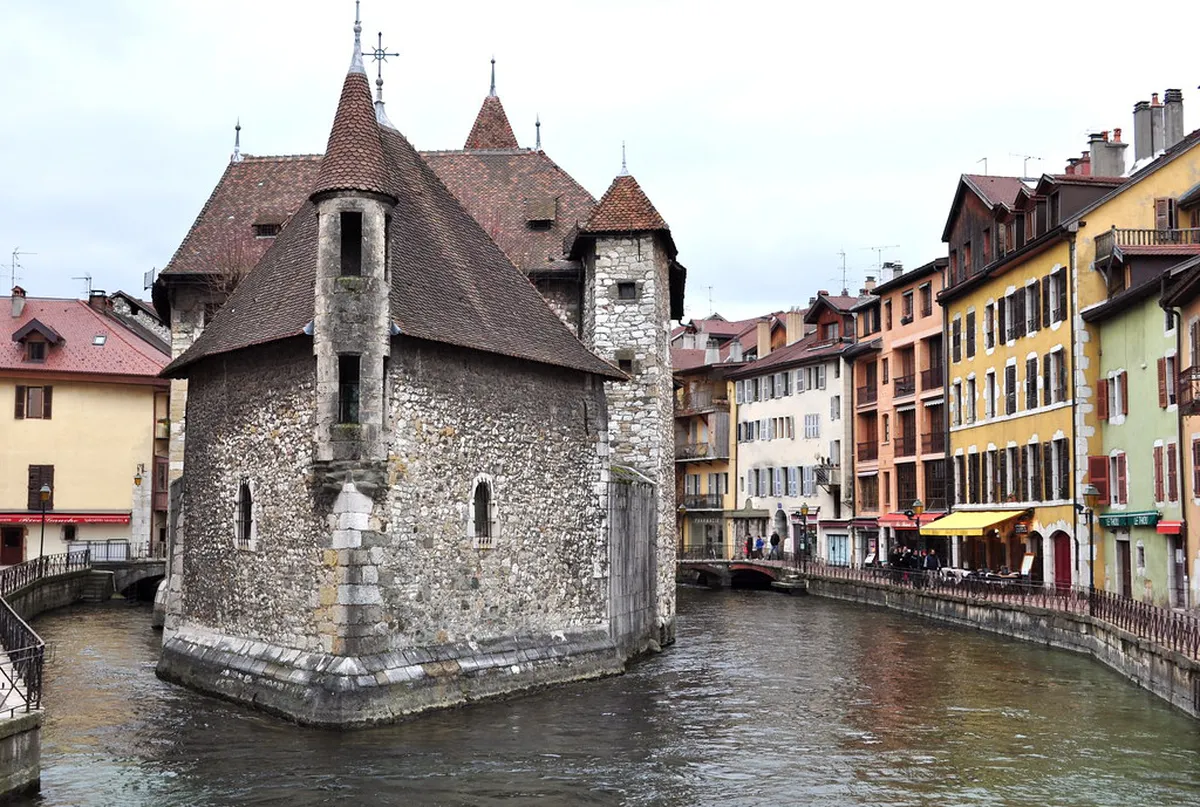
The Thiou Canal serves as the heart of the district. This natural waterway dictates the flow of the entire neighborhood. It is one of the shortest rivers in all of France.
Water management is a key part of Thiou Canal urban planning today. Bridges connect the winding paths on both sides of the water. These stone crossings provide perfect views of the historic houses.
Flowing water helps regulate the local temperature in summer. The canals also create a natural soundscape for the city. Stone walls line the banks to prevent erosion over time.
Walk along the Quai de l'Évêché for the best canal views. Many cafes place their tables right against the water's edge. This creates a lively social atmosphere in the city center.
The canal system remains incredibly clean and well-maintained. Local authorities focus on water quality throughout the entire year. This commitment keeps the Vieille Ville looking fresh and vibrant.
Medieval Street Patterns and Arcades
Walking through Annecy feels like stepping back into the past. The streets follow a dense and winding medieval layout. High stone walls offer shade during the warm summer months.
The famous Annecy arcade streets history defines the main thoroughfares. Covered walkways protect shoppers from both rain and sun. This architectural feature allows for commerce in any weather condition.
Rue Sainte-Claire serves as the primary artery of this district. Massive stone arches support the upper floors of old townhomes. These buildings often reach four or five stories high today.
The vertical nature of these buildings is a clever design. Ground floors house shops while families live in upper units. This mixed-use planning has worked well for several hundred years.
Colorful facades add a cheerful touch to the gray stone. Many residents hang bright flowers from their high wooden balconies. This creates a vertical garden effect along the narrow streets.
Defensive Landmarks as Urban Anchors
The Palais de l'Île sits in the middle of a canal. This triangular building is the most famous sight in Annecy. It once served as a prison and a courthouse.
Most tourists enjoy visiting Palais de l'Île Annecy during their trip. The structure splits the canal into two distinct water branches. It acts as a focal point for the surrounding urban design.
Looking up, you will see the majestic Château d'Annecy. This castle sits on a hill overlooking the entire district. It provided protection for the residents in the medieval era.
The steep paths leading to the castle are quite challenging. These winding ramps were designed to slow down invading armies. You get a great workout while exploring the local history.
These historic anchors keep the neighborhood grounded in its heritage. They prevent the area from feeling like a modern theme park. Modern visitors can still feel the weight of centuries of history.
Hidden Courtyards and Private Spaces
Behind the street facades lie many secret urban treasures. Exploring the hidden courtyards of Annecy is a must for 2025. These private spaces offer peace away from the busy streets.
Courtyards were originally used for storage and daily chores. They allowed light into the center of dense building blocks. Today, many have been converted into charming garden spaces.
Passageways often connect multiple streets through these interior yards. These "traboules" are common in several old French cities. They provide shortcuts for locals who know the secret routes.
The transition from public streets to private yards is fascinating. You move from loud markets into silent stone corridors. This layering of space adds depth to the urban fabric.
Many courtyards still retain their original timber-framed walls. You can see the blend of wood and stone construction. These details highlight the local craftsmanship of the past centuries.
Historical Evolution and Preservation
The Annecy medieval architecture history shows a resilient city. Fires and wars have tested these structures many times. Local leaders have worked hard to preserve the original style.
In 2025, you will notice very few modern glass buildings. The city maintains a cohesive look using traditional materials. Warm ochre and pastel colors are standard for building exteriors.
Preservation efforts extend to the stone paving on the streets. Cobblestones have been restored to ensure a historic feel. This makes the streets less suitable for modern car traffic.
Adaptive reuse is a popular trend in current urban planning. Old warehouses now function as trendy restaurants or craft shops. This breathes new life into structures that lost their purpose.
Sustainability is also a focus for the local government now. They use the canals for eco-friendly cooling in some buildings. Waste management is handled discreetly to protect the town's beauty.
Frequently Asked Questions
What makes the urban design of Annecy unique?
Annecy blends alpine water systems with dense medieval housing. The canals act as streets for water and cooling. Arcaded walkways provide a unique shelter for pedestrians.
Is the Vieille Ville accessible for travelers with mobility issues?
Most main streets are flat but paved with uneven cobblestones. Some paths leading to the castle are very steep. Many shops have small steps at their entrances.
Why are the buildings in Annecy so colorful?
The colors reflect the historic Piedmontese influence on the region. Bright paints helped brighten the narrow, shaded medieval streets. This tradition continues today to delight visitors.
Vieille Ville Annecy urban design is a masterpiece of historic planning. The mix of canals and stone arcades creates magic. You will feel the history in every narrow alleyway. Plan your visit for 2025 to see this beauty. Don't forget to take plenty of photos.
Key Takeaways
- Visit the Thiou Canal for the best urban views.
- Explore the arcades of Rue Sainte-Claire for shopping.
- Look for hidden courtyards to escape the crowds.