
Annecy Arcade Streets History: Old Town Guide
Explore the Annecy arcade streets history and urban design. Discover the medieval secrets of the Vieille Ville in 2025. Plan your French trip now!
On this page
Discover the fascinating Annecy arcade streets history in the French Alps. These covered stone paths define the unique charm of the city. Walking through them feels like stepping back into the Middle Ages. Explore the historic Vieille Ville with this expert guide for 2025.
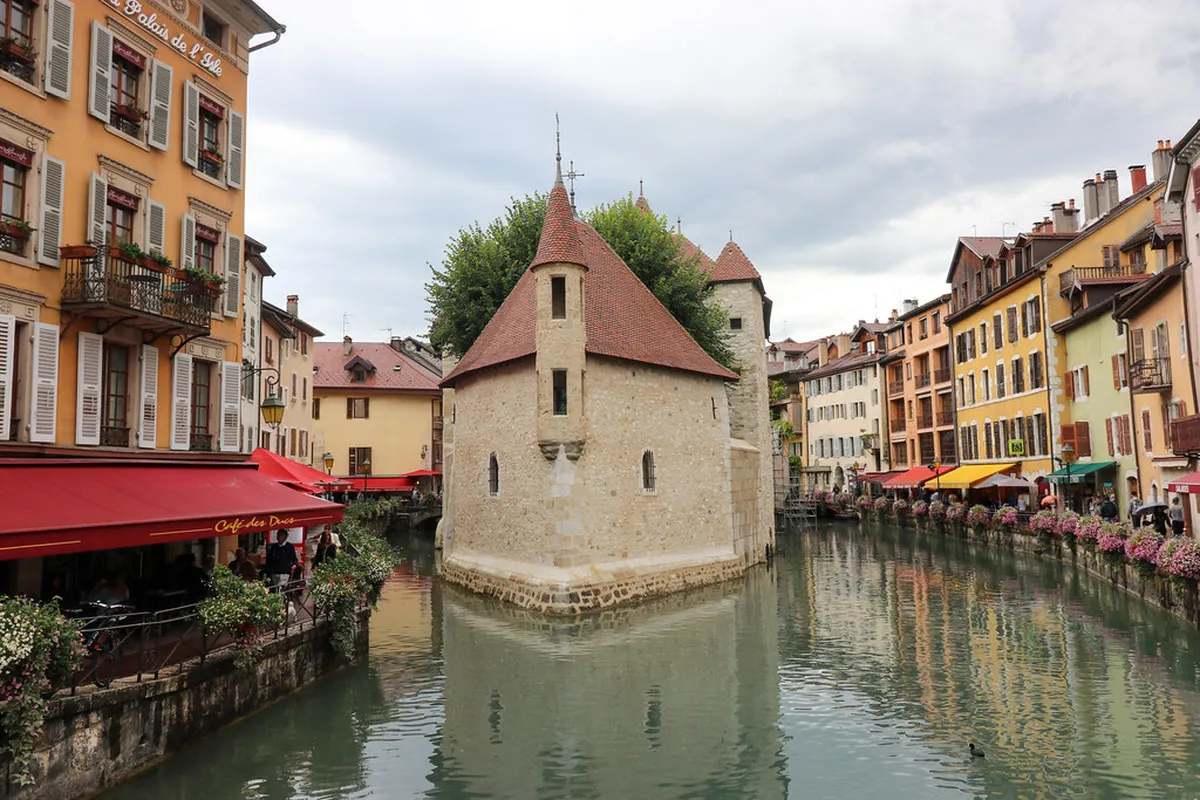
Annecy is often called the Venice of the Alps. Its narrow streets and canals create a stunning urban landscape. The arcades provide a sheltered way to enjoy this beautiful scenery. They remain a vital part of the city's architectural identity today.
The Medieval Origins of Annecy Arcades
The arcades began appearing in the late Middle Ages. Builders designed them to protect traders from heavy mountain rain. They also provided much-needed shade during the hot summer months. These structures reflect the clever Annecy medieval architecture history.
Most arcades were built between the 15th and 17th centuries. Craftsmen used local limestone to create these sturdy arches. These arches supported the upper floors of high residential buildings. This clever design maximized living space in the crowded city center.
Each archway shows unique stone masonry from that specific era. Some feature rounded tops while others appear more pointed. You can still see original tool marks on the old stones. These details highlight the incredible skills of ancient Savoyard builders.
The foundations were often built directly into the canal banks. This required immense engineering skill for that historical period. Builders had to ensure the weight was distributed very evenly. This prevented the tall buildings from sinking into the soft soil.
The arcades served as a public space for all citizens. They allowed people to move freely during heavy winter snows. This connectivity helped the town grow into a regional hub. Today, they still provide shelter for modern travelers in 2025.
Urban Design of the Vieille Ville
The Vieille Ville Annecy urban design is highly functional and compact. Narrow streets connect the canals to the main market squares. The arcades serve as the primary veins of this layout. They allowed for commerce to thrive regardless of Alpine weather.
Annecy was often called the Rome of the Alps historically. This nickname came from its many religious and civil buildings. The arcades unified the diverse architectural styles of the town. They created a cohesive visual flow along the narrow streets.
Urban planners used the Thiou River to guide the layout. Buildings were constructed right up to the water's edge. This forced the streets to remain very narrow and tight. The covered walkways became essential for public pedestrian movement.
The layout follows the natural curves of the river banks. This creates a labyrinth of charming alleys and hidden paths. Every turn offers a new view of the historic architecture. It is an amazing example of medieval mountain urban planning.
Modern visitors find the layout very easy to explore on foot. The arcades naturally lead you toward the major historical landmarks. You can walk from the castle to the lake easily. This design makes the old town feel very accessible.
Architectural Features of Rue Sainte-Claire
Rue Sainte-Claire is the most famous street in the town. It features the longest and best-preserved set of stone arcades. You can find many Rue Sainte-Claire architectural details here. Look for the colorful facades located above the arches.
The ground levels remain active with local shops today. Many stores have occupied these historic spaces for several decades. Renting a shop here in 2025 is considered very prestigious. Tourists love to browse local crafts under the stone arches.
The upper stories often feature very ornate wrought iron balconies. These add a touch of elegance to the rustic stone. Residents enjoy beautiful views of the bustling street life below. This vertical living style remains popular in modern Annecy today.
Each building on this street has a unique color palette. The pastel oranges and yellows create a warm atmosphere. These colors reflect the light coming off the nearby lake. It is the most photographed spot in the entire city.
Notice the thickness of the stone pillars along this route. They were built to support several floors of heavy masonry. The width of the sidewalk remains the same since medieval times. It is a true walk through a living museum.
Commercial Life Under the Covered Walkways
Commerce was the primary reason for building these unique arcades. Merchants displayed their goods outside while staying completely dry. This encouraged locals to shop even during the snowy winters. The streets became the social heart of the community.
You would have seen weavers and blacksmiths working here. Their shops opened directly onto the covered stone paths. This allowed for great visibility and easy customer access. It was a primitive yet effective form of a mall.
Today, the tradition of trading continues in these spots. You can buy local cheeses and fine Savoyard wines. Many artisans sell handmade lace and beautiful wooden carvings. The bustling atmosphere remains unchanged after hundreds of years.
The markets held here are famous throughout the French region. Every Tuesday and Friday, the arcades fill with fresh produce. Farmers from the mountains bring their best local goods here. It is a sensory experience involving smells and colors.
Modern cafes have replaced many of the old workshop spaces. You can sit under an arch and drink coffee. It is the best place to watch people passing by. The arcades keep the city center alive and vibrant.
Preserving Annecy Medieval Architecture History
Modern Annecy works hard to maintain its historic character. Strict heritage laws protect the 17th-century stone arches today. Renovation projects must use traditional materials and ancient techniques. This ensures the Annecy medieval architecture history survives forever.
Visitors in 2025 will notice the clean, restored stonework. Specialists regularly inspect the foundations for canal-related erosion issues. The city invests heavily in preserving these pedestrian zones. This dedication keeps the Old Town looking very vibrant.
Sustainable tourism helps fund these expensive restoration efforts annually. Travelers are encouraged to explore on foot to reduce pollution. This protects the delicate limestone from harmful traffic exhaust. Preservation is a collective effort for all Annecy lovers.
Information plaques are placed near the most significant arches. These provide historical context for interested students and tourists. You can learn about the families who built them. This connects the modern world to the medieval past.
The city limits new construction in the historical district strictly. Any new work must match the existing stone styles. This keeps the skyline consistent with the original design. It is a model for heritage conservation in Europe.
Frequently Asked Questions
Why does Annecy have so many arcade streets?
Annecy built arcades to protect residents from the mountain climate. They kept shoppers dry during rain and snow. The design also maximized housing space in a small area. This urban solution was common in many alpine regions.
Which street has the best historical arcades?
Rue Sainte-Claire is the best street for viewing arcades. It features perfectly preserved stone arches and colorful buildings. You can find many shops and restaurants along this route. It represents the heart of the historic Old Town.
Are the arcades in Annecy open to the public?
Yes, all the arcade walkways are open to the public. They serve as regular sidewalks for residents and visitors. You can walk through them at any time. Most shops under the arcades open during standard hours.
When is the best time to visit the arcades?
Early morning is the best time for photography here. The streets are quiet and the light is soft. Market days are best for experiencing the local culture. Visit in 2025 to see the latest restoration work.
How long does it take to walk the arcades?
You can walk the main arcade loop in one hour. However, most people spend more time exploring the shops. Plan for at least three hours to see everything. Don't forget to stop for a local meal.
The Annecy arcade streets history is a tale of resilience. These stone paths have sheltered locals for many centuries. Visit the Vieille Ville to see this living history. It is a must-see destination in France for 2025.
Make sure to bring comfortable walking shoes for your trip. Explore the hidden courtyards tucked away behind the stone arches. You will find magic around every corner of this city. Plan your architectural tour of Annecy today!
Key Takeaways
- Arcades were built for weather protection and commerce.
- Rue Sainte-Claire is the architectural highlight of Annecy.
- Preservation efforts ensure the medieval history remains intact.
Related reads: architecturebycity.com, architecture in annecy.