
Thiou Canal Urban Planning in Annecy France
Discover the Thiou canal urban planning in Annecy. Explore Vieille Ville Annecy urban design and water management. Plan your 2025 trip to France now!
On this page
The Thiou canal urban planning defines the beautiful and historic heart of Annecy city center. This narrow and winding river connects the large lake directly to the Fier river nearby. Visitors from around the world come to admire the unique harmony of water and stone. Understanding the design of this area reveals the rich history of the entire French region.
The canal remains a living monument to the clever engineers of the distant past ages. Modern life revolves around these waterways just as it did many hundreds of years ago. Exploring the banks of the Thiou is the best way to see the local culture. This guide explores the specific details of how the canal shaped this famous alpine city.
Evolution of Thiou Canal Urban Planning
The history of the Thiou canal began with early settlements during the medieval period. Ancient residents realized that the constant water flow could power many different types of mills. This realization led to the construction of a permanent network of canals and stone bridges. The initial development of Annecy medieval architecture history occurred along these very narrow waterways.
Urban growth was dictated by the natural topography of the land surrounding the flowing water. Engineers had to design structures that could withstand the moisture and the moving current. They used local stone and timber to create a city that lived with the river. This integrated approach allowed the town to prosper through trade and early industrial work.
During the fourteenth century, the urban design became more sophisticated and highly organized. Builders constructed houses with shared walls to maximize the limited space along the canal banks. This density created the iconic look of the old town that we still see today. Preserving these ancient structures is a priority for the local government in the year 2025.
The canal layout prevented the town from expanding too quickly into the surrounding green fields. This natural boundary helped maintain the compact and walkable nature of the historic center area. Modern planners still admire the way the old city balances density with environmental features. The Thiou remains the defining feature of the entire urban landscape in this region.
Walkways were eventually added to the canal banks to improve access for the local workers. These early paths evolved into the beautiful promenades that tourists enjoy during their summer visits. Every stone in the canal walls tells a story of survival and clever engineering work. The evolution of this space reflects the changing needs of the city over centuries.
Vieille Ville Annecy Urban Design Principles
The Vieille Ville Annecy urban design prioritizes the integration of water and public stone buildings. Architects placed structures directly over the water to maximize the available land in the center. This dense urban layout created a unique atmosphere that remains popular with global tourists today. Careful planning ensured that every building had direct access to the canal for various uses.
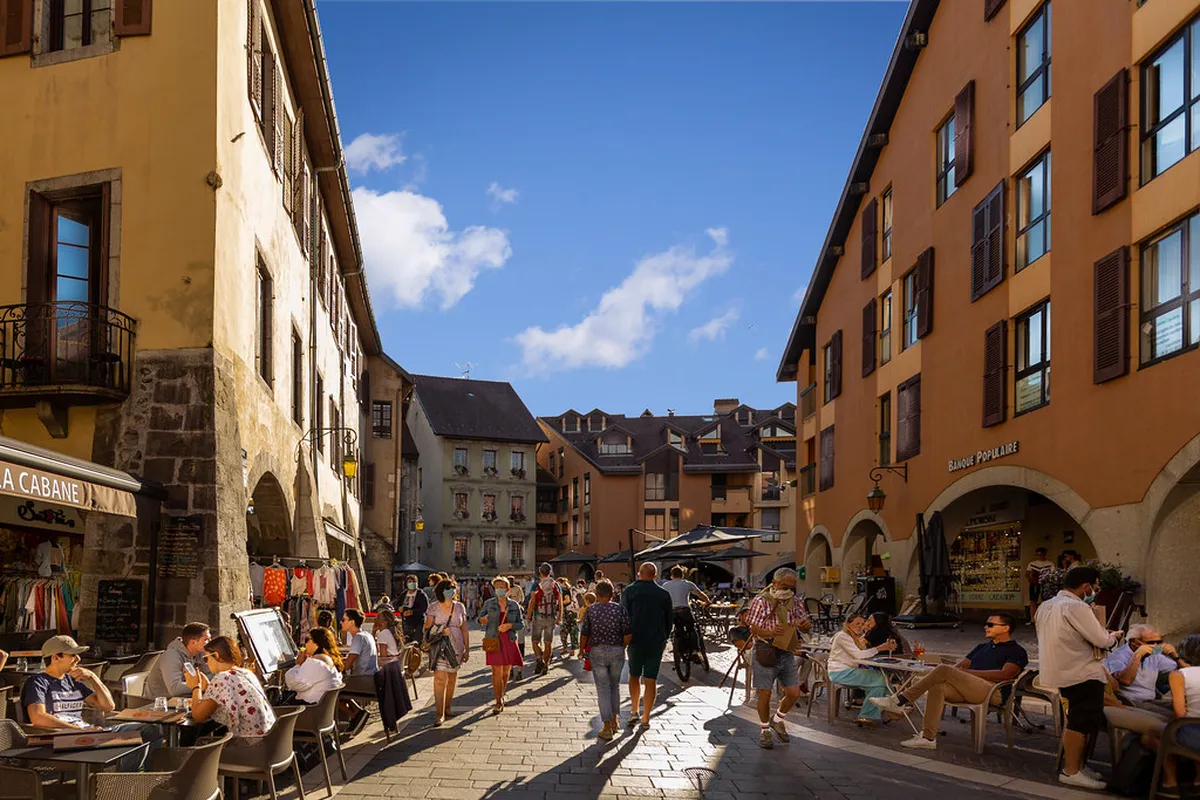
Arcaded streets are a prominent feature of the design found throughout the entire old town. These covered walkways provided shelter from the heavy alpine snow and the hot summer sun. They allowed commerce to continue regardless of the weather conditions during the cold winter months. The arcades connect the private shops to the public space of the narrow canal side.
Verticality is another key principle used by the historic builders of this famous French city. Houses were built high with many floors to accommodate the growing population of the town. Narrow windows and thick walls helped keep the interior spaces warm during the freezing winters. This vertical design created the dramatic and colorful facades that line the flowing Thiou canal.
Public squares were strategically placed at the intersections of the main canal and the bridges. These open spaces served as markets where farmers sold their produce to the local residents. They provide a necessary break in the dense urban fabric of the crowded historic district. Urban planners in 2025 still use these squares for community events and festivals.
The orientation of the buildings follows the natural curve of the river through the town. This organic design makes the city feel like a natural part of the surrounding landscape. No two buildings are exactly alike but they all share a common architectural visual language. This harmony is a direct result of strict medieval building codes and careful planning.
Industrial Heritage and Water Management
Managing the water levels requires a series of complex gates and historic stone locks today. These engineering features protect the surrounding buildings from potential flooding during heavy spring rains. Maintenance teams inspect the canal walls every year to ensure structural integrity and public safety. Modern technology helps monitor the flow rate of water from the lake into the canal.
The Thiou served as a natural defensive moat for the southern edge of the city. High walls were built to integrate perfectly with the moving water for better protection. This fusion of defense and utility shows the practical nature of early alpine urban design. Invaders found it very difficult to cross the deep and fast-moving waters of the canal.
Many old mills have been converted into modern apartments or small boutique hotels for travelers. This adaptive reuse preserves the industrial spirit of the canal while serving modern residential needs. You can still see the original wheel pits in some of the oldest canal buildings. These details remind us of the time when water was the main source of power.
Pollution control is a major part of modern water management in the Annecy city center. The city uses advanced filtration systems to keep the Thiou clean for the local fish. Clean water is essential for maintaining the beauty and health of the entire urban ecosystem. Visitors often comment on the crystal clear quality of the water flowing through the town.
Bridges serve as vital links between the two sides of the historic and narrow canal. Each bridge was designed to handle specific types of traffic during different historical eras. Some bridges are made of heavy stone while others feature decorative ironwork from later periods. They are perfect spots for photography and viewing the surrounding colorful architecture styles.
Modern Connectivity and Public Spaces
Today the canal serves as a central public space for both residents and international visitors. The architecture in Annecy is easily explored along the wide pedestrian paths by the water. Planners have added comfortable benches and modern lighting to enhance the visitor experience at night. These improvements make the canal area a safe and inviting place for evening strolls.
Cycling paths have been integrated into the canal network to encourage sustainable travel through the city. These paths connect the lake front to the outer residential neighborhoods of the growing town. Residents enjoy the flat terrain and the beautiful scenery during their daily bike commutes. The design prioritizes people over cars to reduce noise and air pollution in the center.
Small parks and gardens have been created in the gaps between the ancient stone buildings. These green spaces provide shade and a place to rest for tired tourists and locals. Flowering plants hang from the bridges and balconies to add color to the gray stone walls. The combination of water and greenery creates a peaceful atmosphere in the busy city center.
Accessibility is a major goal for the current urban planning projects along the Thiou canal. New ramps and elevators have been installed to help people with limited mobility reach the water. These modern additions are carefully designed to blend in with the historic surroundings of the area. Everyone should have the opportunity to enjoy the beauty of this unique urban environment.
Signage and information boards help educate visitors about the history and design of the canal. These boards explain the engineering of the locks and the purpose of the historic buildings. Educational tourism is growing in popularity and the city provides excellent resources for all guests. Learning about the past helps people appreciate the preservation efforts of the current generation.
Economic Impact of the Canal Design
The canal was the primary economic engine for the region for several hundred successful years. Textile factories and paper mills lined the banks to utilize the steady hydraulic power provided. This industrial legacy is still visible in the massive stone foundations of many old buildings. The urban landscape reflects a time when water was the most valuable resource for survival.
Tourism has replaced industry as the main source of income for the canal-side businesses today. Restaurants and cafes use the scenic views to attract customers from all around the world. The urban design creates a romantic setting that is perfect for dining by the water. Local shops benefit from the high volume of foot traffic along the historic canal paths.
Real estate values in the old town are among the highest in the entire French country. Living near the Thiou is considered a great luxury due to the beauty and history. Modern renovations must follow strict guidelines to preserve the historic character of the expensive properties. This ensures that the economic value of the area remains high for many future years.
Boating on the canal is restricted to protect the stone walls and the local water quality. Small electric boats are sometimes used for maintenance or for special guided tours of the city. These restrictions help maintain the peaceful nature of the canal for the people living nearby. The city balances the needs of business with the requirements of historic preservation efforts.
The canal acts as a natural cooling system for the city during the hot summer months. This environmental benefit reduces the need for expensive air conditioning in the old stone buildings. Cooler temperatures make the outdoor dining areas more comfortable for the many summer tourists visiting. The urban design provides both economic and ecological advantages for the entire Annecy community.
Preservation Challenges for 2025
Future urban planning goals for 2025 focus on preserving the delicate balance of the environment. City officials want to reduce pollution while increasing the number of green spaces nearby. Climate change presents new challenges for managing the water levels of the famous Thiou canal. Heavy storms can cause the water to rise quickly and threaten the old stone foundations.
Protecting the masonry from the constant erosion caused by moving water is a difficult task. Specialist masons use traditional techniques to repair the underwater sections of the ancient canal walls. These repairs are expensive but necessary to prevent the collapse of the historic urban fabric. The city invests a significant portion of its budget into these vital maintenance projects.
Balancing the needs of the residents with the demands of the tourism industry is tricky. Too many visitors can lead to overcrowding and the degradation of the local public spaces. Planners are looking for ways to distribute the tourists more evenly across the entire city. New attractions are being developed outside the immediate canal zone to reduce the daily pressure.
Innovation in lighting and waste management will help modernize the canal without ruining its charm. Solar-powered lights are being tested to reduce energy consumption along the public walkways and paths. Underground waste systems help keep the narrow streets clean and free of bad smells for residents. These modern solutions respect the history while improving the quality of life for everyone.
Community involvement is essential for the success of any new urban planning project in Annecy. Residents are encouraged to share their ideas for the future of the Thiou canal area. Public meetings help ensure that the needs of the local people are always considered first. The goal is to create a city that is beautiful and functional for generations.
Frequently Asked Questions
Why is the Thiou canal important for urban development?
The canal provided power for mills and factories for several hundred years of local history. It also acted as a natural defense system against invaders during the medieval period in France. Urban planners used the canal to define the layout of the streets and public squares.
How does the city manage the water flow today?
Engineers use a series of sluice gates to control how much water leaves the lake. This system prevents the old town from flooding during the heavy rains of the spring season. Constant monitoring ensures that the water levels remain safe for all the nearby historic buildings.
Can you walk along the entire length of the canal?
Pedestrian paths follow the water from the lake shore to the edge of the city. These trails offer a peaceful way to see the different architectural styles of the urban area. Most of the paths are flat and accessible for people of all different fitness levels.
What makes the urban design of Annecy unique?
The city features buildings constructed directly over the water and many beautiful covered arcade streets. This dense and integrated design is rarely found in such a well-preserved state in Europe today. The harmony between the alpine mountains and the flowing water creates a very special urban environment.
The Thiou canal urban planning makes Annecy one of the most beautiful cities in the entire world. It combines historic engineering with modern public spaces for everyone to enjoy in the year 2025. Visit the old town to experience the unique harmony of water and ancient stone buildings. We hope this guide helps you plan your next architectural adventure in the French Alps.
Key Takeaways
- Thiou canal urban planning integrated industrial needs with medieval city defense and residential growth.
- Modern pedestrian paths make the historic architecture accessible to all visitors in the year 2025.
- Preserving water quality and stone structures remains a top priority for local Annecy urban planners.
Related reads: architecturebycity.com, annecy arcade streets history, rue sainte claire architectural details.