
Halles Centrales Dijon Iron Architecture Guide
Explore the Halles Centrales Dijon iron architecture and its Eiffel roots. Visit this historic 2025 landmark for local food and culture today!
On this page
Dijon serves as a vibrant hub of French culture and history. The Halles Centrales stands as a masterpiece of design. It showcases the best of 19th-century industrial building methods. Discover the unique Halles Centrales Dijon iron architecture in the city center.
This market hall is more than just a place to buy food. It represents a major shift in French urban building styles. Visitors admire the stunning glass and metal frame every day. It remains a top site in Burgundy for 2025 travelers.
The structure covers a vast area in the historic heart of Dijon. It offers a perfect blend of utility and artistic beauty. The hall provides a glimpse into the industrial past of France. You will find incredible local flavors under its iron roof.
The Industrial Origins of the Market Hall
The construction of this iconic market began in 1873. Builders finished the massive project in 1875. The design follows the famous Baltard style of iron halls. This style was very popular in Paris during that era.
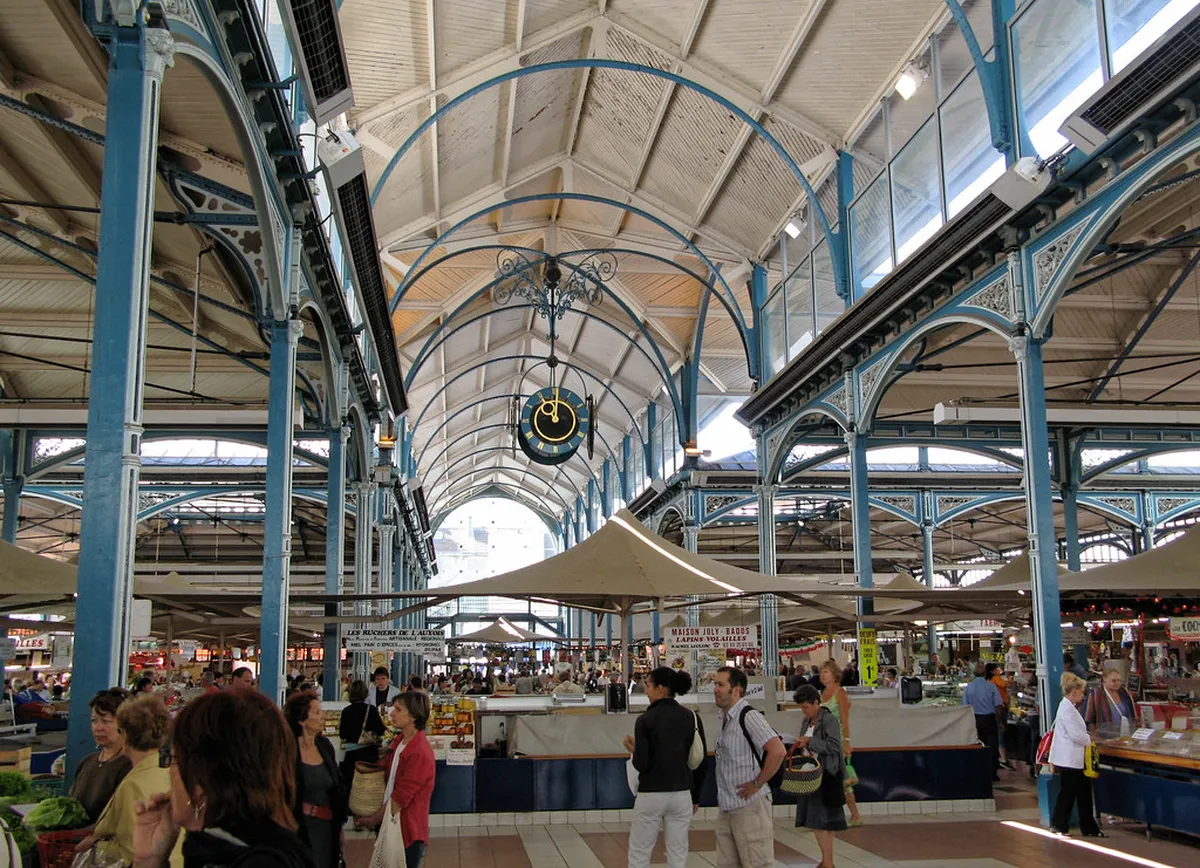
The city needed a modern space for trading fresh local goods. They chose a site near the ancient heart of the town. Architects used cast iron and glass to create a bright space. This allowed natural light to flood the interior market stalls.
Iron was the preferred material for its strength and fire resistance. It allowed for large spans without many bulky stone pillars. The hall covers over four thousand square meters of space. It remains a sturdy symbol of late nineteenth-century engineering.
Today, the building still serves its original purpose for the city. It hosts hundreds of vendors and thousands of visitors each week. The iron frames have been carefully preserved over the decades. Maintenance keeps the structure safe and beautiful for future generations.
The Gustave Eiffel Dijon Connection
Many visitors ask about the famous engineer Gustave Eiffel. He was born in Dijon and maintained strong local ties. His influence is visible throughout the ironwork of his home city. Many people study the Gustave Eiffel Dijon connection when they visit.
The construction of the market involved the Eiffel company foundry. These workshops produced the intricate metal parts for the hall. The assembly required precision and advanced metallurgical knowledge. Workers joined the pieces using techniques pioneered by Eiffel's team.
Eiffel's legacy lives on in the skeleton of this grand building. The design reflects the same principles used for his famous tower. Strength, lightness, and elegance define the entire iron structure. It serves as a tribute to his revolutionary engineering spirit.
Seeing the hall helps you understand his impact on French design. The repetitive patterns of the iron beams create a visual rhythm. This aesthetic became a hallmark of the French industrial revolution. It is a must-see for fans of classic metal architecture.
Unique Architectural Features and Motifs
The Halles Centrales features detailed animal motifs on its spandrels. You can see figures of game and poultry in metal. These carvings represent the goods sold within the market stalls. They add a touch of whimsy to the industrial frame.
The central roof rises to a height of thirteen meters. Four large pavilions connect to form the massive covered square. Each section features large glass panels to provide ample light. The height ensures excellent ventilation for the fresh food market.
The use of brick alongside iron adds warmth to the design. Yellow and red bricks create patterns on the exterior walls. This contrast highlights the dark lines of the iron pillars. It creates a striking look that defines this UNESCO World Heritage site district.
Walk around the exterior to see the grand arched entrances. Each gate welcomes visitors into a world of sensory delights. The ironwork looks delicate but supports a very heavy roof. This balance of form and function is truly impressive.
Photographers love the shadows created by the metal lattice work. Morning light produces dramatic patterns across the stone floors. You should bring a camera to capture these unique details. The building looks different at every hour of the day.
Visiting the Market in 2025
The market is open on Tuesdays, Fridays, and Saturdays in 2025. It also operates on Thursday mornings for specific local products. Plan to arrive early to see the best fresh produce. The stalls usually close by one in the afternoon.
You can find the market at the Place de la Banque. It sits within easy walking distance of the main square. Most visitors include it in an architectural walking tour of the city. The area is mostly pedestrian-friendly and very safe.
During the summer months, look for the Brunch des Halles. This special event happens every Sunday from May to September. Local chefs prepare gourmet meals inside the historic iron structure. It is a fantastic way to experience the local culture.
- Opening Hours: 7:30 AM to 1:00 PM
- Best Days: Tuesday and Saturday for full market size
- Location: Rue Bannelier, 21000 Dijon, France
- Entry Cost: Free to enter and explore
Inside, you will find famous Burgundy mustard and local cheeses. Vendors are often happy to share stories about their products. Bring a reusable bag for your delicious regional food finds. The atmosphere is always lively and full of energy.
Frequently Asked Questions
Was Halles Centrales Dijon designed by Gustave Eiffel?
The market was designed by the architect Clement-Wulfran Poisson. However, the ironwork was manufactured by the Eiffel company workshops. This creates a strong link between the building and Gustave Eiffel. He was a native of the city of Dijon.
What are the best days to visit the market in 2025?
Tuesday and Saturday are the best days for a visit. These days feature the largest number of vendors and products. The market is also open on Friday with many stalls. It usually operates from early morning until early afternoon.
Can I take photos inside the Halles Centrales?
Yes, photography is allowed and encouraged inside the market hall. The iron architecture provides a beautiful backdrop for travel photos. Please be respectful of the vendors while taking your pictures. The light is best during the mid-morning hours.
What typical Burgundy products can I buy there?
You will find a wide variety of local Burgundy items. Look for authentic Dijon mustard and Epoisses cheese during your visit. Fresh seasonal fruits and vegetables are available from local farmers. The market also sells high-quality meats and regional wines.
The Halles Centrales is a true icon of Dijon history. Its iron architecture remains a testament to French industrial genius. You should definitely visit this landmark during your 2025 trip. It offers a unique mix of history and local food. Enjoy the sights and sounds of this historic market hall today.
Key Takeaways
- Visit on Saturdays for the most vibrant market experience.
- Look for the intricate animal carvings in the ironwork.
- Check out the Eiffel foundry stamps on the metal beams.
- Try the Sunday brunch during the summer season in 2025.
Related reads: architecturebycity.com.