
Dijon Architectural Walking Tour: 2025 City Guide
Plan your Dijon architectural walking tour today. Explore medieval timber houses, Gothic cathedrals, and Renaissance palaces in 2025. Start your French journey now!
On this page
Dijon serves as a stunning living museum of French history and classic design for visitors in 2025. This historic city features a unique blend of medieval timber houses and grand limestone palaces from the Dukes. You will find that a Dijon architectural walking tour offers the best way to see these sites. The compact city center makes it very easy to explore the most famous landmarks on foot today.
The capital of Burgundy holds centuries of secrets within its ancient stone walls and colorful tiled roofs. You can walk through narrow cobblestone streets that have remained unchanged for over five hundred years already. Many travelers choose this destination specifically for its well-preserved historical district and impressive artistic heritage. You should prepare your camera for a day filled with incredible sights and unique local character.
This itinerary focuses on the most significant structures located within the protected UNESCO world heritage zone. Each stop on this tour highlights a specific era of French construction and artistic evolution over time. You will learn about the powerful Valois Dukes who once ruled this vast and wealthy region. Let us begin our journey through the heart of this magnificent French city right now.
The Palace of the Dukes of Burgundy
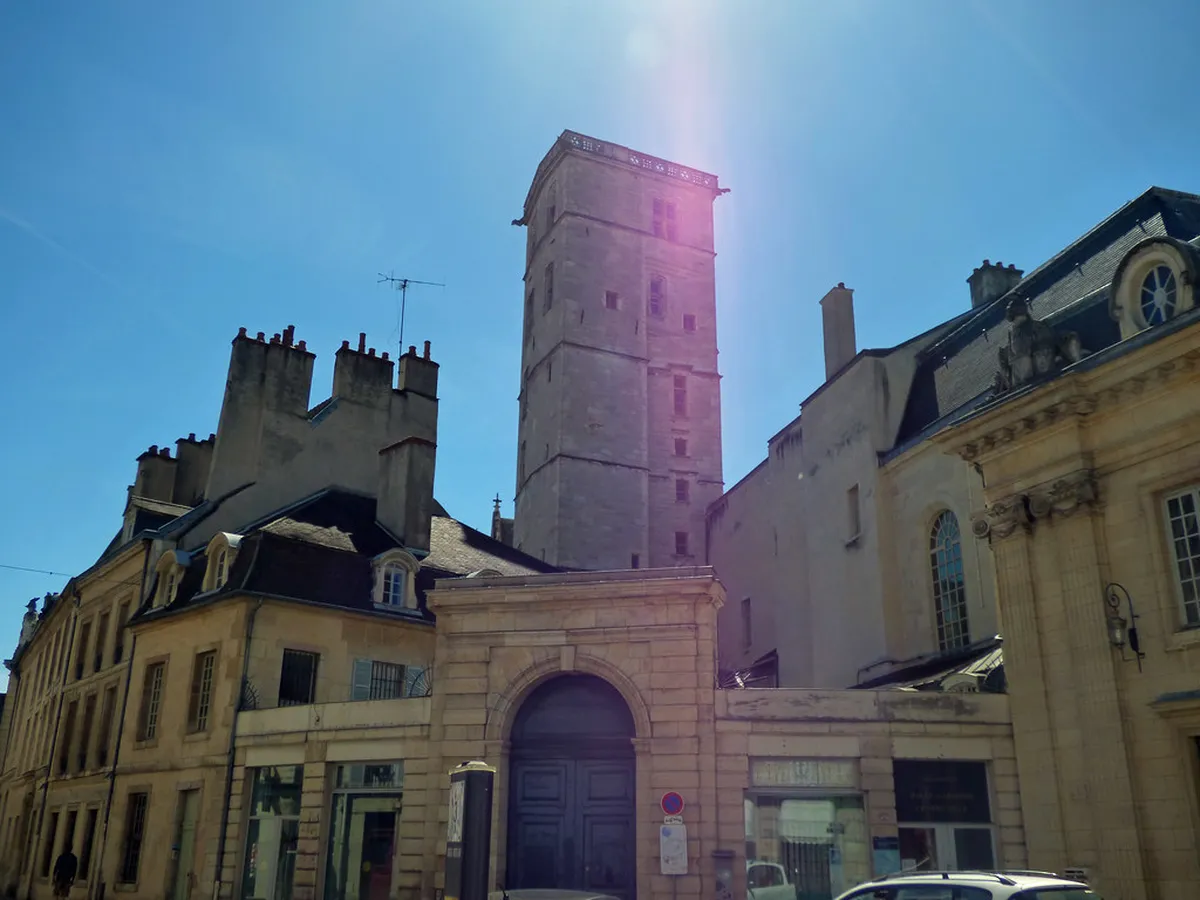
Your walking tour must begin at the grand Place de la Libération in the city center. This semi-circular square highlights the prestige of the palace of the dukes of burgundy architecture styles. The massive limestone complex currently houses the city hall and the famous Museum of Fine Arts. You can admire the towering Philippe le Bon tower which dominates the local skyline today.
The palace showcases a mix of Gothic and Neoclassical elements from different periods of French history. You should look for the 15th-century kitchens that represent the height of medieval culinary design. Admission to the main courtyard remains free for all visitors throughout the entire year of 2025. The surrounding square offers many cafes where you can sit and study the detailed facade work.
Climbing the Philippe le Bon tower provides a panoramic view of the entire historic district below. The climb costs approximately five euros and requires a reservation at the local tourist office nearby. You will see how the palace integrates seamlessly into the surrounding urban fabric of the city. This site represents the political power that once rivaled the kings of France for many centuries.
Notice the intricate stone carvings that decorate the western wing of this massive architectural masterpiece. These details reflect the immense wealth and artistic patronage of the Burgundian court during the Middle Ages. The building remains a symbol of civic pride for the people living in Dijon today. It is truly the crown jewel of any serious architectural study in the region.
Gothic Splendor at Notre-Dame de Dijon
Walking north from the palace leads you directly to the Church of Notre-Dame de Dijon. This 13th-century masterpiece represents the finest example of burgundy gothic architecture style currently standing in France. The facade is famous for its three rows of realistic gargoyles that serve as decorative waterspouts. You will notice the intricate clock tower called the Jacquemart which was brought from Belgium.
The interior of the church features soaring ribbed vaults and beautiful stained glass windows from the 1200s. You should look for the small stone owl carved into the exterior north wall of the building. Locals believe that touching this owl with your left hand will bring you good luck and health. The owl has become an unofficial symbol of the city for many modern travelers and residents.
The verticality of the Gothic design creates a sense of awe for anyone who steps inside the nave. Entrance to the church is free although donations for maintenance are always welcomed by the local parish. You should visit during the morning hours to see the light filter through the ancient colored glass. This building demonstrates the engineering prowess of medieval masons who worked with local Burgundy stone.
The exterior gallery features delicate columns that create a play of light and shadow across the front. This design was revolutionary for its time and influenced many other religious buildings across northern Europe. Take a moment to sit in the quiet square behind the church to admire the structural buttresses. It remains a peaceful spot to reflect on the history of this spiritual and artistic landmark.
Medieval Timber-Framed Houses of Rue de la Verrerie
Continue your tour by walking toward the picturesque Rue de la Verrerie located just behind the Gothic church. This narrow street contains the best-preserved medieval timber-framed houses in dijon from the 15th century. You will see overhanging upper stories that were designed to protect the lower levels from rain. The colorful wooden beams create a striking pattern against the white plaster of the historic walls.
These structures originally served as workshops and homes for the wealthy merchants of the medieval city. You can find many antique shops and local artisan boutiques operating within these historic buildings today. The street feels like a step back in time due to its lack of modern vehicle traffic. It is the perfect place to study the domestic architecture of the middle class in Burgundy.
Observe how the timber frames are joined together using traditional wooden pegs without any metal nails. This flexible construction method allowed the houses to settle over time without collapsing onto the street. Many of these buildings have been carefully restored to preserve their authentic medieval appearance for future generations. You can spend an hour wandering through the small alleys that connect this street to others.
- Look for the Maison de Maillard with its intricate stone carvings.
- Visit the Rue des Bons Enfants for more examples of timber framing.
- Check the corner of Rue de la Chouette for unique historical details.
The atmosphere in this district remains vibrant and full of local life during the 2025 season. Photographers will find endless subjects among the crooked lines and weathered textures of the old wood. You should explore the small courtyards that are occasionally open to the public during the daytime. These hidden spaces often contain beautiful stone staircases and small gardens from the late medieval era.
Renaissance Mansions and the Rue des Forges
The Rue des Forges is home to some of the most elegant renaissance mansions in dijon today. This street was once the primary residence for the city's nobility and high-ranking government officials. You can admire the Hôtel de Chambellan which features a magnificent courtyard and a spiral stone staircase. The transition from medieval styles to Renaissance refinement is very evident in these grand private homes.
The facades on this street often feature ornate stone carvings and classical motifs like lions and floral wreaths. You will notice that the windows are larger and more symmetrical than those found in earlier medieval buildings. These architectural changes reflected the new humanist values and artistic trends coming from Italy during that time. Many of these mansions now house boutiques or administrative offices for the regional government.
Walking along this street allows you to see the evolution of residential luxury in the 16th century. The Hôtel Catin de Richemont is another excellent example of the sophisticated design found in this historic district. You should pay close attention to the decorative doorways and the massive wooden gates of the courtyards. Most courtyards remain private but some are open during the European Heritage Days in September.
The craftsmanship involved in these stone mansions shows the high level of skill possessed by local masons. You can see how they used the golden-hued limestone to create delicate ornaments and strong structural forms. This street remains one of the most prestigious addresses in the city for shopping and history lovers. It provides a clear contrast to the simpler timber-framed houses found in the neighboring quarters.
The Iconic Glazed Tile Roofs of Burgundy
No tour of the city is complete without examining the famous dijon glazed tile roofs guide and history. These colorful geometric patterns are made using terra cotta tiles glazed with lead and mineral pigments. You will see these striking roofs on major landmarks like the Saint-Bénigne Cathedral and the Hôtel de Vogüé. The patterns often include green, yellow, black, and red colors arranged in beautiful diamond shapes.
This style of roofing became a status symbol for the wealthy elite and religious orders in Burgundy. The tradition started in the 14th century and reached its peak of popularity during the Renaissance period. You can see these roofs from various high points around the city including the palace tower. They represent the artistic flair that distinguishes Burgundy from other regions in central and northern France.
The tiles are fired at high temperatures to create a durable and waterproof surface for the buildings. This technique was both practical and decorative for the large churches and mansions of the historic city. You should visit the Saint-Bénigne Cathedral to see one of the largest examples of this roofing style. The cathedral also features a Romanesque crypt that dates back over one thousand years to the early church.
Modern craftsmen still use traditional methods to restore these colorful roofs and maintain the city's unique aesthetic. You might see ongoing restoration work on various rooftops as you walk through the historic center in 2025. These roofs glisten in the sunlight and provide a vibrant splash of color against the stone walls. It is an essential element of the architectural identity of the entire Burgundy region today.
Frequently Asked Questions
How long does a Dijon architectural walking tour take?
A typical self-guided tour of the main sites takes about three to four hours to complete. You should allow extra time if you plan to enter the museums or climb the palace tower. Most visitors find that a half-day is sufficient to see the major architectural highlights comfortably.
Are the historic sites in Dijon accessible for everyone?
The historic center of Dijon is largely flat and pedestrian-friendly for most travelers in 2025. However, the medieval streets can have uneven cobblestones that might be difficult for some wheelchairs. Many major monuments have installed ramps or elevators to improve accessibility for all visitors recently.
What is the best time of day for architectural photography?
Early morning light provides the best shadows for highlighting the stone carvings on the Gothic facades. Late afternoon is ideal for capturing the vibrant colors of the glazed tile roofs in the city. You will also find fewer crowds in the streets if you start your tour before nine o'clock.
Is there a specific path to follow for the owl trail?
The city has installed bronze owl plaques in the pavement to guide tourists through the historic center. Following these plaques will lead you to twenty-two different architectural and historical points of interest. It is a very convenient way to ensure you do not miss any major city landmarks.
Dijon is a city that rewards those who take the time to look closely at its buildings. From the grand Ducal Palace to the tiny stone owl, every corner tells a unique historical story. You can easily spend several days exploring the different layers of design found in this French capital. We hope this itinerary helps you plan a memorable Dijon architectural walking tour during your 2025 trip. Start your adventure today and discover the timeless beauty of Burgundy for yourself.
Key Takeaways
- Start your tour at the Palace of the Dukes for the best historical context.
- Look for the lucky stone owl on the side of Notre-Dame Church.
- Explore Rue de la Verrerie to see authentic medieval timber-framed houses.
- Budget about five euros and book ahead to climb the Philippe le Bon tower.
- Don't miss the colorful glazed tile roofs on the Saint-Bénigne Cathedral.
Related reads: architecturebycity.com, architecture in dijon.