
Burgundy Gothic Architecture Style in Dijon
Explore the unique Burgundy Gothic architecture style in Dijon. Plan your 2025 visit to see historic French monuments and glazed roofs. Read our guide now!
On this page
Dijon stands as a grand monument to medieval power and artistic vision. This French city showcases the stunning Burgundy Gothic architecture style throughout its center. Travelers visiting in 2025 will find a beautifully preserved and historic urban landscape. This regional style reflects the immense wealth of the famous Burgundian Dukes.
The city serves as a living museum for fans of medieval design. You will see intricate stone carvings and colorful roofs on every corner. Understanding this style requires looking closely at the local limestone and history. It represents a unique branch of the broader French architectural movement.
Core Features of Burgundy Gothic
The Burgundy Gothic architecture style differs greatly from the High Gothic found in Paris. It emphasizes strong horizontal lines rather than focusing on extreme vertical height. Many regional churches often feature a much shorter and more compact silhouette. This specific design creates a sense of solid permanence and great structural strength.
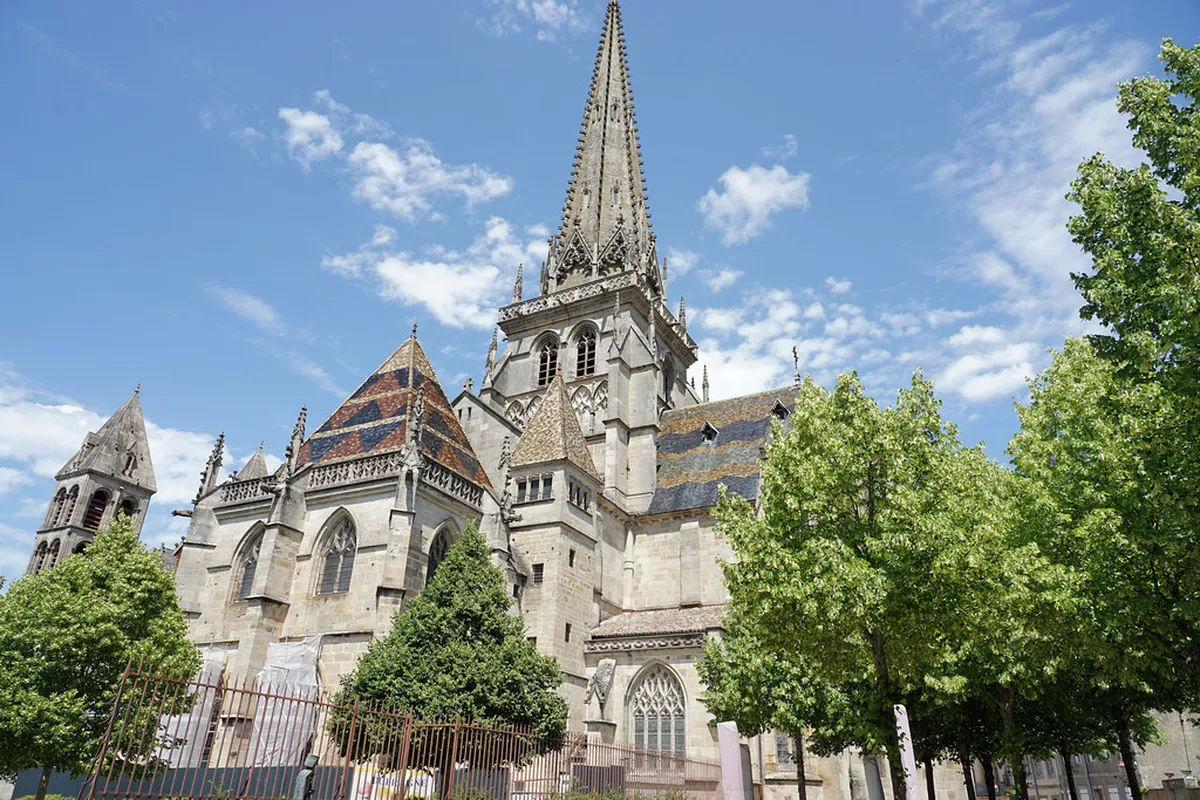
Glazed tile roofs remain the most famous and recognizable regional architectural trademark. These colorful geometric patterns decorate many of the historic roofs found in Dijon. You can learn more in our guide to Dijon glazed tile roofs today. This unique feature adds a vibrant splash of color to the grey stone.
Gargoyles also play a massive role in this specific regional building style. They serve both functional drainage needs and decorative symbolic purposes for the church. Many facades in Dijon feature long rows of these expressive stone carvings. They reflect the quirky and imaginative nature of the local medieval craftsmen.
Large porches and triple portals are common features in Burgundian Gothic churches. These grand entrances welcome visitors and highlight the importance of the sacred building. Carvings on these portals often depict complex stories from the Holy Bible. This detail helped to educate the public during the Middle Ages.
Notre-Dame de Dijon Masterpiece
Notre-Dame de Dijon is the finest example of this specific regional style. It was built between 1230 and 1250 in the heart of Dijon. This church stands out for its unique flat facade and many gargoyles. It remains a must-visit site for any architecture enthusiast in 2025.
The facade features 51 individual gargoyles arranged in three distinct horizontal rows. These figures represent various human emotions and many different mythical stone creatures. You can explore the Notre-Dame de Dijon gargoyles during your walk. They are famous for their remarkably expressive and detailed stone faces.
Inside, the church maintains a sense of elegant and very refined simplicity. The large windows allow soft light to fill the entire sacred space. Slender columns support the high vaulted ceilings with perfect and graceful precision. This interior reflects the sophisticated engineering skills of the 13th century.
The church also houses the legendary and very small Owl of Dijon. This stone carving sits on a side wall outside the main building. Locals believe rubbing the owl with your left hand brings good luck. It is a beloved symbol of the city's rich architectural heritage.
Palace of the Dukes and Estates
The Palace of the Dukes is a massive architectural complex in Dijon. It combines medieval Gothic elements with many later and grand classical additions. This building served as the seat of power for several centuries. It showcases the evolution of the Palace of the Dukes of Burgundy architecture over time.
The Philippe le Bon Tower provides the best Gothic views available today. This 15th-century tower rises 46 meters above the historic city floor. Climbing the 316 steps costs approximately 5 Euros for each adult visitor. The view from the top reveals the city's unique roof patterns.
The Great Hall remains a highlight of the original medieval palace interior. It features impressive Gothic vaulting and massive, highly decorative ceremonial stone fireplaces. This room once hosted grand feasts for the powerful Burgundian nobility. Today, it houses part of the local Fine Arts Museum collection.
The palace faces the semicircular and very grand Place de la Libération. This square highlights the transition from Gothic to more modern Neoclassical styles. It creates a grand entrance to the heart of the historical district. Many cafes here offer views of the palace’s stunning stone facade.
Other Notable Gothic Sites in Dijon
The Cathedral of Saint-Bénigne offers a different take on local Gothic design. It was originally built as a large abbey church in the 13th century. The building features a massive crypt dating back to the Romanesque era. This site demonstrates the transition between several different architectural periods.
Saint-Michel Church provides another fascinating look at local medieval construction techniques. Its facade blends late Gothic elements with early and elegant Renaissance styles. The three portals feature incredibly detailed carvings from the early 16th century. This church stands at Place Saint-Michel in the eastern district.
Timber-framed houses also dot the narrow streets surrounding these grand churches. These private residences reflect the Gothic aesthetic on a much smaller scale. Many feature carved wooden beams and narrow, vertical window stone frames. You can see these on a detailed architectural tour of Dijon.
The Rue des Forges contains some of the best private Gothic mansions. These buildings once belonged to wealthy merchants and important local officials. Look for the Maison Maillard with its very intricate stone facade. It showcases the luxury available to the city's medieval merchant elite.
Materials Used in Burgundy Gothic
The primary material for these structures is the famous Pierre de Bourgogne. This local limestone is known for its warm and creamy yellow color. It is soft enough to carve but very durable over centuries. This stone gives the city of Dijon its characteristic golden glow.
Quarries located near the city provided a steady supply of this material. Transporting the heavy stone was easier because the sources were very close. This proximity allowed for more ambitious and highly detailed building projects. Architects could afford to use large blocks for the massive foundations.
Ironwork also played a role in the later Gothic structures in Dijon. Decorative gates and window bars often featured complex and swirling floral designs. These metal elements added another layer of texture to the stone buildings. They represent the high level of craft found in medieval workshops.
The use of lead for roofing was also common in this era. While the glazed tiles are more famous, lead provided essential waterproofing. You can still see lead details on many church spires today. These materials have stood the test of time for many centuries.
Planning Your 2025 Architectural Tour
Spring and fall are the best times to visit historic Dijon. Temperatures usually range from 12°C to 22°C during these pleasant seasons. These months offer clear light for photographing the many stone buildings. Most major monuments are open daily from 10:00 AM to 6:00 PM.
Walking is the best way to explore the entire historic center. The city is mostly flat and pedestrian-friendly for all holiday visitors. Follow the Owl's Trail brass plaques located in the city sidewalk. This self-guided architectural walking tour covers 22 major historical sites.
Many museums in Dijon offer free admission to their permanent collections. This includes the Museum of Fine Arts inside the Ducal Palace. Guided tours of specific towers may require advance booking online. Expect to pay 5 to 10 Euros for these specialized tours.
Dijon is easily reachable by TGV train from the city of Paris. The journey takes only 1 hour and 35 minutes by rail. Staying in the old town allows for easy and pleasant strolls. The illuminated Gothic buildings look stunning under the dark night sky.
Frequently Asked Questions
What defines the Burgundy Gothic architecture style?
It focuses on horizontal lines and compact, strong structures. It also features unique colorful glazed tile roofs. These elements distinguish it from the vertical Gothic of Paris. You will see these features throughout the center of Dijon.
Which church in Dijon has the best Gothic gargoyles?
Notre-Dame de Dijon has the most famous collection of gargoyles. It features 51 figures arranged across three different horizontal rows. These carvings are world-renowned for their incredible detail and expressions. They are a highlight of any architectural tour.
Is it expensive to visit the Gothic sites in Dijon?
Most Gothic churches in Dijon are completely free to enter. The Museum of Fine Arts also offers free permanent exhibits. You only pay small fees for climbing the palace towers. This makes Dijon an affordable destination for many history lovers.
Dijon offers a unique window into the medieval past of France. The Burgundy Gothic architecture style defines the city's proud and historic character. Plan your trip in 2025 to experience these incredible stone treasures. You will discover why this city remains a crown jewel. For more info, check our homepage for travel tips.
Key Takeaways
- Burgundy Gothic emphasizes horizontal strength over extreme vertical height.
- Glazed tile roofs with geometric patterns are a regional trademark.
- Notre-Dame de Dijon features 51 unique and expressive stone gargoyles.
- The Pierre de Bourgogne limestone gives the city a golden glow.
- The Owl's Trail is the best way to see sites.