
Guide to Notre-Dame de Dijon Gargoyles and Facade
Explore the Notre-Dame de Dijon gargoyles and facade today. Learn about this Burgundy Gothic architecture style icon in 2025. Start your tour of France now!
On this page
The Notre-Dame de Dijon gargoyles and facade represent a true masterpiece of medieval craftsmanship in France. This 13th-century church stands as a brilliant example of the local architectural style in the city center. Many visitors come to see the rows of stone monsters that decorate the front of the building. You will find this historic site within the famous protected district of the beautiful city of Dijon. The structure remains a symbol of civic pride and religious devotion for the people of Burgundy today. It offers a unique look at how architects mixed function with creative art during the Middle Ages.
Building this church took place between 1230 and 1250 when Dijon was growing very rapidly. It was designed to serve the spiritual needs of the local parish near the busy market place. The church features many elements that differ from the typical Gothic cathedrals found in northern French cities. In 2025, the facade remains perfectly preserved for tourists to admire from the public square outside. You can see the intricate details of the stone carvings from many different viewing angles nearby. Every visitor should spend time looking at the strange figures that line the upper levels.
The Masterpiece of the West Facade
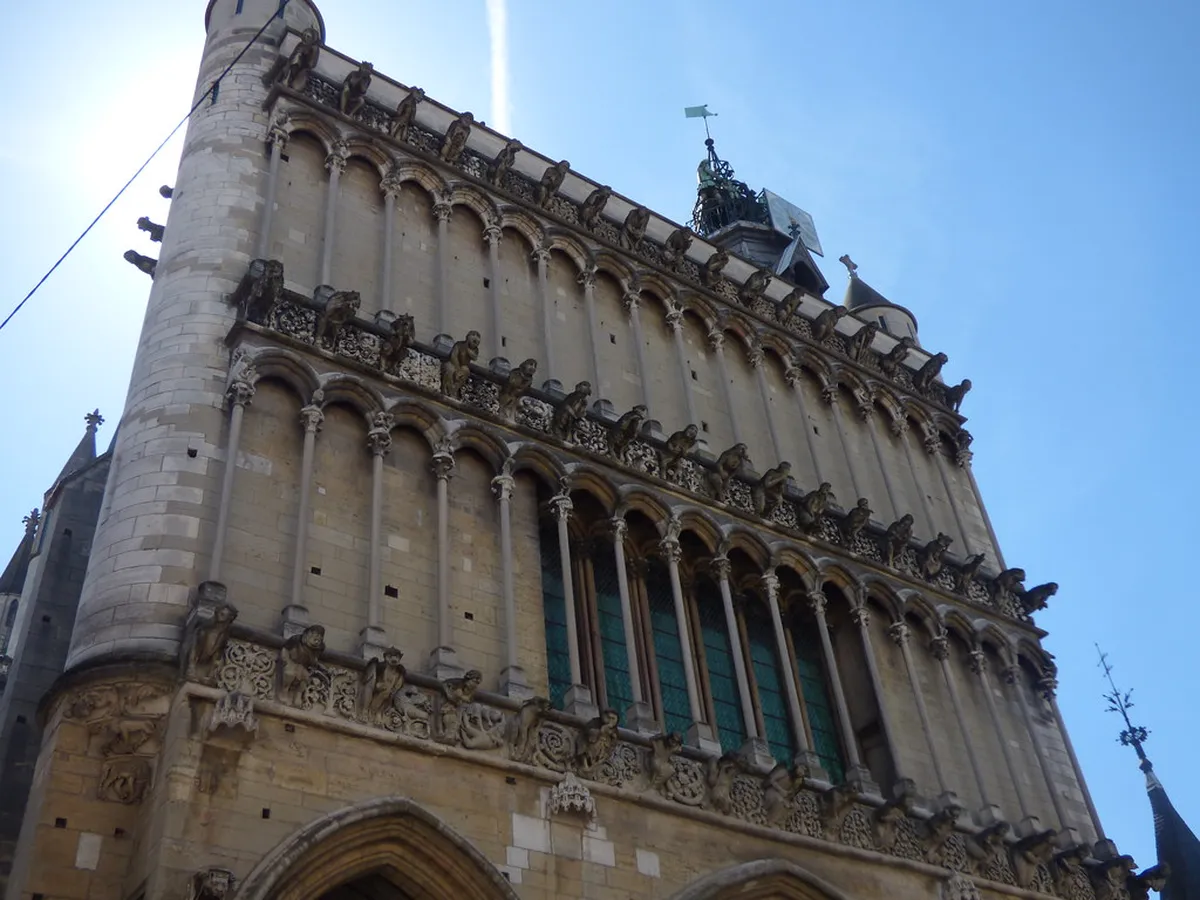
The west facade of this church features a very rare and flat design for its time. It consists of a large rectangular screen that stands tall over the main town square. This screen hides the actual shape of the church roof from people standing below. Architects used this design to create a sense of grand scale and vertical height for onlookers. The facade remains one of the most photographed spots in the entire city of Dijon today.
You will notice three distinct levels of arcades spanning the width of the front wall. These levels are supported by many thin, elegant columns that create a rhythmic pattern. This style is a hallmark of the Burgundy Gothic architecture style seen in the region. The repetition of the arches gives the building a very organized and balanced appearance. It shows the high level of skill possessed by the medieval stonemasons who worked here.
The facade lacks the traditional twin towers found on many other French Gothic cathedrals like Notre-Dame de Paris. Instead, the focus remains on the horizontal rows of arches and the decorative stone figures. This unique silhouette makes the church one of the most recognizable buildings in the historical center. The flat top of the facade creates a sharp contrast against the blue sky on clear days. It is a bold statement of architectural innovation from the thirteenth century.
Large porches sit at the base of the facade to welcome visitors into the sacred space. These entrance ways provide a strong foundation for the detailed stone work rising above them. The symmetry of these portals helps balance the complex design of the upper levels of the church. Walking through these doors feels like stepping back in time to the golden age of Burgundy. The stone work around the entrances still shows signs of the original medieval craftsmanship.
The Legend of the Fifty-One Gargoyles
The Notre-Dame de Dijon gargoyles are perhaps the most famous feature of the entire church exterior. There are fifty-one statues arranged in three rows across the front of the grand facade. These stone figures represent a wide variety of monsters, animals, and strange human characters. Unlike typical gargoyles, these statues were not actually designed to carry rainwater away from the walls. They serve a purely decorative and symbolic purpose for the building and its viewers.
Most of the statues you see today were carved during a major nineteenth-century restoration project. A sculptor named Lagoutte recreated the figures after the originals were destroyed many centuries ago. The new statues capture the spirit of the medieval originals while adding unique artistic touches from the 1800s. In 2025, these figures still look remarkably sharp and detailed to the naked eye. They continue to watch over the citizens of Dijon from their high stone perches.
The original gargoyles were removed in the late medieval period due to a tragic and strange accident. Legend says a stone figure fell and killed a local money-lender on his wedding day. The community believed this was a sign of divine anger against the man for his professional greed. Following this event, the church officials decided to remove all the statues to prevent further bad luck. The facade remained empty of its famous monsters for several hundred years after that day.
Each gargoyle has its own unique expression and posture for visitors to study and enjoy. Some look frightening while others appear almost humorous or sad to those who look closely. This variety adds a human element to the cold stone of the Gothic church facade. You can spend hours identifying the different creatures depicted in the rows of high stone arcades. They are a highlight for anyone interested in the architecture in Dijon and its history.
Burgundian Gothic Style and Structural Detail
The church of Notre-Dame de Dijon is a perfect example of the regional Gothic architectural movement. This style emphasizes clarity, logic, and the use of light within the large interior spaces. The exterior walls use local limestone which gives the building a warm and golden glow. This material was easy to carve but also strong enough to support the tall, thin arches. Architects in Burgundy developed these techniques to build taller structures with less stone material.
One key feature of this style is the use of the rectangular facade as a screen. This element is much more common in the Burgundy region than in other parts of France. It allows for more decorative space while maintaining a simple and clean structural form for the church. The narrow columns used on the facade are also typical of the local craftsmanship of that era. These details show how regional traditions influenced the broader Gothic movement across Europe.
The church also features a beautiful lantern tower over the crossing of the nave and transept. This tower allows light to pour into the heart of the building during the daylight hours. It creates a bright and airy atmosphere that contrasts with the heavy stone of the exterior walls. The balance between weight and light is a central theme of the Gothic architectural philosophy. You can feel this balance as you walk around the perimeter of the historic site.
The flying buttresses on the sides of the church are smaller and more discreet than usual. They provide the necessary support for the high vaulted ceilings without cluttering the overall visual design. This refined approach to engineering is a testament to the skill of the local Burgundian builders. Every part of the church serves a specific purpose while contributing to the overall beauty of the site. It remains a highlight for students of medieval construction and design.
The Restoration of the Stone Figures
Maintaining a stone building that is nearly eight hundred years old requires constant care and expert work. The facade has undergone several major restoration projects to fix damage from weather and historical events. Pollution and rain can wear down the delicate details of the limestone carvings over many decades. In 2025, experts continue to monitor the condition of the gargoyles and the thin facade columns. Modern techniques help preserve the stone without changing the original look of the medieval church.
The most significant restoration took place between 1865 and 1884 under the direction of local experts. This project saved the church from falling into a state of serious disrepair after the revolution. Craftsmen carefully cleaned the stone and replaced parts of the facade that had become unstable or broken. They also returned the gargoyles to their rightful places in the rows of the high arcades. This work ensured that future generations could enjoy the full beauty of the church.
During these restorations, the workers found many hidden details about how the church was originally built. They discovered that the medieval masons used very precise measurements to align the columns and the arches. The quality of the original mortar and stone was found to be exceptionally high for the time. This discovery helped modern restorers choose the best materials for their own repair work on the site. Keeping the historical integrity of the building is always the top priority for the city.
You can see the difference between older stone and the more recent repairs if you look closely. The newer stone often has a slightly lighter color and sharper edges than the medieval parts. Over time, these sections will blend together as the limestone develops a natural patina from the air. This process of renewal is part of the long life of any great European monument. The church remains a living piece of history that continues to evolve with each passing century.
Visiting the Church and the Lucky Owl
No visit to this church is complete without seeing the famous owl carved on the north wall. This small stone figure is known as the Chouette and is a mascot for the city. Local legend says that rubbing the owl with your left hand will bring you good luck. Because of this tradition, the stone has become very smooth and worn over many hundreds of years. You will find it on a corner of a chapel along a narrow side street.
The best time to view the facade is in the late afternoon when the sun hits the stone. The light brings out the textures of the gargoyles and the depth of the three arcaded levels. You can stand in the square across the street to get a full view of the front. This perspective allows you to see all three rows of stone monsters at once for photos. It is one of the best visiting Dijon historic monuments experiences for any traveler.
Inside the church, you can see the famous Black Virgin statue which dates back to the 11th century. This wooden figure is one of the oldest in France and is highly respected by locals. The interior also features stunning stained glass windows that date from the 13th and 19th centuries. These windows cast colorful patterns across the stone floor during the sunny parts of the day. The quiet atmosphere inside provides a peaceful break from the busy streets of the city.
The church is located near many other famous sites in the historic center of Dijon. You can easily walk to the Palace of the Dukes or the Museum of Fine Arts. Most of the streets in this area are for pedestrians only, making it very safe for tourists. There are many small cafes nearby where you can sit and admire the church facade. It is the perfect place to start your exploration of the rich history of Burgundy.
Preserving the Heritage of Dijon
The city of Dijon takes great pride in protecting its medieval architecture for the future. The Notre-Dame church is a key part of the local UNESCO World Heritage site designation. This status means that the building receives special funding and protection from the national government. It ensures that no modern construction will block the views of the famous gargoyles or the facade. The city works hard to keep the surrounding streets clean and accessible for all visitors.
Educational programs help young people in the region learn about the history of their local landmarks. Schools often bring students to the church to study the Gothic art and the stone carvings. These visits teach children about the importance of preserving cultural heritage in a changing world. By understanding the past, the community can make better decisions about the future of the city. The church serves as a classroom for history, art, and engineering lessons every year.
Tourism plays a vital role in supporting the ongoing maintenance of the church and its grounds. Money spent by visitors at local shops and tours helps fund the restoration projects for the monument. This relationship between the community and the tourists keeps the historic center vibrant and successful. In 2025, the city plans to introduce new digital guides for the church and the facade. These tools will offer even more information about the meanings behind the stone gargoyles.
As you leave the church, take one last look at the rows of monsters on the front. They have stood there for centuries through wars, revolutions, and the passing of many different eras. Their presence is a reminder of the enduring power of human creativity and the strength of stone. The Notre-Dame de Dijon church will continue to inspire and amaze people for many centuries to come. It is a true treasure of France that everyone should see at least once.
Frequently Asked Questions
How many gargoyles are on Notre-Dame de Dijon?
There are exactly fifty-one gargoyles located on the west facade of the church. They are arranged in three horizontal rows of seventeen figures each. These statues were added during the nineteenth century to replace the original medieval carvings.
What is the legend of the gargoyles?
The legend tells of a gargoyle that fell and killed a greedy usurer on his wedding day. This event was seen as a bad omen by the local people of Dijon. The church removed all the statues for several centuries until the major restoration in the 1800s.
Where is the lucky owl located on the church?
The famous stone owl is located on the north exterior wall of the church. You can find it on a corner of the Rue de la Chouette side street. It is traditional to rub the owl with your left hand for good luck.
When was Notre-Dame de Dijon built?
The construction of the church took place between the years 1230 and 1250 in the city center. It was built using the unique Burgundy Gothic style which was popular in the region at that time. The church remains a well-preserved example of 13th-century architecture.
The Notre-Dame de Dijon gargoyles and facade are essential sights for any traveler visiting France in 2025. This church offers a unique blend of historical legend and stunning architectural detail that is hard to find elsewhere. You will enjoy exploring the rows of stone monsters and finding the famous lucky owl on the wall. The building stands as a testament to the skill and vision of the medieval builders of Burgundy. Plan your visit today to experience this masterpiece of Gothic design in the heart of Dijon.
Key Takeaways
- See the 51 famous gargoyles arranged in three rows on the main facade.
- Rub the stone owl on the north wall with your left hand for luck.
- Admire the unique rectangular screen design of the Burgundy Gothic style.
- Visit in the late afternoon for the best lighting on the stone carvings.
Related reads: architecturebycity.com, saint michel church portal design, features of burgundian flamboyant gothic.