
Saint-Michel Church Portal Design in Dijon Guide
Explore the Saint-Michel church portal design in Dijon. Learn about its Renaissance and Burgundy Gothic architecture style history. Plan your 2025 trip now!
On this page
The Saint-Michel church portal design offers a fascinating look into the changing tastes of French religious architects. This structure is located in the heart of the historic district and is easy to find for most travelers. Visitors can admire how the Burgundy Gothic architecture style meets early Renaissance elements on this impressive western facade. This architectural masterpiece serves as a prominent landmark for travelers exploring the historic streets of old Dijon.
The construction of the church began in the late fifteenth century during a time of great architectural change. Architects designed the lower levels with traditional Gothic features that were popular in the local Burgundy region. However the upper sections showcase the growing influence of Italian Renaissance styles on French ecclesiastical buildings. Understanding these details helps tourists appreciate the architecture in Dijon more deeply during their travels.
Origins of the Church Design
The history of this building is closely tied to the growth and prosperity of the city during the 1500s. Original plans called for a purely Gothic structure but tastes changed as the Italian Renaissance reached northern Europe. Architects decided to include classical columns and motifs while keeping the soaring heights of the older medieval style. This unique combination makes the Burgundy Gothic architecture style at Saint-Michel stand out from other local churches.
The facade was not finished until 1529 when the final decorative touches were added to the upper levels. Many different master masons worked on the project over the years to complete the grand architectural vision. They used durable limestone which has helped the carvings survive through centuries of weather and urban environmental changes. Today the church is recognized as a national monument of France and receives thousands of visitors every year.
Historians often study the Saint-Michel church portal design to understand how Renaissance ideas spread through the French provinces. The lower sections maintain the pointed arches and intricate tracery common in the late Flamboyant Gothic period. Higher up the building you can see classical pediments and rounded arches that signify the start of a new era. This mix of styles creates a visual timeline of artistic evolution in the heart of historic Dijon.
The church stands as a testament to the wealth and power of the city during the Renaissance period. You can find many intricate carvings that decorate the stone surfaces around the three main entrance doors. Local artisans used high quality limestone from nearby quarries to create these lasting works of beautiful religious art. It remains one of the most important examples of transitional architecture in the entire region of Burgundy.
Unique Aspects of the Saint-Michel Church Portal Design
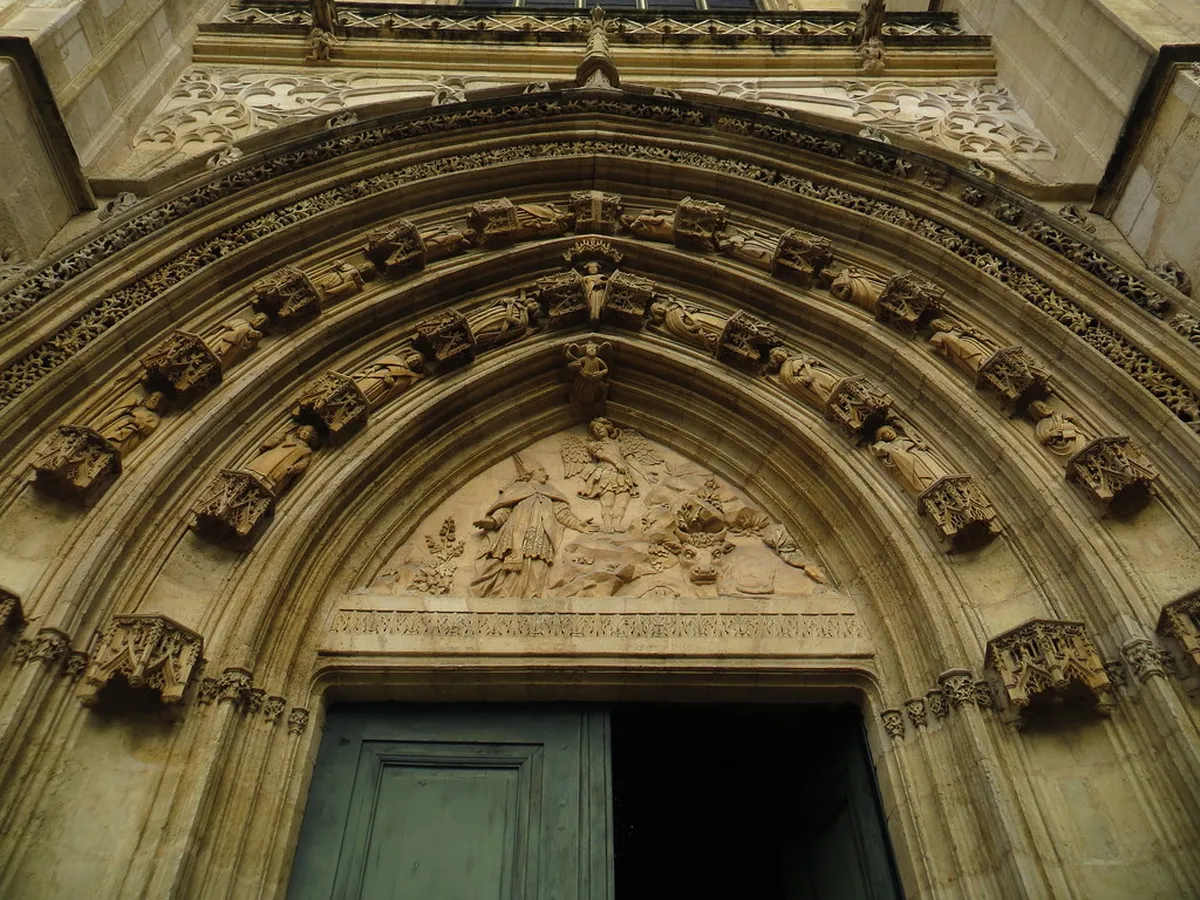
The central portal features a massive representation of the Last Judgment which was carved during the sixteenth century. It displays an intricate mix of traditional religious themes and modern humanistic styles from the Italian Renaissance period. The portal displays the Last Judgment with many small figures carved into the curved space above the doors. St. Michael is shown weighing the souls of the dead in a central position above the main entrance.
This religious iconography was meant to teach the local people about the values and beliefs of the church. The central doorway is larger than the two side entrances to emphasize its spiritual and architectural importance. You will notice that the figures are carved with a level of realism that was new for that time. This shift toward naturalism is a hallmark of the Renaissance influence on traditional French Gothic decorative sculpture.
The archivolts surrounding the doors are filled with angels and saints that appear to watch over the visitors. Each figure is carved with distinct facial expressions and detailed clothing that shows the skill of the craftsmen. The use of light and shadow on these deep carvings creates a dramatic effect during the sunny afternoons. Photography enthusiasts often spend hours capturing the fine details of these stone masterpieces from various angles and distances.
The Saint-Michel church portal design is a perfect example of how art changed during the late Middle Ages. It is important to notice the different heights of the three portals when standing in the main square. The horizontal bands of decoration help to balance the vertical energy of the towering stone steeples above. These design choices show a sophisticated understanding of proportion and balance by the original architects of the church.
Transitioning Styles in the 1500s
The lower parts of the fa'e7ade show the delicate and ornate style known as Flamboyant Gothic architectural design. You can see pointed arches and thin stone columns that seem to reach up toward the sky above. As construction continued higher the master masons began to use the newer Renaissance style for the upper decorations. This transition creates a visual timeline of the artistic changes that occurred during the sixteenth century in France.
Renaissance elements include classical pilasters and friezes that are inspired by ancient Roman and Greek architectural traditions. These features contrast sharply with the leafy carvings and grotesque figures found on the Gothic sections of the portal. This juxtaposition makes Saint-Michel one of the most unique buildings for students of European architectural history to study. The harmony between these two very different styles is a major achievement for the local builders of Dijon.
During the 1500s many French cities were looking for ways to modernize their old medieval religious structures. Dijon led the way by incorporating these new Italian ideas into the Saint-Michel church portal design very early. You can find similar transitions in other buildings around the city but none are as grand as this facade. It reflects the sophisticated culture of the Burgundian elite who funded the construction of this magnificent parish church.
The upper levels of the facade feature rounded arches which are a clear departure from the earlier pointed Gothic forms. These arches are decorated with floral motifs and geometric patterns that were very popular in Italy during the period. The contrast between the heavy stone base and the lighter upper levels adds to the beauty of the design. Architects today still marvel at how well these different periods of art work together on a single building.
Symbolic Figures in the Portals
The southern portal is dedicated to the Virgin Mary and features scenes from her life carved into the stone. You can see the Annunciation and the Nativity represented with great care and attention to the small details. These scenes were intended to provide comfort and inspiration to the faithful as they entered the church for prayer. The craftsmanship on this portal is considered some of the finest examples of early sixteenth-century stone carving.
The northern portal displays scenes from the life of Saint-Michel who is the patron saint of this historic church. He is often shown as a warrior fighting against a dragon which represents the triumph of good over evil. This powerful imagery was very popular in the region of Burgundy during the late medieval and early modern periods. The figures are dynamic and full of movement which sets them apart from the static statues of earlier eras.
Many of the smaller figures in the portal design represent local citizens and donors who supported the church construction. This was a common practice during the Renaissance to honor the people who contributed to the glory of the city. You might notice that some figures are dressed in the fashionable clothing worn by the wealthy residents of Dijon. This adds a layer of local history to the religious themes found throughout the incredible stone carvings.
The use of symbolism extends to the animals and plants that are hidden among the more prominent religious figures. You can find lions and eagles which represent strength and divine power within the complex layout of the portal. These details require a close look to truly appreciate the depth and complexity of the entire sculptural program. Every element was carefully chosen to convey a specific message to the people who visited the church regularly.
Best Times to Visit the Site
If you are planning a visit in 2025 the best time to see the facade is during the morning. The sun hits the west front directly and highlights the deep carvings of the Saint-Michel church portal design. This natural lighting makes it much easier to see the small details that might be hidden in the shadows. The square in front of the church is usually quiet during the early hours of the weekday mornings.
Spring and fall offer the most pleasant weather for walking through the historic streets of old Dijon and Burgundy. The temperatures are mild and the light is soft which is perfect for taking high quality architectural photographs today. You can avoid the largest crowds by visiting during the middle of the week rather than on the weekends. There is no cost to view the exterior of the church and it is open to the public.
Winter can also be a magical time to visit the church when the stone takes on a cool grey tone. The surrounding streets are often decorated for the holidays which adds to the historic atmosphere of the entire district. You should check the local weather forecast because snow can sometimes cover the carvings and make them harder to see. However the interior of the church remains a warm and peaceful place to escape the cold winter air.
You can find more information about visiting Dijon historic monuments at the local tourist office located in the city center. They provide maps and guides that help you discover the hidden gems of the city including the Saint-Michel church. The church is located within walking distance of other famous sites like the Palace of the Dukes of Burgundy. Planning your route in advance will help you make the most of your time in this beautiful city.
Preserving Ancient Limestone Carvings
The limestone used for the Saint-Michel church portal design is sensitive to pollution and changes in the local environment. Conservation teams work regularly to clean the stone and protect the delicate carvings from the effects of modern city life. They use special techniques that do not damage the ancient surface of the stone during the careful cleaning process. This ongoing maintenance ensures that future generations can enjoy the beauty of this historic French landmark for years.
You may see scaffolding on parts of the building during your visit as restoration work is often a continuous project. These efforts are funded by the French government and private donations to preserve the national heritage of the country. Restorers often find hidden details that were previously covered by dirt or damaged by the passage of several centuries. It is a slow and careful process that requires a high level of expertise from the participating craftsmen.
Visitors are encouraged to respect the site by not touching the delicate carvings on the lower levels of portals. The oils from human hands can cause damage to the soft limestone over a long period of regular contact. Staying behind any barriers helps to preserve the integrity of the artwork for everyone who visits the site today. You can still get very close to the carvings to see the incredible detail without causing any harm.
The city of Dijon takes great pride in the preservation of its many historic buildings and ancient architectural sites. You will notice that the streets around the church are clean and well maintained to welcome tourists from around the world. Supporting local tourism helps to provide the funds needed for these important conservation and restoration projects in the future. The Saint-Michel church remains a shining example of how a city can protect its rich architectural history.
Frequently Asked Questions
What architectural styles are seen in the Saint-Michel church portal design?
The design features a unique blend of the Burgundy Gothic architecture style and the early Italian Renaissance style. You can see this transition in the move from pointed arches to rounded decorative forms on the facade. This combination makes it one of the most interesting churches to visit in the city of Dijon today.
When was the construction of the Saint-Michel church finished?
The main construction of the church began in 1497 and the west facade was largely completed by the year 1529. However some of the upper towers were not finished until the middle of the seventeenth century due to funding issues. The portal design itself dates back to the early sixteenth century during the peak of the French Renaissance.
Is it free to visit the Saint-Michel church in Dijon?
Yes you can visit the exterior and interior of the Saint-Michel church for free throughout the entire year 2025. It is an active place of worship so visitors should remain quiet and respectful during their self-guided architectural tours. Donations are always welcome to help with the ongoing costs of maintaining and restoring the historic stone carvings.
Where is the Saint-Michel church located in Dijon?
The church is located in the eastern part of the historic center of Dijon near the Place Saint-Michel square. It is just a short five-minute walk from the Palace of the Dukes of Burgundy and other major sites. Most travelers find it very easy to include a visit to this church in their daily walking tour.
The Saint-Michel church portal design remains a highlight for anyone interested in the history of European religious architecture. This building showcases how different cultural movements can blend together to create a truly unique and beautiful structure today. We invite you to explore this masterpiece in person during your next visit to the historic city of Dijon. Take your time to appreciate the small details and the grand vision of the talented builders of the past.
Key Takeaways
- View the Last Judgment carving on the central portal for the best religious iconography.
- Visit during the morning to see the sunlight highlight the intricate details of the facade.
- Look for the visual transition from Flamboyant Gothic to Renaissance styles on the different levels.
Related reads: architecturebycity.com, notre dame de dijon gargoyles and facade, features of burgundian flamboyant gothic.