
Explore MuCEM Museum Architecture in Marseille
Discover the MuCEM museum architecture in Marseille for 2025. Learn about the iconic concrete lattice and plan your visit to this landmark today!
On this page
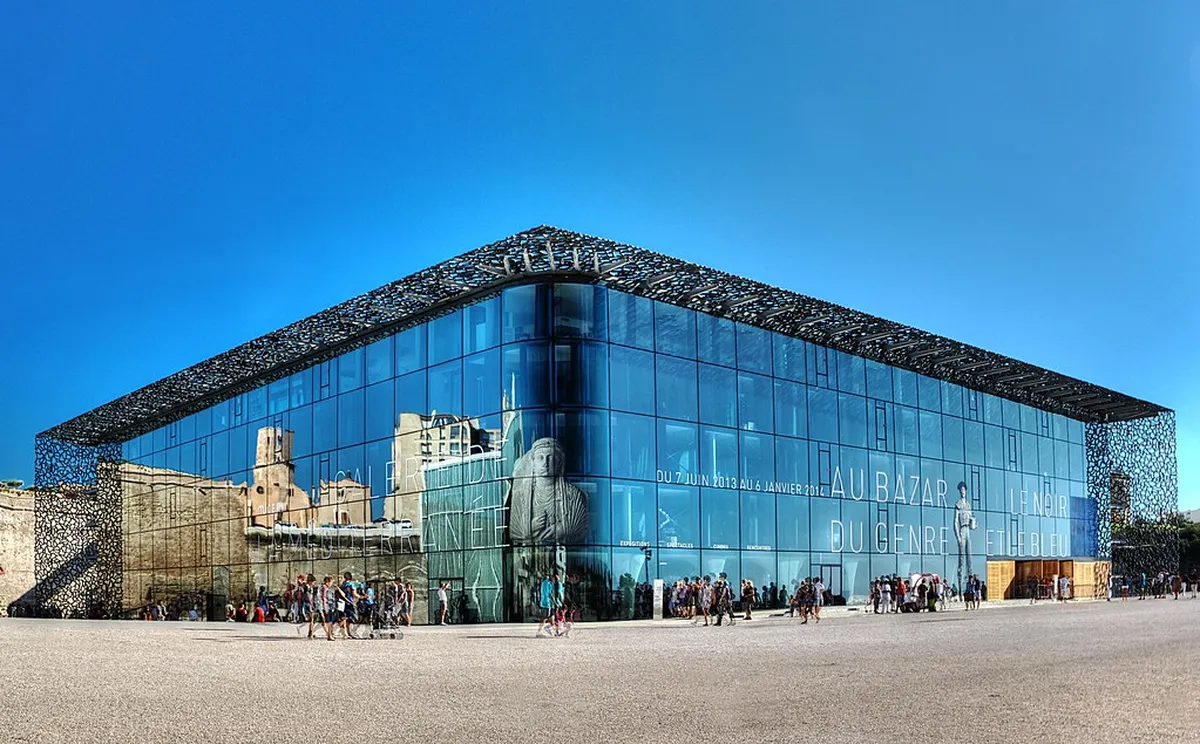
The MuCEM museum architecture is a stunning highlight of any visit to Marseille in 2025. This museum stands at the edge of the Mediterranean Sea. It acts as a cultural bridge between Europe and Africa. The building is famous for its dark, lace-like concrete skin. Visitors come from all over the world to see it.
Architect Rudy Ricciotti designed this masterpiece for the city. It opened when Marseille was the European Capital of Culture. Today, it remains a symbol of the city's modern identity. The museum connects the historic harbor with the open ocean. You will find it next to the ancient Fort Saint-Jean.
The Visionary Concept of MuCEM
MuCEM stands for the Museum of European and Mediterranean Civilizations. This structure represents a bridge between different cultures and times. It serves as a modern monument for all people to enjoy. The design reflects the deep history of the surrounding region. It is a key part of the architecture in Marseille landscape today.
Rudy Ricciotti won the design competition for this project in 2002. He wanted a building that belonged to the sun and sea. The museum is a perfect square of 72 meters on each side. It houses many galleries, a theater, and a large bookstore. The interior spaces are flexible and filled with natural light.
The building sits on the J4 pier in the harbor. It faces the harbor mouth and the vast horizon. This location provides a dramatic backdrop for the cultural exhibits. Architects focused on light, wind, and water during the long construction. Every corner offers a new perspective on the Mediterranean coast.
Visitors often feel a sense of wonder when they first arrive. The scale of the building is truly impressive and bold. It covers nearly 40,000 square meters of total floor space. The design uses vertical lines to reach toward the sky. It creates a striking silhouette against the blue French water.
The museum is much more than just a place for art. It is a public space where people meet and relax. The large terraces offer some of the best views in France. You can spend hours exploring the different levels and paths. It is a must-see destination for any modern traveler.
The Iconic Concrete Lattice Skin
The most famous feature is the intricate concrete lattice. This skin wraps around the main glass building like lace. It looks like a delicate net or a sea sponge. The pattern changes as the sun moves across the sky. It creates a beautiful dance of light and dark shadows.
This lattice is made of Ultra-High Performance Fiber-Reinforced Concrete. This special material is incredibly strong and very durable. It allows the museum to withstand the salty sea air. Engineers spent years perfecting the MuCEM concrete lattice construction process. The results are both technical and very artistic.
The dark grey color was a very specific design choice. It matches the rocky coast of Marseille and the cliffs. This choice helps the building blend with the natural landscape. The shadows cast by the lattice create stunning visual patterns inside. It makes the walkways feel intimate and very unique.
Walking between the lattice and the glass is truly magical. You feel protected while still seeing the blue Mediterranean water. The sea breeze blows through the holes in the concrete. This creates a natural cooling effect for the entire museum. It is a clever way to handle the local climate.
The lattice also serves a very practical and smart purpose. It acts as a sunshade for the inner glass building. This reduces the energy needed for cooling the interior galleries. It is a great example of sustainable and modern design. Travelers appreciate the innovation and beauty of this structure.
Connecting History at Fort Saint-Jean
A long bridge connects the museum to Fort Saint-Jean. This footbridge is 115 meters long and very thin. It allows visitors to walk high above the blue water. This path links the modern era with the 17th century. You can see more Rudy Ricciotti designs in Marseille through this connection.
Fort Saint-Jean was once a defensive base for the harbor. Now, it is a beautiful public garden and gallery space. The contrast between the old stone and new concrete is striking. It shows how the city respects its long maritime history. Walking across the bridge is a highlight for many visitors.
The gardens at the fort are full of Mediterranean plants. You can find rosemary, lavender, and many olive trees here. These plants add a wonderful scent to the sea air. The fort also offers many spots to sit and rest. It is a peaceful escape from the busy city streets.
There is a second bridge that leads to the Panier district. This bridge links the fort to the oldest part of Marseille. It creates a seamless path for tourists to explore the city. You can walk from a modern museum into ancient narrow alleys. This flow is a triumph of clever urban planning.
Visiting both the museum and the fort takes several hours. You should plan to see the sunset from the fort walls. The orange light looks beautiful on the modern museum skin. It is one of the most photographed spots in Marseille. Do not forget to bring your camera for this trip.
Interior Design and Visitor Experience
The interior of the museum is a sleek glass box. It contains two main levels for the permanent exhibition spaces. Large windows offer constant views of the sea and harbor. The design keeps the focus on the artifacts and views. It feels very open and welcoming to every visitor.
A series of ramps lead you to the roof terrace. These ramps wrap around the outside of the inner building. You walk between the glass walls and the concrete skin. This journey is part of the architectural experience itself. It provides a slow reveal of the surrounding city views.
The ground floor features a large bookstore and a cafe. You can find many books about local history and design. There is also a small auditorium for films and lectures. The museum often hosts talks about Mediterranean culture and life. These events are very popular with the local community.
On the top floor, you will find a fine restaurant. It serves delicious food inspired by local and seasonal ingredients. The restaurant has large windows and an outdoor seating area. You can enjoy a meal while looking at the sea. It is a great place for a special lunch.
The museum is fully accessible for all types of visitors. Elevators and smooth ramps make moving between floors very easy. The staff is helpful and can provide maps in English. You will find clear signs throughout the entire building complex. It is designed to be user-friendly for everyone.
Urban Impact on Marseille Waterfront
This landmark was a key part of the Vieux Port regeneration project. This project transformed the Marseille waterfront into a cultural hub. It turned old industrial docks into beautiful public spaces. The museum acted as the centerpiece of this massive change. It brought new life to a neglected part of town.
Before the museum, this area was mostly used for shipping. Now, it is a place for culture, art, and leisure. People come here to walk, run, and enjoy the views. The museum has helped to improve the city's global image. Marseille is now seen as a top destination for art.
The museum also boosted the local economy in many ways. It attracts millions of tourists to the city every year. New hotels and shops have opened in the surrounding streets. This growth has created many jobs for the local people. The MuCEM is a true engine for urban development.
Local residents are very proud of this modern architectural icon. They use the outdoor spaces as their own public park. Children play on the ramps and in the fort gardens. It has become a beloved part of the daily city life. The building belongs to the people of Marseille.
The museum area is very easy to reach by foot. It is a short walk from the famous Old Port. You can also take the tram or the subway nearby. Many tour buses stop right in front of the entrance. It is perfectly integrated into the city's transport network.
Sustainable Innovation and Future Legacy
The MuCEM is a leader in sustainable museum design today. Its concrete lattice provides natural shade and heat control. This reduces the need for heavy air conditioning systems. The building uses the sea water for some cooling needs. It is a very green building for its large size.
Materials used in construction were chosen for their long life. The fiber concrete can last for over one hundred years. It requires very little maintenance despite the harsh salt air. This makes the building a sustainable choice for the city. It will stand for many generations of visitors to see.
The museum continues to evolve its exhibits and public programs. It focuses on the shared future of all Mediterranean countries. The architecture provides the perfect stage for these important stories. It remains relevant in the fast-changing world of 2025. The legacy of Ricciotti's design is very secure.
Architecture students come here to study the unique concrete work. They learn about the technical challenges of the lattice design. The building is a case study for modern engineering projects. It inspires young designers to think outside the traditional box. The museum is a classroom for future city builders.
As you leave the museum, look back at the structure. It glows softly in the evening Mediterranean light of France. The lattice looks like a part of the natural coast. You will remember the MuCEM for its beauty and innovation. It is a true landmark of the 21st century.
Frequently Asked Questions
Who is the architect of the MuCEM?
Rudy Ricciotti and Roland Carta designed the MuCEM museum architecture. They wanted to create a building that feels like a sea sponge. Their design won a major international competition in 2002. It is now their most famous work in France.
How much does it cost to visit MuCEM in 2025?
Tickets for the permanent exhibitions cost about 11 Euros in 2025. You can buy tickets online or at the museum entrance. Access to the outdoor walkways and the roof is free. Many people visit just to walk on the bridges.
What material is the MuCEM lattice made of?
The lattice is made of Ultra-High Performance Fiber-Reinforced Concrete. This material is very strong and allows for thin, lace-like shapes. It can withstand the salty air and wind of the coast. It is a major technical achievement in modern construction.
Is the MuCEM connected to an old fort?
Yes, the museum is linked to the historic Fort Saint-Jean. A long, thin footbridge connects the two different sites. You can learn more about the fort Saint-Jean renovation architecture on your visit. It is a wonderful mix of old and new.
The MuCEM museum architecture is a must-see landmark in Marseille. It offers a unique blend of modern design and deep history. You should plan your visit for 2025 to see this marvel. Enjoy the views, the art, and the beautiful concrete skin today. It is a highlight of any trip to Southern France.
Key Takeaways
- Experience the blend of old and new at MuCEM.
- Admire the innovative use of fiber-reinforced concrete.
- Enjoy free access to the spectacular outdoor walkways.
Related reads: architecturebycity.com, le corbusier unite dhabitation marseille.