
Discover Cité du Vitrail and Stained Glass Heritage
Visit the Cité du Vitrail in Troyes for 2025. Discover stunning stained glass heritage and history in this premier French museum. Plan your trip today!
On this page
Troyes is the capital of the Aube department in France. It holds a unique title in Europe. This city serves as the world capital of stained glass. Visitors flock here to see the Cité du Vitrail and stained glass heritage in person.
This museum offers a deep dive into light and color. It showcases the mastery of glassmakers over many centuries. You will find it located in the heart of the city. The museum is a must-visit destination for any art lover.
The facility provides an immersive experience for all guests. It combines historic architecture with modern exhibition techniques. You can explore the evolution of this fragile art form. The light passing through the glass creates a magical atmosphere throughout the halls.
The Historic Setting of Hôtel-Dieu-le-Comte
The Cité du Vitrail occupies a historic 18th-century hospital building. This site is known as the Hôtel-Dieu-le-Comte. It recently underwent a massive and detailed renovation project. You can learn about the Hôtel-Dieu-le-Comte renovation during your tour of the site.
The museum covers over 3,000 square meters of exhibition space. The white stone walls contrast beautifully with vibrant glass panels. This setting emphasizes the long history of the city of Troyes. It is one of the most significant landmarks in the region.
Visitors enter through a bright and modern reception area. The transition from old stone to new glass is quite striking. This design choice reflects the museum's dual mission today. It honors ancient traditions while celebrating modern artistic glass work.
The site includes a stunning chapel with many original features. High ceilings allow natural light to flood the interior rooms. This light is essential for viewing the glass exhibits properly. It creates a peaceful atmosphere for every guest who enters.
The courtyard offers a space for reflection after your visit. You can admire the classic French architecture of the exterior. The building itself is as much a treasure as the glass inside. It stands as a symbol of local preservation efforts.
Highlights of the Stained Glass Collections
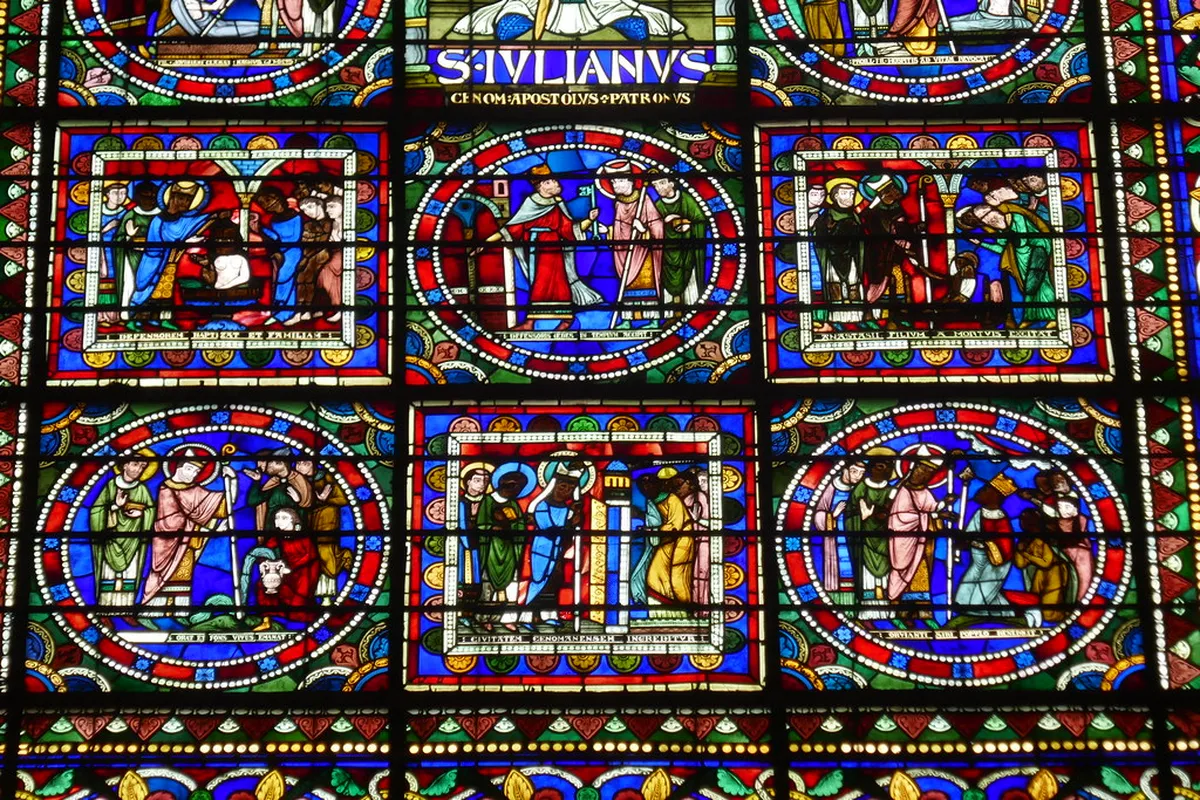
The museum displays glass from the 12th to the 21st century. It features works from many local and international artists. These pieces show the evolution of styles over many centuries. You will see religious scenes and contemporary designs in the halls.
One highlight is the apothecary room within the main building. It contains nearly 300 painted ceramic jars from the past. These jars sit on beautiful wooden shelves from the 1700s. This room adds a unique layer to the visitor experience.
Modern glass art takes a prominent place in the gallery. These works use abstract shapes and very bold colors. They prove that glass is still a living medium in 2025. Artists continue to push the boundaries of this ancient craft.
Interactive displays help explain the complex physics of light. You can learn how different minerals create specific glass colors. These stations are perfect for students and curious adults alike. They make complex science very easy for everyone to understand.
The collection includes pieces removed for protection from local churches. Seeing them at eye level reveals incredible artistic details. You can see individual brushstrokes on the delicate glass faces. This proximity is impossible to experience in a high cathedral window.
Aube Region Glassmaking History and Legacy
The Aube region contains the highest density of glass in Europe. Over 9,000 square meters of glass exist in local churches. This region truly defines the Cité du Vitrail and stained glass heritage. Local artisans have worked here for many generations.
You should explore the Aube region glassmaking history to understand the context. This legacy began with skilled craftsmen in the Middle Ages. They developed unique techniques to create durable and vivid panels. Their influence eventually spread across all of northern France.
The museum also hosts rotating temporary exhibitions throughout the year. These shows often focus on specific centuries or famous masters. They ensure that repeat visitors always find something new to see. Check the local schedule before you plan your 2025 trip.
Master glassmakers from Troyes were famous during the Renaissance era. Their work is characterized by realistic figures and rich colors. They used silver stain to create beautiful yellow and gold tones. This technique revolutionized how light moved through the church windows.
Conservation is a major theme within the museum walls. Experts work daily to preserve these fragile historic treasures. You can learn about the tools used in restoration efforts. This work ensures that future generations can enjoy the art.
Connecting the Museum to Troyes Churches
After visiting the museum, you must see the local cathedrals. The city is famous for its Gothic churches of Troyes. These buildings house some of the finest glass in situ today. The Saint-Pierre-et-Saint-Paul Cathedral is a primary must-see site.
This cathedral features massive windows from several different eras. The choir windows date back to the early 13th century. You can compare these to the Renaissance windows nearby. This comparison shows how artistic tastes changed over the years.
Another important site is the Church of Sainte-Madeleine nearby. It houses a famous window depicting the Tree of Jesse. This work is a masterpiece from the 16th century. It highlights the incredible skill of the painters in Troyes.
We recommend following the best stained glass Troyes churches route. This path connects the museum to significant religious sites. Walking between them takes you through beautiful timber-framed streets. It is the best way to spend a day.
Most churches in the city center are free to enter. They offer a quiet place to admire the glass heritage. The light changes depending on the time of day. Morning light is often the best for the eastern windows.
Practical Tips for Your 2025 Visit
The Cité du Vitrail is open Tuesday through Sunday. It usually opens at 10:00 AM and closes at 6:00 PM. Always check the official website for any holiday hours. This helps you avoid any unexpected closures during your trip.
Ticket prices are very affordable for most international travelers. Adults typically pay around 8 euros for full entry. Reduced rates are available for students and large groups. Children under 18 can often enter the museum for free.
The museum is fully accessible for visitors with limited mobility. Elevators reach every floor of the large historic building. Staff members are helpful and speak several different languages. Audio guides are available in French, English, and German.
You can find the museum near the historic city center. It is a short walk from the main train station. When visiting Troyes monuments and museums, this should be your priority. The nearby garden offers a peaceful place to rest.
Allow at least two hours for a full museum tour. This gives you time to read the informative displays. The museum shop offers unique gifts and books about glass. It is a great place to find a souvenir.
Frequently Asked Questions
Where is the Cité du Vitrail located in Troyes?
The museum is located in the Hôtel-Dieu-le-Comte. This building is near the Cathedral of Troyes. It is easily accessible by walking from the center. You can find it at 31 Quai des Comtes de Champagne.
How much does it cost to visit the museum in 2025?
Adult tickets generally cost 8 euros per person. Students and seniors may qualify for a reduced rate. Children under the age of 18 usually enter for free. Check for special group rates if traveling with many people.
Is the Cité du Vitrail accessible for disabled visitors?
Yes, the museum is fully accessible for all guests. It features modern elevators and wide corridors for wheelchairs. The staff is trained to assist visitors with specific needs. Accessible restrooms are available on the ground floor.
Can I take photos inside the museum exhibits?
Photography is generally allowed for personal use in the galleries. You must turn off your flash to protect the glass. Some temporary exhibitions may have different rules for visitors. Always look for signage in each specific room.
The Cité du Vitrail is a true gem in Troyes. It celebrates the vibrant Cité du Vitrail and stained glass heritage of France. Plan your visit for 2025 to experience this light and color. This museum will leave you with a new appreciation for glass art. Book your tickets today to explore this historic treasure in person.
Key Takeaways
- Visit the Hôtel-Dieu-le-Comte to see the primary collections.
- Allow two hours to explore the 3,000 square meters of space.
- Follow the church route to see glass in its original setting.
- Check the 2025 schedule for seasonal temporary glass exhibitions.