
Discover Aube Region Glassmaking History in 2025
Explore the rich Aube region glassmaking history in Troyes. Discover the Cité du Vitrail and stained glass heritage. Plan your visit to France today!
On this page
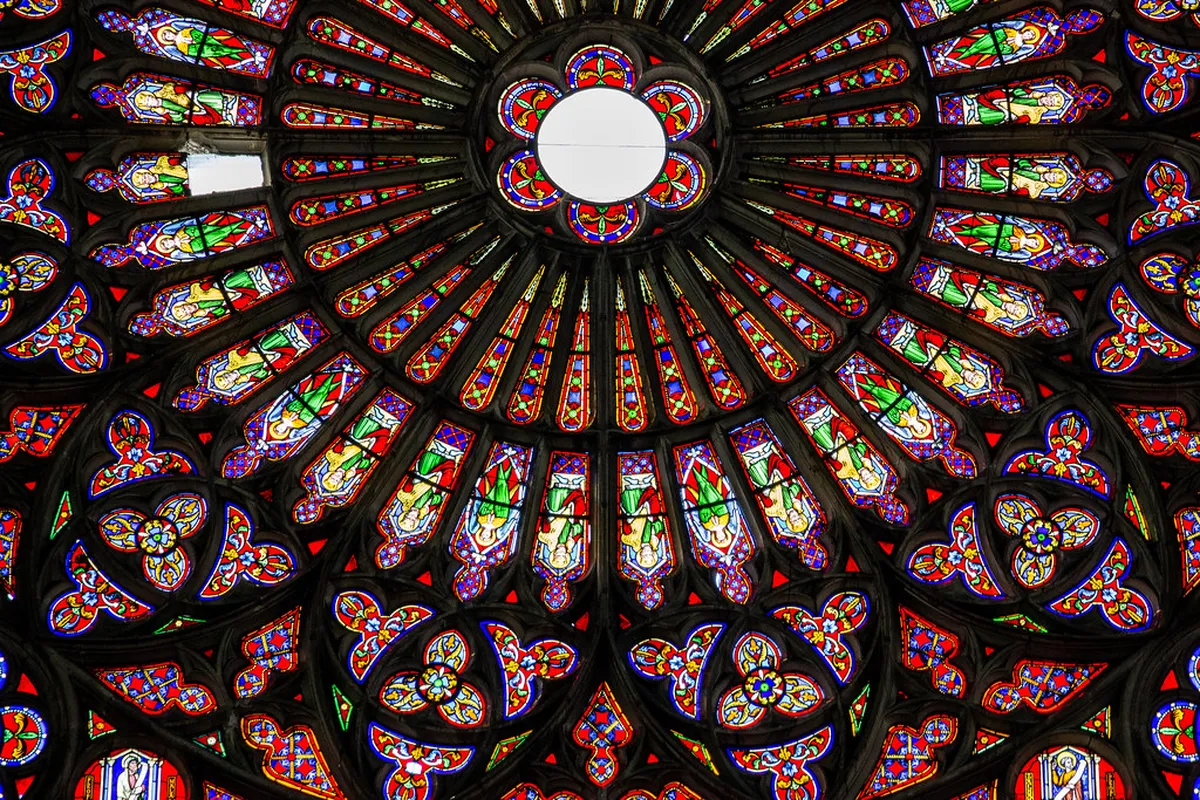
The Aube region in France is a world leader in ancient art. It holds the largest collection of stained glass in Europe. Visitors flock to Troyes to see this incredible Aube region glassmaking history first-hand. The city serves as a living museum of light and color.
Artisans have worked here for over eight hundred years. They transformed local churches into vibrant galleries of religious stories. Today, the city honors this legacy through modern museums and careful restoration. You will find beauty in every corner of this historic French destination.
Early Roots of Aube Region Glassmaking History
The story of glass in this region begins in the medieval era. Local forests provided the wood needed to fuel hot glass furnaces. Artisans discovered high-quality sand in the riverbeds near the city of Troyes. These natural resources made the Aube an ideal center for glass production.
By the 12th century, simple colored glass appeared in local chapels. Craftsmen used metallic oxides to create deep blues and rich reds. These early windows were small due to limited structural technology. However, they set the stage for a massive artistic revolution.
The church became the primary patron of these skilled glass artists. Bishops wanted to teach the Bible through visual stories in the windows. This created a steady demand for glassmakers throughout the Middle Ages. The Aube region glassmaking history grew alongside the rise of Gothic architecture.
During this time, the techniques for painting on glass became more refined. Artists used grisaille to add detail to faces and clothing. This allowed for more complex storytelling within each window pane. The region soon gained a reputation for unmatched artistic quality.
The Renaissance Peak of Glass Art in Troyes
The 16th century marked the golden age for glass in Troyes. This period is often called the "Beau XVIe" by local historians. Artists moved away from simple patterns toward realistic, painterly styles. The windows began to look like vibrant oil paintings made of light.
Economic growth in the city funded massive cathedral expansion projects. Wealthy merchants also commissioned private windows for their own town mansions. This era saw the impact of 1524 great fire on Troyes, which led to rebuilding. Many churches were updated with new, fashionable stained glass designs.
New colors like silver stain allowed for more diverse palettes. Artists could now create yellow highlights on a single piece of blue glass. This innovation reduced the need for heavy lead lines between colors. It resulted in much clearer and more detailed religious scenes.
The famous Troyes school of glassmaking emerged during this prosperous time. Masters like Linard Gonthier became legendary for their technical skill and creativity. Their work remains visible in many historic buildings throughout the city center. You can still admire these 500-year-old masterpieces today.
Exploring the Cité du Vitrail in Troyes
The Cité du Vitrail is the crown jewel of local glass preservation. It is located inside the beautifully renovated Hôtel-Dieu-le-Comte building. This museum showcases the Cité du Vitrail and stained glass heritage for all visitors. It covers glass history from the 12th to the 21st century.
The museum features 3,000 square feet of dedicated exhibition space. You can walk through galleries filled with glowing panels from different eras. Some windows are placed at eye level for close inspection. This allows you to see the brushstrokes used by ancient artists.
Interactive displays explain the chemistry behind different glass colors. You can learn how artisans handled molten glass in high-temperature kilns. The museum also hosts workshops for those who want to try the craft. It is a must-visit destination for any history or art lover.
Entrance fees are typically around 5 to 8 Euros for adults in 2025. The museum is open from Tuesday to Sunday throughout the year. It provides an excellent introduction to the artistic identity of the Aube. Plan to spend at least two hours exploring the various floors.
The Most Famous Stained Glass Churches
The Troyes Cathedral is a massive landmark filled with stunning glass art. Its windows cover over 1,500 square meters of total surface area. You should visit the best stained glass Troyes churches to see the full variety. Each building offers a unique perspective on regional history.
The Church of Sainte-Madeleine is famous for its intricate stone rood screen. However, its Renaissance windows are equally impressive and highly detailed. They depict scenes from the life of the Virgin Mary in vivid color. The light inside the nave changes beautifully throughout the afternoon.
Saint-Urbain Basilica is another masterpiece of the late Gothic style. It features soaring windows that let in a soft, ethereal light. The proportions of the glass to the stone are truly revolutionary. It feels like the entire building is made of translucent walls.
Saint-Pantaléon Church houses a collection of rare monochrome windows. These use a technique called en grisaille to create depth without color. This style was popular during periods of religious reform in France. It offers a stark and elegant contrast to the colorful cathedrals.
How Modern Artists Preserve Ancient Glass Methods
Glassmaking is not just a dead history in the Aube region. Modern studios in Troyes continue to practice these ancient artistic skills. They restore broken panels and create new works for contemporary buildings. These artisans use the same types of lead and solder as their ancestors.
Restoration is a slow and very delicate process for historic glass. Specialists must carefully clean centuries of dust and grime from the surface. They often use lasers to remove buildup without damaging the original paint. This ensures the windows remain bright for future generations to enjoy.
New glass art often incorporates modern themes and abstract patterns. You can see these works in modern chapels and public offices. They use the same light-filtering principles discovered hundreds of years ago. This creates a bridge between the past and the modern world.
Apprentices still study for years to master the traditional glass arts. They learn how to cut glass by hand with great precision. These skills are essential for maintaining the cultural heritage of the Aube. The tradition remains a vital part of the local economy today.
Practical Guide for Glass Art Tourism in 2025
Visiting Troyes in 2025 is easy for international and local travelers. The city is only 90 minutes from Paris by regional train. Most historic sites are within walking distance in the city center. Wear comfortable shoes as you explore the narrow cobblestone streets.
Many churches are free to enter during the daylight hours. Be mindful of religious services when planning your photographic visits. The best light for viewing windows is usually in the late morning. This is when the sun hits the southern transept windows directly.
Consider booking a guided tour for deeper historical context and facts. Local experts can point out hidden details in the massive window displays. Tours often include visits to the Cité du Vitrail and major cathedrals. Group rates are usually available for families or larger travel parties.
Stay in one of the half-timbered hotels for a complete experience. These historic buildings offer a glimpse into the life of Renaissance Troyes. Many hotels are located near the major glass art sites and museums. Enjoy local Champagne while you relax after a long day of sightseeing.
Frequently Asked Questions
What is the best time to visit Troyes for stained glass?
Spring and summer offer the best natural light for viewing glass. The sun remains high in the sky for many hours each day. This makes the colors in the church windows appear more vibrant. Clear days provide the most dramatic light effects inside the cathedrals.
Why is the Aube region glassmaking history so significant?
The Aube holds 25 percent of all historic glass in France. It represents a continuous tradition of art over eight centuries long. The sheer volume and quality of the windows are globally unique. It serves as an essential record of medieval and Renaissance artistic techniques.
How much does it cost to see the stained glass in Troyes?
Most churches in Troyes are free for the public to visit. The Cité du Vitrail museum charges a small fee of 5-8 Euros. Many local walking tours are available for a reasonable price. It is an affordable destination for travelers on a budget in 2025.
The Aube region glassmaking history is a treasure for the whole world. From ancient cathedrals to modern museums, the legacy of light continues to shine. Plan your trip to Troyes in 2025 to experience this artistic magic yourself. You will never see light the same way again after this journey.
Key Takeaways
- Troyes holds the highest concentration of historic stained glass in Europe.
- The 16th century was the golden age for glass artists in the Aube.
- Visit the Cité du Vitrail for a comprehensive look at glass techniques.
- The cathedral and local churches offer free access to world-class art.
- Modern restoration efforts keep this 800-year-old tradition alive today.
Related reads: architecturebycity.com, architecture in troyes.