
High Gothic architecture of Chartres Cathedral Guide
Explore the High Gothic architecture of Chartres Cathedral in 2025. Learn about flying buttresses and stained glass. Plan your trip to France today!
On this page
The High Gothic architecture of Chartres Cathedral remains a stunning triumph of medieval engineering and religious vision. This massive stone structure rose from the ashes of a fire that occurred in the year 1194. Designers created a unified masterpiece that abandoned the heavy and dark styles of earlier Romanesque buildings. It serves as a perfect example of how light can transform a massive stone interior space. Visitors today still marvel at the height and the balance of the towering walls and vaults. The building represents the first time architects successfully combined three major elements into one grand design. These elements include the pointed arch and the ribbed vault and the external flying buttress system.
This guide explores the specific details that make this site a global treasure for students of history. You will learn about the revolutionary techniques that allowed for such immense walls of colored glass windows. The cathedral stands as a symbol of the town and its deep history within the French countryside. It reflects the ambition of people who wanted to build a dwelling place for the divine on earth. Many travelers consider this the most beautiful cathedral in France due to its preserved medieval character and art. We will dive deep into the structural secrets that keep these ancient stones standing so tall today. Prepare to discover the engineering genius of the thirteenth century in this comprehensive architectural deep dive.
The History of High Gothic architecture of Chartres Cathedral
The story of this cathedral begins with a devastating fire that destroyed most of the earlier Romanesque church. Only the crypt and the western towers survived this massive blaze in the late twelfth century. This disaster provided a rare opportunity for builders to start a new project with a single vision. They aimed to create a structure that maximized height and light for the glory of the church. You can see how this vision fits into the broader architecture in Chartres by walking through the historic city center.
Construction moved with incredible speed for the medieval era because the entire community supported the expensive project. The main structure was largely completed between 1194 and 1220 which is only twenty-six years of work. This rapid pace ensured that the architectural style remained consistent from the floor to the high roof. Most other cathedrals from this period took centuries to finish and show many different building styles today. Chartres stands out because it represents the pure essence of the High Gothic movement without many later changes.
The builders used local limestone from the Berchères-les-Pierres quarries located just a few miles from the town. This hard and durable stone allowed for the fine carving and structural strength needed for such a tall building. Laborers transported thousands of tons of rock across the fields to reach the hilltop site of the cathedral. Their hard work created the massive foundations that support the weight of the heavy lead roof and vaults. The finished product remains one of the best preserved medieval buildings in the entire world in 2025.
Kings and nobles from across Europe donated large sums of money to fund this ambitious building project. These donors are often depicted in the stained glass windows that they paid for in the thirteenth century. Their support allowed the architects to hire the best stonemasons and glass artists available in the kingdom. This collective effort resulted in a building that served as the primary model for later Gothic cathedrals. It set the standard for height and light and artistic beauty for generations of future European builders.
Innovations in Flying Buttresses and Support
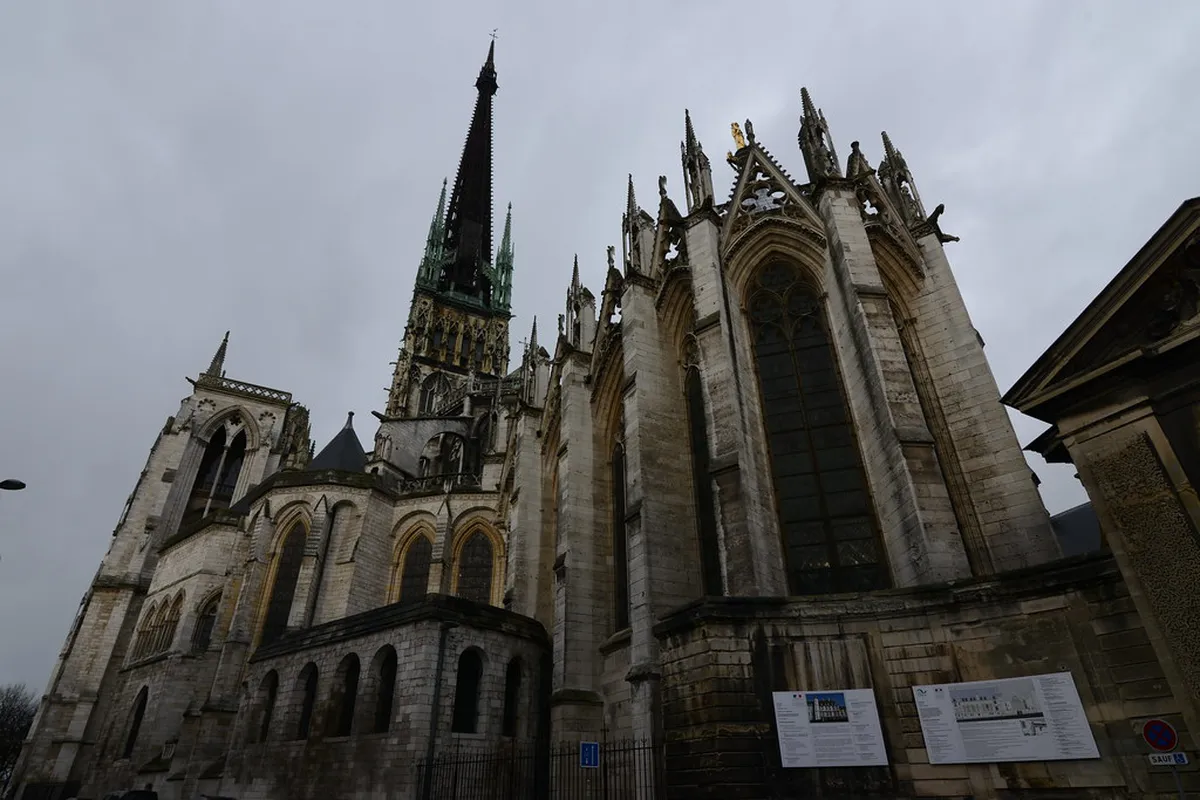
Chartres was one of the first major buildings to use external flying buttresses as a primary structural element. These stone arches transfer the weight of the high vaults away from the walls and into the ground. This invention was crucial because it allowed the builders to make the main walls much thinner and lighter. Without these supports the heavy stone roof would have pushed the high walls outward until they eventually collapsed. You can admire the massive scale of these flying buttresses of Chartres Cathedral from the beautiful gardens behind the choir.
The buttress system at Chartres consists of two main tiers connected by a series of small radiating columns. The lower tier handles the heavy downward pressure from the interior stone vaults of the tall central nave. The upper tier provides resistance against the wind pressure that strikes the steep slope of the high wooden roof. This dual system creates a skeletal frame that surrounds the building like a series of supporting stone fingers. It is a masterpiece of early engineering that solved the problem of creating tall and open interior spaces.
Because the buttresses took the weight the walls no longer needed to be thick and solid for support. This structural freedom allowed the architects to install the massive stained glass windows that Chartres is famous for today. The walls became a transparent skin that allowed light to flood the interior from every possible angle. This was a radical departure from the dark and heavy walls of the earlier Romanesque style of building. The exterior beauty of the buttresses adds a sense of rhythm and power to the building silhouette.
Engineers today still study these stone arches to understand how they distribute force and tension across the frame. The precision of the stonework is remarkable given the limited tools available to the builders in the year 1200. Every block of stone was carved by hand to fit perfectly into the complex geometry of the arch. This level of craftsmanship ensures that the cathedral remains stable even after eight centuries of wind and weather. The buttresses are not just functional but are also an essential part of the aesthetic Gothic experience.
The Verticality of the Nave and Ribbed Vaults
The interior of the cathedral focuses on creating a sense of extreme height and spiritual upward movement. It features a three-story elevation that includes the main arcade and the triforium and the large clerestory windows. This simplified design removed the traditional gallery level found in older churches to make the space feel taller. You can study the complex nave elevation and vaulting techniques to see how they achieved this effect. The vertical lines of the piers guide your eyes directly toward the heavens from the moment you enter.
The central nave measures sixteen meters wide which makes it the widest nave in all of France today. Builders used four-part ribbed vaults to cover this immense span of space with a ceiling of solid stone. These ribs act as a frame that directs the weight of the ceiling down into the supporting pillars. This system allows the ceiling to be lighter and more flexible than a traditional solid barrel vault ceiling. The result is a soaring canopy that feels almost weightless as it hangs far above the stone floor.
Massive compound piers support the arches of the nave and carry the visual weight of the entire building. Each pier consists of a central core surrounded by four smaller attached shafts that align with the ribs. These shafts create a continuous vertical line that travels from the floor all the way to the ceiling. This design emphasizes the height of the space and creates a beautiful rhythmic pattern along the entire nave. The architectural unity of these elements is a primary characteristic of the mature High Gothic style of France.
The floor of the nave contains a famous circular labyrinth that was used by medieval pilgrims for meditation. This path allowed people to go on a symbolic journey to the Holy Land without ever leaving the church. It is one of the few original medieval labyrinths that still exists in its original place and form. The scale of the floor matches the massive proportions of the architecture that surrounds the people inside. Walking through the nave provides a unique perspective on the power and scale of medieval religious architecture.
Stained Glass Artistry of Chartres
Chartres Cathedral is famous for having the most complete collection of original medieval stained glass in the world. Over one hundred and fifty windows survive from the early thirteenth century and they cover two thousand square meters. These windows create a unique atmosphere that scholars often describe as a blue and mystical divine light. The glass was designed to teach religious stories to a population that mostly could not read or write. You should explore the stained glass artistry of Chartres to appreciate the vibrant colors and details.
The specific
The Symbolic Power of the Portals and Sculpture
The exterior of the cathedral is decorated with thousands of stone figures that represent the entire medieval world view. These sculptures are found primarily on the three main portals located on the west and north and south. The West Front features the Royal Portal which survived the fire and shows an earlier transition into Gothic. You can view the Chartres Cathedral Royal Portal sculptures to see the elongated and serene figures of kings. They represent a bridge between the stiff Romanesque style and the more natural High Gothic style of art.
The North and South porches were added later and show a much higher level of realistic human emotion. These figures have more natural poses and expressive faces that seem to speak to the visitors walking by. Sculptors carved these scenes to tell the history of the world from creation until the final judgment day. Every saint and prophet is depicted with specific items that help the viewer identify their unique life story. This stone library provided a visual education for the millions of pilgrims who visited the shrine over centuries.
Architects integrated these sculptures directly into the structural elements of the doorways and the porches of the cathedral. The figures are not just decorations but are part of the pillars and the arches that support the roof. This fusion of art and architecture is a key element of the High Gothic philosophy of total design. It creates a sense of harmony where every small detail contributes to the overall meaning of the building. The craftsmanship of these stone carvers remains impressive to modern artists and historians who visit the site.
The central doorway of the North Portal focuses on the life and the coronation of the Virgin Mary. This reflects the deep devotion that the people of Chartres had for Mary as their primary protector. The South Portal focuses on the martyrs and the confessors who built the early history of the church. These portals acted as the formal entrance into the sacred space of the interior for the weary pilgrims. They prepared the mind and the soul for the beauty of the light and the stone inside.
Practical Tips for Visiting Chartres in 2025
Visiting Chartres in 2025 is a simple and rewarding trip for anyone staying in the city of Paris. The journey takes about one hour by train from the Montparnasse station in the center of the capital. Trains run frequently throughout the day which makes a day trip very convenient for most international travelers. You should wear comfortable walking shoes because the town has many steep and narrow cobblestone streets to explore. The cathedral is located on a high hill and is visible from many miles away in the countryside.
Entrance to the main nave of the cathedral is free for all visitors during the regular opening hours. However you must pay a small fee to climb the North Tower or to tour the ancient crypts. The tower climb is quite steep but it offers the best views of the flying buttresses and roof. We recommend visiting early in the morning to avoid the largest crowds of tour groups and school trips. The light inside the cathedral is most beautiful when the sun is low in the morning sky.
You should check the official schedule if you want to walk the famous labyrinth on the church floor. It is usually only uncovered and open for walking on Fridays during the peak summer and spring months. Many people find this experience to be the highlight of their visit to the historic site in France. There are also several small museums located around the cathedral square that explain the history of the building. These museums offer great context for the architectural innovations you will see during your main tour today.
The town of Chartres offers many charming cafes where you can enjoy a meal after your long walking tour. Many restaurants have outdoor seating with views of the cathedral towers and the surrounding medieval timber houses. We suggest trying the local pastries which are a specialty of the Eure-et-Loir region of central France. The city also hosts a spectacular light show on the cathedral walls during the summer evenings in 2025. This event is free and provides a modern perspective on the ancient stone architecture of the building.
Frequently Asked Questions
What is the most famous feature of Chartres Cathedral?
The most famous feature is the collection of original thirteenth-century stained glass windows that fill the nave. These windows are known for their deep blue color and incredible level of preservation over eight centuries. They provide a rare look at the artistic skills and the religious stories of the medieval world.
How long does it take to see the cathedral?
Most visitors should plan to spend at least two to three hours exploring the interior and the exterior. This allows enough time to see the portals and the glass and the high stone vaulting in detail. You may need more time if you plan to climb the tower or visit the crypt.
Is Chartres Cathedral a UNESCO World Heritage site?
Yes it was one of the first sites in France to be added to the UNESCO list. It is recognized for its significant influence on the development of Gothic architecture throughout the rest of Europe. The building remains a primary example of human creative genius and medieval engineering mastery for all people.
The High Gothic architecture of Chartres Cathedral remains a vital part of the history of Western art and engineering. Its innovative use of light and stone changed the way humans thought about sacred spaces for many centuries. Visiting this masterpiece in 2025 allows you to connect with the incredible ambition of the medieval builders. The combination of the flying buttresses and the stained glass creates an experience that is truly unique. We hope this guide helps you appreciate the deep history and the technical beauty of this site. Plan your trip soon to see these ancient stones and colorful windows for yourself in person.
Key Takeaways
- See the original 13th-century blue stained glass windows inside.
- Examine the external flying buttresses from the back choir garden.
- Walk the medieval labyrinth on the floor during open Friday sessions.
Related reads: architecturebycity.com, maison picassiette mosaic architecture, medieval half timbered houses in chartres.