
Maison Picassiette Mosaic Architecture in Chartres
Discover the unique Maison Picassiette mosaic architecture in Chartres. Plan your 2025 visit to see Raymond Isidore's masterpiece today!
On this page
Maison Picassiette mosaic architecture is a hidden gem located in the historic city of Chartres, France. This extraordinary house showcases the life work of a man named Raymond Isidore. He spent over thirty years decorating every surface of his home with broken glass. This artistic endeavor transformed a simple building into a world-famous folk art landmark. Visitors today are amazed by the sheer scale of the intricate mosaic patterns. You will find thousands of colorful fragments covering the walls and floors. The site offers a unique contrast to the traditional buildings found nearby. It serves as a testament to the power of human creativity and patience.
Raymond Isidore began his ambitious project in 1938 after finding colorful shards in the fields. He slowly collected pieces of pottery and glass from the local trash heaps. This humble beginning eventually led to the creation of a stunning artistic masterpiece. Every room in the house tells a different story through its unique decorative style. The house is now a protected historical monument that attracts art lovers from everywhere. Visiting this site is an essential experience for anyone exploring the city of Chartres. It provides a rare look into the mind of a dedicated visionary artist.
The Life and Legacy of Raymond Isidore
Raymond Isidore was a local man who worked as a cemetery sweeper in Chartres. He purchased a small lot of land in the Saint-Cheron district during 1928. Isidore built a very modest house for his wife and himself using stone. He never expected his home to become a world-famous landmark for tourists. You can see many stunning examples of Raymond Isidore folk art throughout the entire property.
One day in 1938, Isidore noticed a sparkling piece of glass on the ground. He decided to bring it home to decorate his interior walls with it. This single moment sparked a massive thirty-year artistic project for the dedicated man. He eventually covered every single surface of the house with broken pottery shards. The process required immense patience and a keen eye for color and pattern. He worked on his house every day after finishing his regular job duties.
The neighbors often mocked Isidore for his unusual hobby of collecting local trash. They gave him the nickname Picassiette as a playful but sharp creative insult. The name combines the French words for thief and plate into one term. Today, this name is celebrated as a symbol of immense creative genius. It reflects the way he reclaimed discarded items to build something truly beautiful. His dedication proves that great art can come from the most unlikely places.
The city of Chartres eventually bought the property to ensure its long-term survival. They recognized the house as a vital piece of the local cultural heritage. Major restoration efforts took place to preserve the delicate glass and ceramic pieces. It officially became a historical monument in the year 1983 for everyone. This designation ensures that future generations can appreciate the work of Raymond Isidore. The house remains a point of pride for the local community today.
Defining Maison Picassiette Mosaic Architecture
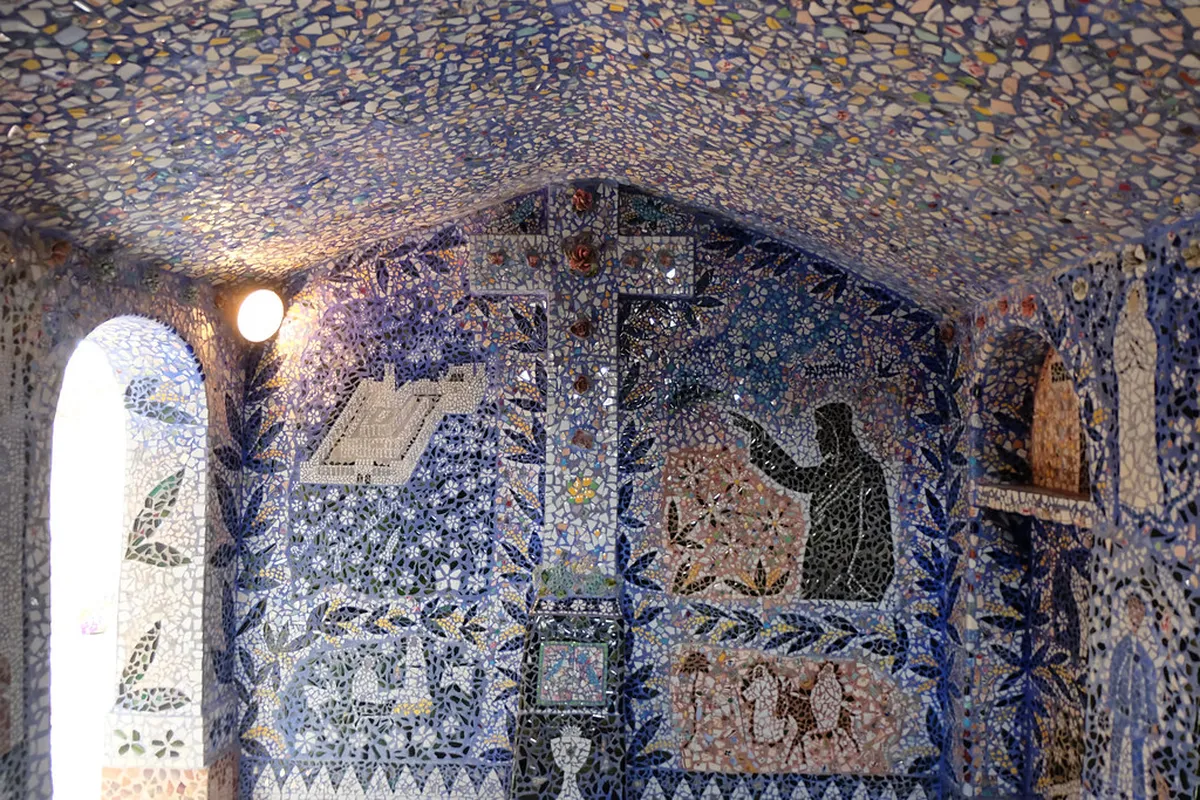
The Maison Picassiette mosaic architecture style relies heavily on the use of recycled materials. This specific method of decorating is often called the trencadis technique in Chartres by art historians. It involves using broken ceramic shards to create complex and colorful mural designs. Isidore used everything from old plates to glass bottles for his artistic work. This approach creates a vibrant and textured surface that catches the sunlight beautifully. The visual effect is both chaotic and deeply organized at the same time.
Every inch of the property features these colorful and intricate mosaic patterns today. Isidore covered the walls, the floors, and even the furniture with these shards. This total immersion in art makes the house feel like a dream world. The patterns range from simple geometric shapes to very complex religious scenes. You can spend hours looking at the different details in just one room. Each piece was carefully placed by hand to achieve a specific visual look.
The materials used in the construction were mostly salvaged from local garbage dumps. Isidore would walk for miles to find the perfect colors for his designs. He often used blue and white shards to depict the sky and clouds. Red and yellow pieces were used for flowers and other natural elements. This dedication to finding specific colors shows his commitment to his artistic vision. The result is a house that glows with a wide range of colors.
Maison Picassiette mosaic architecture stands out because of its unique handmade quality. Unlike modern buildings, every detail here has a personal touch from the artist. The irregular shapes of the shards add a sense of movement to the walls. It feels like a living sculpture that grows more beautiful with every look. This style has inspired many other folk artists around the world over time. It remains one of the best examples of spontaneous architecture in Europe.
Key Features of the Main House Interior
The interior of the house is divided into several small and cozy rooms. Each room features a different theme that reflects the interests of Raymond Isidore. You will see depictions of famous buildings and beautiful landscapes on the walls. The kitchen is especially impressive with its decorated stove and various kitchenware items. Even the beds and chairs are covered in layers of colorful glass pieces. It creates an atmosphere that is both cozy and visually intense for visitors.
One of the most striking areas inside the house is the blue room. This space is dedicated to religious themes and features many intricate biblical scenes. Isidore used mostly blue glass to create a peaceful and spiritual environment here. You can see images of saints and angels watching over the small room. The level of detail in the mosaic work is truly breathtaking to behold. It shows the deep faith and devotion of the artist who built it.
The living room features large murals that depict the surrounding city of Chartres. You can easily recognize the famous towers of the cathedral in the mosaic art. These scenes provide a unique perspective on the city from the mid-twentieth century. Isidore captured the essence of his home town using only broken pieces of pottery. The colors are muted but effective in creating a sense of local history. It feels like walking through a three-dimensional painting of the entire city.
Visitors should pay close attention to the floors as they walk through the house. The mosaic patterns under your feet are just as detailed as the walls. Some floors feature floral designs while others have complex geometric or abstract shapes. Be sure to look at the ceiling which is also completely decorated with art. No part of the interior was left untouched by Isidore's busy artistic hands. This complete coverage is what makes the interior so incredibly unique today.
Exploring the Gardens and Exterior Structures
The outdoor areas of the property are just as impressive as the interior. You will find several small courtyards and garden paths to explore during your visit. The visiting Maison Picassiette garden experience offers a chance to see large outdoor murals. These exterior walls feature scenes from nature and various exotic animals from far away. The gardens provide a peaceful place to reflect on the incredible artwork nearby. It is a perfect spot for taking photos of the colorful architecture.
The Courtyard of the Virgin is a major highlight of the outdoor space. This area contains a large mosaic throne and several smaller decorative shrines for prayer. Isidore built these structures to honor his religious beliefs and his family members. The throne is covered in beautiful patterns that represent royalty and divine power. It is one of the most photographed features on the entire artistic property. The sunlight makes the glass shards sparkle with a magical and bright glow.
Another interesting feature is the small chapel located at the back of the garden. This structure is also completely covered in mosaics both inside and on the outside. It serves as a quiet place for meditation and reflection for all visitors. The chapel features designs that include birds, flowers, and many religious symbols. It shows how Isidore integrated his art into every aspect of his daily life. The craftsmanship here is just as refined as in the main house.
The Garden of Paradise is the final section of the outdoor tour area. This space represents Isidore's vision of a perfect and peaceful world for everyone. It features a tomb that the artist built for himself and his wife. Even the tomb is decorated with the same beautiful mosaic style as the house. This area feels very personal and provides a moving conclusion to the visit. It demonstrates that Isidore viewed his house as his eternal resting place.
Comparing Folk Art and Gothic Styles in Chartres
Chartres is mostly famous for its stunning high Gothic architecture of Chartres Cathedral. The cathedral represents the peak of medieval engineering and professional religious artistic skill. In contrast, Maison Picassiette is a masterpiece created by a single self-taught man. Both sites show a deep devotion to art and religious spiritual themes. One is grand and massive while the other is small and intimate. They offer two very different perspectives on the history of the city.
The cathedral uses stained glass to tell stories to the many faithful visitors. Maison Picassiette uses broken glass to create a personal and private creative world. Both techniques rely on the beauty of light passing through colorful glass pieces. However, the mosaic house feels much more accessible and relatable to common people. It shows that anyone can create beauty using the items around them. This contrast makes a trip to Chartres feel very balanced and complete.
Architectural enthusiasts will enjoy comparing the structures of these two very different landmarks. The cathedral features soaring arches and heavy stone buttresses for support and strength. Maison Picassiette features small rooms and recycled materials found in the local area. Both buildings have survived for many years due to careful preservation efforts today. They represent different eras and different social classes within the historic city. Seeing both allows you to appreciate the full spectrum of local art.
Exploring the architecture in Chartres reveals many hidden secrets and artistic wonders for travelers. Most people come for the cathedral but stay for the unique mosaic house. The city offers a rich variety of styles from different periods in history. Maison Picassiette adds a layer of modern folk art to the ancient surroundings. It proves that the artistic spirit of Chartres is still very much alive. You should definitely make time to see both during your next trip.
Practical Travel Tips for Your 2025 Visit
Planning a trip to see Maison Picassiette mosaic architecture in 2025 is very easy. The house is located at 22 Rue du Repos in a residential area. You can reach the site by taking a short bus ride from the center. Walking from the main cathedral takes about twenty-five minutes for most active visitors. The site is usually open from April through the end of October each year. Be sure to check the official website for specific seasonal opening hours.
The admission price for adults is approximately nine Euros for a standard self-guided tour. There are discounted rates available for students, seniors, and large traveling groups. It is best to buy your tickets in advance during the peak summer months. The site can get quite crowded on weekends and during local school holidays. Visiting on a weekday morning will provide a much more peaceful experience for you. Allow at least ninety minutes to see all the different sections properly.
Wear comfortable walking shoes when you visit this unique and historic artistic site. The floors are covered in mosaics and can be slightly uneven in some areas. Photography is allowed but you should avoid using a flash inside the small rooms. There is a small gift shop where you can buy books about the artist. Many of these books explain the history of the various mosaic patterns in detail. You can also find postcards featuring the most famous scenes from the house.
Combine your visit with a trip to the nearby park for a relaxing afternoon. The Saint-Cheron neighborhood is very quiet and offers a glimpse into local life today. There are several small cafes where you can grab a quick lunch or coffee. Visiting the house is a great way to escape the busy city center crowds. You will leave with a deep appreciation for the hard work of Raymond Isidore. It is truly one of the most inspiring places in all of France.
Frequently Asked Questions
What is the best time to visit Maison Picassiette in 2025?
The best time to visit is during the late spring or early autumn months. The weather in Chartres is very pleasant during May, June, and September. You will enjoy seeing the garden murals in the bright and natural sunlight. Try to arrive early in the morning to avoid the largest tourist groups.
Who exactly was Raymond Isidore?
Raymond Isidore was a local Chartres resident who worked as a cemetery worker. He is the sole creator of the famous Maison Picassiette mosaic architecture site. Isidore spent thirty years of his life decorating his home with broken glass shards. He is now celebrated as a major figure in the world of folk art.
How much does it cost to enter the mosaic house?
The standard entry fee for an adult is currently around nine Euros for the tour. Discounts are often available for children, students, and senior citizens with valid identification. Prices are subject to small changes, so check the latest 2025 rates before visiting. The ticket includes access to both the house and the outdoor garden areas.
Is the Maison Picassiette suitable for young children?
Yes, children often find the colorful mosaics and animal designs to be very engaging. However, parents must ensure that children do not touch the delicate glass surfaces. The small rooms can be a bit tight for large strollers or prams. It is a great educational experience for kids interested in art and recycling.
Maison Picassiette mosaic architecture is a true wonder of the modern artistic world. It represents the lifelong passion and dedication of Raymond Isidore to his creative vision. This unique home offers a colorful and inspiring journey for every visitor who enters. You will leave Chartres with a new perspective on the beauty of recycled art. Make sure to include this incredible site on your 2025 travel itinerary today. It is an experience that you will remember for many years to come.
Key Takeaways
- Visit during the spring or fall for the best weather and lighting conditions.
- Allow at least 90 minutes to explore the house and the gardens fully.
- The house is a 25-minute walk from the main Chartres Cathedral.
- Adult entry costs approximately nine Euros and supports site preservation.
- Every surface of the house is covered in mosaics made from recycled glass.
Related reads: architecturebycity.com, chartres cathedral royal portal sculptures, medieval half timbered houses in chartres.