
Ajaccio Town Hall Architecture: A Neoclassical Guide
Explore the stunning Ajaccio Town Hall architecture and its imperial history. Learn why this building is a top site for your 2025 trip. Plan your visit now!
On this page
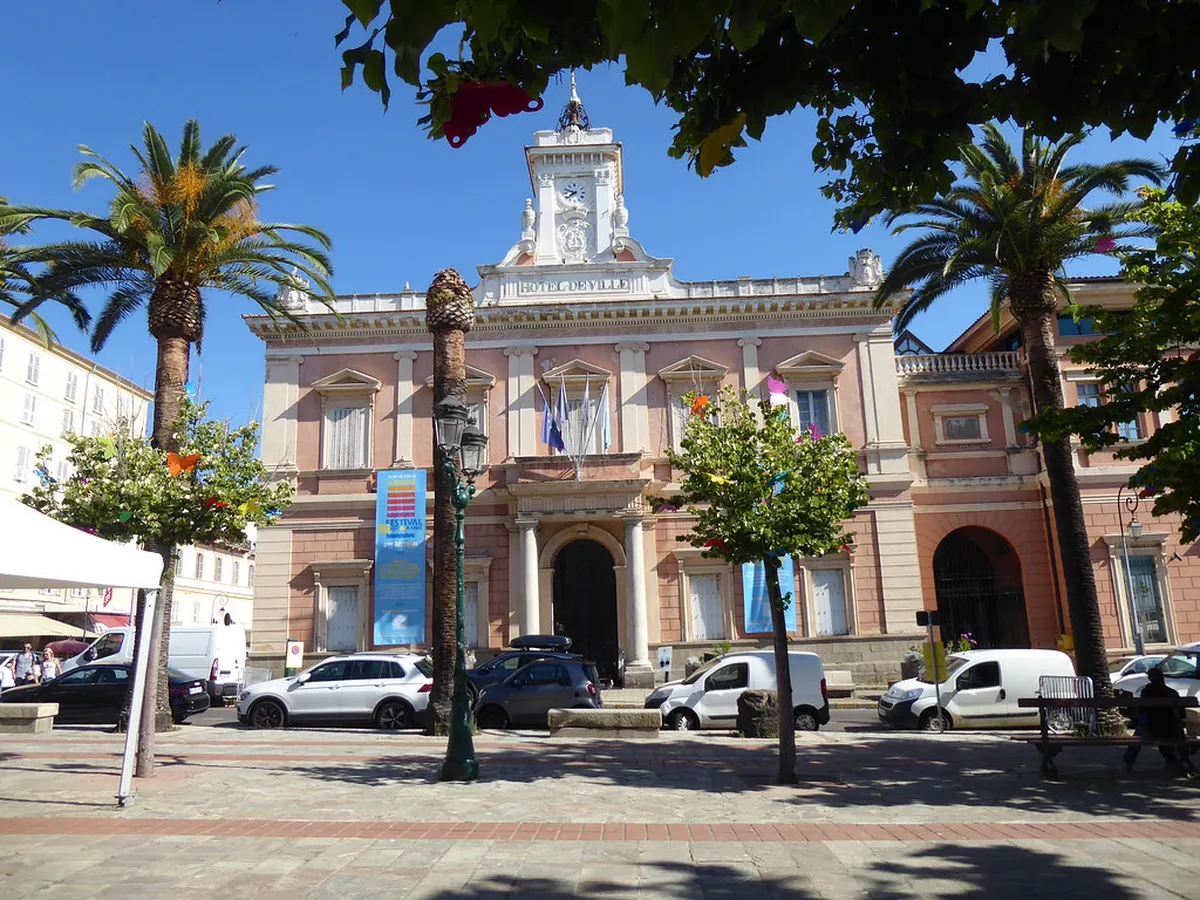
Ajaccio Town Hall architecture represents a significant period of civic growth during the nineteenth century in Corsica. This landmark stands as a testament to the city's connection with the French Empire and Napoleonic history. Visitors often admire the building for its balanced proportions and its elegant stone facade near the sea. It remains one of the most prominent neoclassical buildings in Ajaccio for modern travelers to visit.
The structure serves as a primary example of how civic power is visualized through classical design elements. It helps define the waterfront of this historic port city while offering a home for administrative functions. Many tourists visit specifically to see the connection to the Bonaparte family and the local government history. You will find the entrance near the palm trees of the main square in the city center.
The History of Ajaccio Town Hall Architecture
Construction of this grand structure began in the early 1820s during a time of significant urban expansion. The local government wanted a building that reflected the importance of the city as a regional capital. Architects worked diligently to ensure the building matched the prestige of the French state at the time. It took several years to complete the primary structural elements of the town hall for the community.
King Louis-Philippe eventually oversaw the completion of the project during his reign in the 1830s. The building underwent several renovations to house the growing administrative needs of the local Corsican community over time. Each phase of construction added new layers of detail to the interior and exterior of the site. Today, it stands as a primary symbol of civic life for the people living in Ajaccio.
Historic documents suggest that the site was chosen for its proximity to the bustling port area. This location allowed officials to monitor maritime trade while remaining accessible to the general public for business. The architecture reflects this dual purpose by being both imposing and welcoming to its daily visitors and staff. It remains a key stop for anyone interested in the political history of the Mediterranean island.
The materials used during construction were sourced from local quarries to ensure a high level of quality. Skilled craftsmen carved the stone to create the smooth surfaces seen on the front of the building. These traditional methods have helped the structure survive the coastal weather for nearly two centuries now. Preservation efforts in 2025 continue to protect these original building materials for future generations of residents.
Key Design Features and Exterior Details
The front of the building features a very symmetrical design that is common in classical French architecture. Large, tall windows line the upper floors to allow natural light to fill the administrative offices inside. The ground floor displays heavy masonry work that provides a visual foundation for the entire civic structure. These choices create a sense of balance and harmony for anyone viewing the building from afar.
A central balcony offers a place for officials to address the crowds gathered in the square below. The balcony is supported by decorative brackets that showcase the fine masonry skills of the original builders. Above this feature, the city crest is displayed prominently to remind visitors of the building's official status. Such details highlight the pride that the community takes in its local government and architectural history.
The roofline of the town hall is simple yet elegant, following the standard rules of the Neoclassical style. It avoids the excessive ornamentation seen in later styles to maintain a dignified and serious visual appearance. This aesthetic choice aligns with the function of the building as a place of law and order. The clean lines help the structure stand out against the more colorful buildings in the surrounding area.
- Symmetrical Windows: Perfectly aligned openings across the main facade.
- Stone Pediment: A triangular architectural feature representing authority.
- Wrought Iron Balconies: Traditional metalwork adding elegance to the upper levels.
- Local Masonry: Use of high-quality stone from the island of Corsica.
The Grand Salon Napoléonien Interiors
One of the most famous parts of the building is the Salon Napoléonien on the first floor. This room is a dedicated museum space that celebrates the legacy of the most famous Corsican family. It contains a vast collection of paintings, sculptures, and historical artifacts from the First and Second Empires. Visitors can see portraits of Napoleon Bonaparte and his many family members on the grand walls.
The ceiling of the salon is decorated with intricate plasterwork and gilded details that reflect imperial wealth. Large chandeliers hang from the center of the room to provide a warm and inviting light for guests. The furniture is designed in the Empire style, featuring mahogany wood and brass accents that were popular then. It feels like stepping back into the early 1800s when the family ruled over much of Europe.
A collection of bronze medals and coins is also on display within glass cases around the room. These items provide a detailed look at the propaganda and artistic achievements of the Napoleonic era in France. Historians often visit the town hall specifically to study these rare pieces of Mediterranean and European heritage. The room is carefully climate-controlled to ensure the long-term preservation of these very sensitive historical items.
Access to the salon requires a separate ticket that can be purchased at the main reception desk today. This room is considered the heart of the building for many tourists seeking a connection to Napoleon. It offers a quiet space to reflect on the impact of one family on world history and art. The salon remains one of the most visited rooms in any civic building across the entire island.
Urban Planning and Place Foch Integration
The town hall is perfectly situated at the head of the famous Place Foch in central Ajaccio. This location makes it a focal point for the city's urban layout and general pedestrian traffic flow. The building faces a grand fountain and rows of palm trees that create a beautiful public space. This Place Foch urban design helps connect the historic center with the modern harbor area.
Large public events often take place in the square right in front of the town hall's doors. These gatherings range from local markets to formal ceremonies and seasonal festivals throughout the calendar year. The architecture of the town hall provides a dramatic backdrop for these important community and social events. It acts as an anchor for the social life of the city for both locals and tourists.
Urban planners in the nineteenth century designed the square to emphasize the power of the municipal government. The broad open space allows for unobstructed views of the neoclassical facade from many different angles today. This layout encourages people to gather and appreciate the architectural heritage of their surroundings while they walk. It creates a seamless transition between the sea and the dense streets of the old town area.
The proximity to the harbor allowed the town hall to be the first major building seen by sailors. This visibility was a strategic choice to project an image of Corsican prosperity to the outside world. Even today, the building remains a landmark that guides people as they explore the winding city streets. It is a vital component of the city's historical and architectural identity in the twenty-first century.
Visiting the Town Hall in 2025
Planning a visit to this historic site is relatively simple for most travelers staying in the city. The town hall is open to the public during regular business hours throughout the standard working week. However, the heritage rooms and the salon have specific hours that may differ from the administrative offices. It is always wise to check the official city website for any holiday closures before you arrive.
The entrance fee for the Salon Napoléonien is usually very affordable for the average international or local traveler. You can expect to pay around four or five Euros for a standard adult admission ticket today. This price includes access to the main historical exhibits and the grand reception rooms of the building. Students and senior citizens often receive a discount on their entry price at the main desk.
Photography is generally allowed within the public areas but may be restricted inside the museum rooms themselves. Always look for signs or ask the staff before taking pictures of the sensitive Napoleonic portraits and items. Using a flash is often prohibited to protect the delicate pigments in the old paintings and fabrics. Following these rules helps ensure that the art remains in good condition for all future visitors.
The building is located near many other Napoleonic landmarks in Ajaccio that you can visit on the same day. You can easily walk from the town hall to the Bonaparte family home in just a few minutes. This cluster of sites makes the area a perfect base for a historical walking tour of the city. Wear comfortable shoes as the streets around the square are paved with traditional and uneven stone blocks.
Frequently Asked Questions
What is the architectural style of Ajaccio Town Hall?
The building follows the Neoclassical style, which was popular during the early nineteenth century in France. It features symmetrical lines, tall windows, and a triangular pediment on the central facade of the structure.
Can you visit the interior of the town hall?
Yes, the public can visit the Salon Napoléonien and other heritage rooms for a small entry fee. These areas showcase paintings and historical artifacts related to the Bonaparte family and the French Empire.
Where is the Ajaccio Town Hall located?
The town hall is situated on Avenue Antoine Serafini, overlooking the Place Foch and the city harbor. It is in the heart of the historic district and is easily accessible by foot or bus.
How much does it cost to enter the Salon Napoléonien?
As of 2025, the entry fee for adults is approximately four to five Euros per person. Discounts are usually available for students, children, and large groups who book their tour in advance.
The Ajaccio Town Hall architecture is a vital part of the city's cultural and historical landscape in 2025. Its blend of Neoclassical design and imperial history makes it a must-see destination for every visitor to Corsica. Plan your visit today to see the grand halls and the famous Salon Napoléonien for yourself. This building truly captures the spirit and the long-lasting legacy of the Napoleonic era on the island.
Key Takeaways
- Explore the famous Salon Napoléonien for a deep dive into French imperial history.
- Admire the strict Neoclassical symmetry and local stone masonry of the facade.
- Visit the building at Place Foch to see its central role in urban design.
- Check for small entry fees and specific heritage room hours before your arrival.
Related reads: architecturebycity.com, architecture in ajaccio, empire style interiors in ajaccio.