
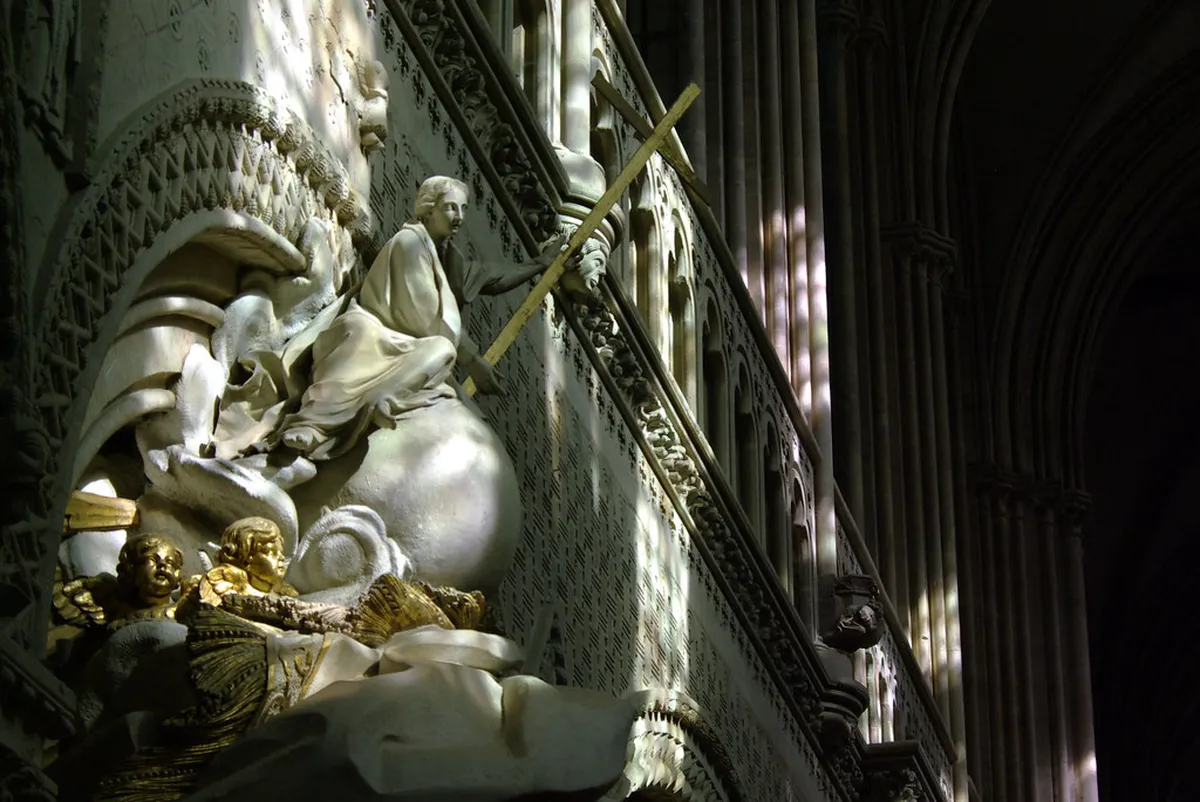
Baroque interior of Cathédrale Notre-Dame in Ajaccio
Explore the stunning Baroque interior of Cathédrale Notre-Dame in Ajaccio. See Napoleon's baptismal font and art by Delacroix. Plan your 2025 visit now!
On this page
The stunning Baroque interior of Cathédrale Notre-Dame showcases remarkable artistry in the heart of Ajaccio. Visitors often find the detailed carvings and golden accents throughout the space truly breathtaking. This historic site reflects the deep religious heritage and unique cultural identity of Corsica. Exploring this site offers a deep dive into the local Ajaccio Cathedral architectural style today.
Entering the building reveals the magnificent Baroque interior of Cathédrale Notre-Dame for every curious traveler. The high vaulted ceilings create a feeling of immense space and spiritual grandeur for all visitors. Many people come to admire the harmonious blend of artistic periods within the stone walls. You will discover a world of silent beauty that has stood for over four centuries.
The cathedral serves as a peaceful sanctuary away from the busy streets of the modern city. Its design captures the essence of the Mediterranean religious spirit and Genoese historical influence. Every corner of the building tells a story about the people who built it long ago. This guide will help you understand the artistic treasures found inside the famous landmark.
Artistic Majesty and Decorative Flourishes
The Baroque interior of Cathédrale Notre-Dame features a stunning array of colorful frescoes and gold decorations. These artistic choices create a powerful visual impact that captures the attention of every person who enters. The central nave draws your eyes toward the high altar with its complex and beautiful marble work. You can see how the different artistic periods have left their mark on the design.
Architects designed the space to evoke deep emotions through the use of light and shadow effects. This technique is a primary characteristic of the Ajaccio Cathedral architectural style found in this region. You will see how the sunlight highlights the intricate details on the walls during the midday hours. The play of light brings the static stone sculptures to life for a brief moment.
The use of stucco ornaments provides a sense of movement and energy to the structural pillars. Skilled craftsmen spent years perfecting the curves and patterns that decorate the upper reaches of the ceiling. Visitors often spend several minutes admiring the sheer complexity of these traditional Mediterranean design elements. Each floral motif was carved with precision to reflect the glory of the divine world.
Large windows are positioned high in the walls to allow natural light to flood the central nave. The way the light changes throughout the day creates a dynamic environment inside the large stone structure. Morning light is particularly beautiful as it illuminates the gold leaf on the many different altars. Photography enthusiasts often visit during these early hours to capture the best shots of the interior.
Intricate stucco work covers many of the surfaces and adds a layer of texture to the building. These decorations were created by skilled artists who traveled from Italy to work on the cathedral. The patterns include religious symbols that represent the values and the beliefs of the local church. Maintaining these delicate plaster decorations requires constant care and attention from modern restoration experts today.
Famous Works within the Side Chapels
There are seven distinct chapels located along the sides of the main nave in this historic cathedral. Each chapel tells a different story through its unique selection of religious paintings and marble sculptures. The Chapel of the Madonna of Mercy remains the most significant and most ornate of these spaces. You can find beautiful altarpieces that showcase the talent of past generations of artists.
A famous painting by Eugène Delacroix titled The Triumph of Religion hangs in one of the side chapels. This masterpiece adds a layer of fine art prestige to the Baroque interior of Cathédrale Notre-Dame. The vibrant colors of the painting stand out against the soft tones of the ancient stone walls. Many art lovers travel across France specifically to see this important romantic work of art.
Ornate iron gates protect some of these smaller shrines while allowing visitors to see the treasures within. Detailed descriptions are often available to explain the history and the meaning behind each specific religious icon. Taking the time to study these details provides a deeper understanding of the local spiritual culture. Each chapel offers a private space for reflection and prayer away from the main aisles.
The marble used in these chapels was often sourced from local quarries on the island of Corsica. You will notice the variety of colors ranging from deep reds to soft greys in the stone. These materials were chosen for their durability and their natural beauty to honor the saints and martyrs. The craftsmanship required to carve such hard stone into delicate shapes is truly impressive to behold.
Artists used gold leaf and vibrant pigments to create a sense of divine majesty inside each small chapel. These artistic choices reflect the Counter-Reformation spirit that influenced many Mediterranean churches during that era. You can see the influence of Italian masters in the composition and the style of the paintings. The result is a collection of sacred art that rivals many larger European cathedrals.
Historical Ties to the Bonaparte Family
This cathedral holds a special place in history because of its connection to the famous Bonaparte family. Napoleon Bonaparte was baptized in this very building on July 21 in the year of 1771. The simple marble baptismal font used for this ceremony is still visible to the public today. This event makes the Baroque interior of Cathédrale Notre-Dame a site of global historical importance.
This event transformed the church into a site of national importance for the people of modern France. Many travelers include this stop as part of a wider religious heritage walk in Ajaccio during their stay. The connection to the Emperor adds a layer of political history to the religious significance of the site. It is a place where imperial history and religious devotion meet in a unique way.
You can feel the weight of history as you walk through the same doors as the Bonaparte family. The interior has been preserved carefully to ensure that future generations can experience this important piece of history. It serves as a living monument to the past while remaining an active place of local worship. Many families in the area still have deep personal connections to this sacred space.
The marble baptismal font stands near the entrance as a reminder of the early life of Napoleon. Families often visit this specific spot to connect with the heritage of the famous French leader. You can see the imperial symbols subtly integrated into the later decorative phases of the building. These details remind us of the lasting impact that one person had on the world.
Members of the Bonaparte family contributed to the upkeep and the decoration of the cathedral over the years. Their patronage helped to fund some of the beautiful artworks that we see during a visit today. The cathedral remains a symbol of the pride that the city feels for its most famous son. History comes alive through the physical objects and the stories preserved within these ancient walls.
Architectural Craftsmanship and Local Materials
The construction of the cathedral utilized local materials that reflect the natural beauty of the island of Corsica. Builders chose specific types of marble and stone to ensure the longevity of the Baroque interior of Cathédrale Notre-Dame. These materials have withstood the test of time and environmental factors for over four centuries now. The solid walls provide a cool refuge during the hot summer months on the coast.
Master masons used advanced techniques to create the tall arches that support the weight of the roof. The harmony between the heavy stone and the delicate decorations is a hallmark of the cathedral design. Each block of stone was carefully carved to fit perfectly within the complex layout of the naves. This precision ensures that the building remains structurally sound after centuries of continuous use.
Wooden elements like the pews and the choir stalls show the high level of skill of local carpenters. These functional pieces are decorated with subtle carvings that complement the grander themes found throughout the building. The combination of different materials creates a rich texture that is very pleasing to the human eye. Every piece of wood was selected for its grain and its ability to age beautifully.
The high altar is made from fine marble that was gifted by the town of Ajaccio in 1811. It stands as the centerpiece of the cathedral and showcases the wealth of the local religious community. Decorative statues of angels surround the altar and add to the sense of divinity in the room. Every element of the altar was designed to draw the eyes toward the heavens.
Skilled artists traveled from distant lands to contribute their talents to the interior design of the cathedral. They brought with them the latest techniques in plastering and gilding from the major art centers of Europe. This exchange of ideas resulted in a building that reflects both local traditions and international styles. The craftsmanship seen today is a testament to the dedication of these anonymous masters.
The Atmosphere of Quiet Contemplation
Walking into the cathedral immediately provides a sense of peace and coolness away from the busy city streets. The scent of ancient incense and old wood fills the air to create a very traditional atmosphere. Soft music sometimes plays in the background to enhance the contemplative mood of the large interior space. It is a place where time seems to slow down for the weary traveler.
The acoustics of the high vaulted ceilings allow for wonderful sound resonance during the regular choir performances. Hearing a local choir sing inside the Baroque interior of Cathédrale Notre-Dame is an unforgettable experience for many. The sound waves travel beautifully across the open spaces and reach every corner of the naves. This auditory experience adds a spiritual dimension to the visual beauty of the architecture.
Touches of cool marble under your hands and the sight of flickering candles add to the overall experience. These sensory details help to transport visitors back to the sixteenth century when the cathedral was first built. It is a place that engages all of your senses in a quiet and respectful manner. You can find a moment of stillness in the middle of a busy vacation.
The shadows in the corners of the side chapels create a sense of mystery and ancient devotion. People have come to this place for centuries to seek comfort and to offer their silent prayers. You can see the wear on the stone floors where countless feet have walked over many years. This physical connection to the past is a powerful part of the visiting experience.
The quietness of the space is preserved by the respect shown by all visitors who enter the doors. Even during the peak tourist season, the cathedral maintains its dignity as a house of prayer and worship. The transition from the bright sunlight of the square to the dim interior is a symbolic journey. Many people find that a short visit here helps to clear their minds and refresh their spirits.
Tips for Exploring the Cathedral in 2025
Visiting the cathedral in 2025 requires some planning to avoid the busiest times of the tourist season. It is best to arrive early in the morning when the light is most beautiful for photos. Admission is generally free but visitors should remember to dress modestly and keep their voices very low. These simple rules help to maintain the sanctity of the Baroque interior of Cathédrale Notre-Dame.
You should check the schedule for religious services before planning your visit to avoid interrupting any local ceremonies. The cathedral remains an active place of prayer for the community and deserves the utmost respect from guests. Guided tours are often available if you want to learn more about the specific history of the art. These experts can point out hidden details that you might otherwise miss on your own.
Exploring this landmark is a key part of visiting historic sites in Ajaccio during your summer holiday. Make sure to allow at least one hour to see all the chapels and the main altar area. The surrounding streets of the old town also offer many interesting shops and small cafes to enjoy. A visit to the cathedral is the perfect start to a day of cultural discovery.
Be aware that the cathedral may be closed to tourists during important religious holidays or local festivals. Always look for updated information on the local tourism boards to ensure that the doors will be open. Bringing a small guidebook can help you identify the different saints and the biblical scenes on the walls. Taking your time allows you to fully appreciate the effort that went into the design.
Respect the local customs by not using flash photography inside the building to protect the delicate old paintings. Many people appreciate it when visitors turn off their mobile phones before they enter the sacred space. You can find many quiet benches where you can sit and enjoy the beauty of the architecture. This mindful approach to travel ensures a better experience for everyone who visits in 2025.
Frequently Asked Questions
What is the main architectural style of the cathedral interior?
The main style is Baroque with strong Genoese influences from the late sixteenth century. You will see this in the ornate stucco and the use of dramatic light. This style creates a feeling of movement and spiritual energy throughout the entire building.
Can I see the baptismal font where Napoleon was baptized?
Yes, the marble font is located near the entrance and is clearly marked for visitors to see. It is a very important historical artifact for those interested in the life of Napoleon Bonaparte. The font is a simple and elegant piece of history that remains in its original location.
Is there a fee to enter the cathedral in Ajaccio?
Entry to the cathedral is free for all visitors throughout the year in the city of Ajaccio. Donations are always welcome to help with the ongoing maintenance and the preservation of the historic artwork. It is one of the most accessible historic sites for travelers on a budget.
When is the best time to take photographs of the interior?
The best time is during the morning hours when natural light enters through the high windows. Please remember to turn off your flash to protect the delicate paintings and respect the quiet atmosphere. The soft light of the morning highlights the gold details beautifully for your pictures.
The Baroque interior of Cathédrale Notre-Dame is a true gem that showcases the history and art of Ajaccio. From the Napoleonic baptismal font to the Delacroix painting, there is so much for every traveler to discover. Plan your trip to this historic site in 2025 to experience the beauty of Corsican heritage for yourself. It is an essential stop for anyone who loves art and history.
Key Takeaways
- Witness the original baptismal font of Napoleon Bonaparte near the entrance.
- Admire the famous Triumph of Religion painting by artist Eugène Delacroix.
- Experience the unique Genoese Baroque architectural style in the central nave.
Related reads: architecturebycity.com, architecture in ajaccio, ochre facades of ajaccio churches.