
Maison Bonaparte Architectural Features in Ajaccio
Explore Maison Bonaparte architectural features in Ajaccio. Learn about the birthplace of Napoleon and 2025 visiting tips in this guide. Book your tour now!
On this page
Welcome to the historic heart of Ajaccio where history comes alive in every stone and street. This city holds the famous Maison Bonaparte architectural features within its narrow and winding Mediterranean paths. This house witnessed the birth of Napoleon Bonaparte in the year 1769 during a time of change. It remains a vital piece of French and Corsican history for every traveler to visit today.
The building sits in the charming Old Town area near the bright and blue sea. You will find it tucked away in a quiet corner of the busy city center streets. The exterior looks like a typical Genoese townhouse from that ancient and interesting era of construction. Many visitors come here to see exactly where the future emperor lived during his young childhood years.
The residence stands as a symbol of the rise of a powerful family on the island. Its simple design hides a complex story of survival and political growth over many difficult centuries. Architects admire the way the building has survived numerous conflicts and changes in local government styles. It is now a national museum that preserves the legacy of the Bonaparte family for all time.
As you walk through the doorway you feel the weight of centuries of important historical events. The walls tell a story of a family that would eventually rule over much of Europe. You will discover how the local environment influenced the design and the materials of this sturdy home. This guide will explore every detail of the house to help you prepare for your visit.
Evolution of Maison Bonaparte Architectural Features
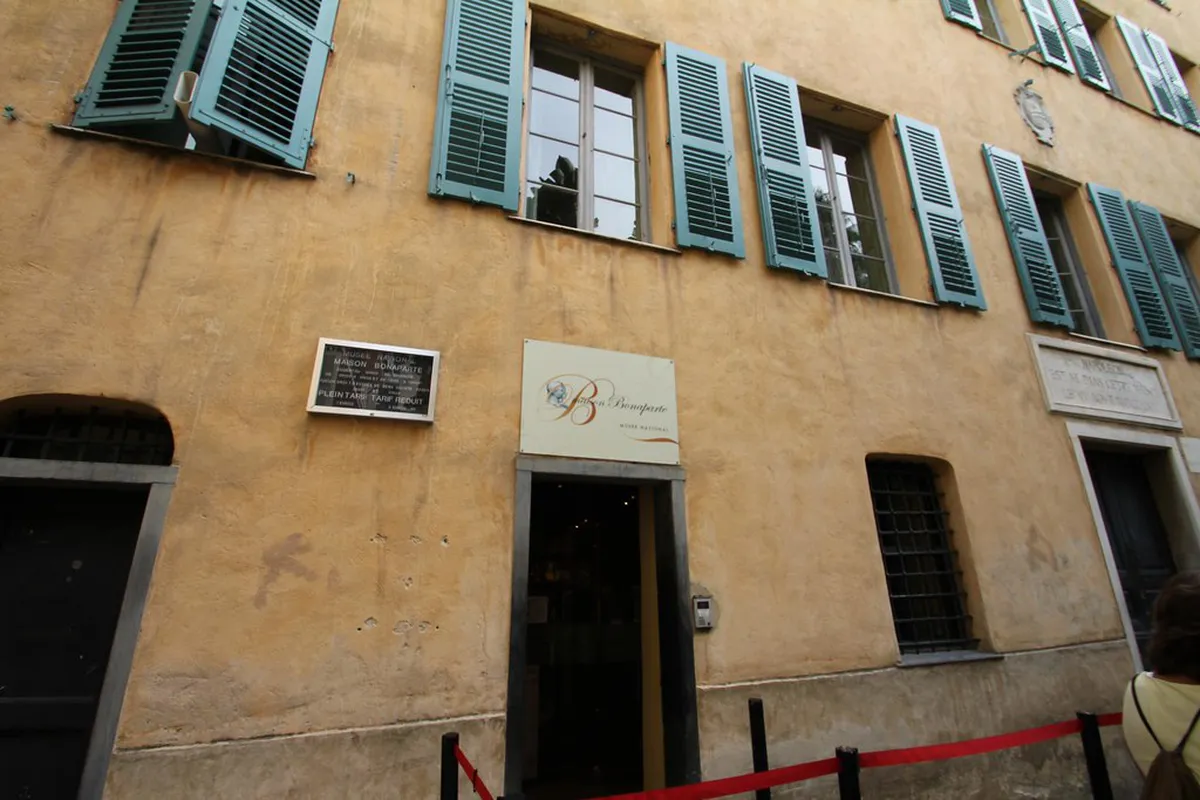
The external design of the residence showcases many unique Maison Bonaparte architectural features from the late eighteenth century. This structure reflects the typical style of urban townhouses built during the Genoese period in Corsica. You will notice the tall facade that rises several stories above the narrow street of Rue Saint-Charles. The building uses local granite and limestone to provide a solid foundation for the heavy upper floors.
The windows are arranged in a symmetrical pattern that was common for wealthy families during this specific era. Each window has wooden shutters that help to regulate the temperature and light inside the various rooms. You can learn more about the Ajaccio Genoese architecture by observing the simple decorative moldings on the wall. These small details show the social standing of the Bonaparte family before their rise to global power.
The facade includes small balconies that were added during later renovations to improve the overall building style. Most rooms inside the house feature high ceilings that allowed air to circulate during the hot summer. Large wooden doors provide a strong entrance point to the ground floor storage areas of the home. These features combine to create a residence that was both practical and prestigious for its time and place.
Over the years the building underwent several expansions as the family grew in size and wealth. The architects added new wings to the house to create more living space for the many children. You can see the slight differences in the masonry where the old walls meet the newer sections. This growth reflects the increasing influence of the family within the local community of old Ajaccio.
Interior Spatial Layout of the Bonaparte Residence
The interior spatial layout reveals how a large family lived within the dense urban center of the city. The ground floor was originally used for storage and domestic tasks rather than for the main living areas. You will find a central staircase that connects the different levels of the house in a vertical flow. This design maximized the limited space available on the small plot of land in the old town.
The first floor contains the formal reception rooms where the family entertained their many guests and local relatives. These rooms feature higher ceilings and more ornate decorations compared to the smaller bedrooms on the upper floors. You will see how the architects used every square meter to create a functional yet impressive family residence. The layout allowed for privacy while still providing enough room for the daily activities of the household.
One of the most famous features of the interior is the secret trapdoor used for emergency escapes. This hidden element shows the dangerous nature of political life in Corsica during the late eighteenth century. The family had to be prepared for sudden attacks or the need to leave the house very quickly. This practical addition is a favorite highlight for many tourists who visit the museum during the year.
The bedrooms on the top floor are much smaller and simpler in their overall design and decoration. These private spaces were meant for rest and offered a quiet escape from the busy streets below. You can imagine the young Napoleon studying in these rooms before he left the island for his education. The layout preserves the intimate feeling of a real family home despite its current status as a museum.
Structural Materials and Eighteenth Century Craftsmanship
The structural materials used in the building provide a fascinating look at the construction techniques of the past. Builders used thick stone walls to ensure the house could withstand the test of time and the weather. These walls are covered with a smooth lime plaster that helps to protect the stone from the salt air. The roof consists of traditional red clay tiles that are common throughout the Mediterranean region and Corsica.
Inside the house you will find sturdy timber beams that support the weight of the various upper floor levels. These beams were often made from local chestnut wood which was known for its great strength and long durability. The floors in the main rooms feature terracotta tiles that keep the interior cool during the hot summer. Each material was chosen for its practical benefits as well as its availability within the local island market.
The use of wrought iron for the balcony railings and window guards adds a touch of elegance to the exterior. Skilled local craftsmen forged these metal elements by hand using traditional methods that were passed down through many generations. You can see the marks of the hammer on the metal if you look closely at the details. These artistic touches elevate the simple stone structure into a residence of significant architectural interest and beauty.
The preservation of these materials is a priority for the museum curators who manage the site in modern times. They use traditional techniques to repair any damage to the plaster or the wooden beams in the house. This dedication to authenticity ensures that the building looks much like it did when the family lived there. Visitors can appreciate the honest craftsmanship that has allowed the house to stand for over two hundred years.
Integration with Napoleonic Landmarks in Ajaccio
Comparing this house to other Napoleonic landmarks in Ajaccio helps to put its simple style into a broader context. While later monuments are grand and neoclassical this home remains rooted in the modest traditions of the past. The contrast shows how the Bonaparte family moved from local prominence to an imperial status over several decades. You can see the shift from functional Genoese designs to the elaborate styles of the nineteenth century.
Many other sites in the city feature marble statues and tall columns that signify the power of the empire. In contrast the Maison Bonaparte relies on its historical significance and its authentic preservation of domestic Corsican life. The building serves as the foundation for the entire Napoleonic trail that winds through the streets of the city. Understanding these architectural differences provides a deeper appreciation for the history of the famous leader and his family.
The proximity of the house to the cathedral shows the central role of the family in city life. You can walk from the birthplace to the place of baptism in just a few short minutes on foot. This physical connection highlights how the town was designed to support the needs of its most prominent local citizens. The architecture of the entire neighborhood reflects this closely knit social structure of the eighteenth century period.
Visiting these related sites allows you to see the full range of architectural styles present in the local area. You will find that the Maison Bonaparte is the most personal and humble of all the imperial locations. It provides the human context for the massive monuments that you will see later in your walking tour. This balance between the private home and public monuments is essential for understanding the history of the city.
Planning Your 2025 Visit to Maison Bonaparte
Planning your visit in 2025 requires some basic knowledge about the current opening times and the local ticket prices. The museum is generally open to the public from Tuesday through Sunday for a very reasonable entrance fee. You should expect to pay around seven Euros for an adult ticket which includes access to all floors. It is best to arrive early in the morning to avoid the large tour groups from the ships.
The site has undergone several recent updates to improve the overall experience for people with limited mobility or vision. You will find informative plaques in multiple languages that explain the history of each room and its original purpose. The museum staff can provide extra details about the ongoing preservation efforts that happen throughout the current calendar year. Be sure to check the official website for any special events or temporary closures before you start your journey.
The museum is located at Rue Saint-Charles which is a very easy walk from the main port of Ajaccio. You can combine your visit with a stop at a local cafe to enjoy some traditional Corsican food. The surrounding streets are filled with small shops that sell souvenirs related to the history of the Bonaparte family. Spending a few hours in this area will give you a great sense of the local island culture.
Photography is allowed in some areas of the house but you must follow the rules to protect the artifacts. Please avoid using a flash because the bright light can damage the old fabrics and the delicate wall paintings. Respecting these rules helps to ensure that future generations can also enjoy the beauty of the historic residence. We recommend taking your time to soak in the atmosphere of each room as you walk through.
Frequently Asked Questions
What are the main Maison Bonaparte architectural features?
The house features a tall Genoese facade with symmetrical windows and thick stone walls for strength. It also has a unique vertical layout that connects multiple floors for domestic use and private living. The interior includes a famous trapdoor that was once used for emergency escapes during times of political unrest.
How do I find information about visiting historic sites in Ajaccio?
You can check the local tourism office or visit our guide for visiting historic sites in Ajaccio for tips. Most sites are open daily but can be very crowded during the peak of the summer travel season. We recommend booking your tickets online in advance to save time and ensure your entry into the museums.
Is the museum accessible for travelers with disabilities in 2025?
Yes the museum has made several improvements to ensure that more visitors can enjoy the historic rooms and displays. Some areas may still have steps due to the ancient design of the original eighteenth century townhouse structure. Staff members are available to assist you with any specific needs during your tour of the building floors.
The Maison Bonaparte remains a vital destination for anyone interested in the history and the unique style of Corsica. Its architectural features offer a rare glimpse into the daily life of a family that changed the world. We hope this guide helps you enjoy your next trip to the beautiful city of Ajaccio in 2025. Please consider visiting the museum to experience these historic walls and their fascinating stories for yourself today.
Key Takeaways
- Explore the birthplace of Napoleon to see authentic 18th-century Genoese construction and design elements.
- Examine the unique spatial layout that accommodated a large family in a dense and busy urban setting.
- Observe the structural preservation efforts that keep the 2025 visitor experience high in overall quality and detail.
Related reads: architecturebycity.com, architecture in ajaccio, imperial chapel ajaccio architecture.