
St. Denis Church Amboise Architecture Guide
Learn about St. Denis Church Amboise architecture in France. Discover Gothic influence and Romanesque roots for your 2025 visit. Explore Amboise history today!
On this page
St. Denis Church stands as a stunning historical gem located in the beautiful town of Amboise, France. This historic site showcases the unique and intricate St. Denis Church Amboise architecture for all modern visitors. Travelers flock to this sacred space to witness the perfect blend of Romanesque and Gothic design styles. It remains an essential stop for any dedicated architecture fan visiting the Loire Valley region in 2025.
The building provides a deep look into the religious history of this famous and charming French riverside town. You will find layers of artistic history preserved within the ancient stone walls and high vaulted ceilings. The church serves as a peaceful sanctuary away from the busy tourist crowds at the nearby royal palace. It offers a quiet place to reflect on the craftsmanship of medieval builders from many centuries ago.
The Romanesque Foundations of St. Denis
The history of this impressive church dates back to the middle of the 12th century in Amboise. It sits directly on the site of an even older sanctuary from the early medieval period in France. Builders used local materials and traditional methods for the initial construction of this sturdy and lasting landmark. This specific phase highlights the strength and simplicity of early medieval engineering found throughout the central region.
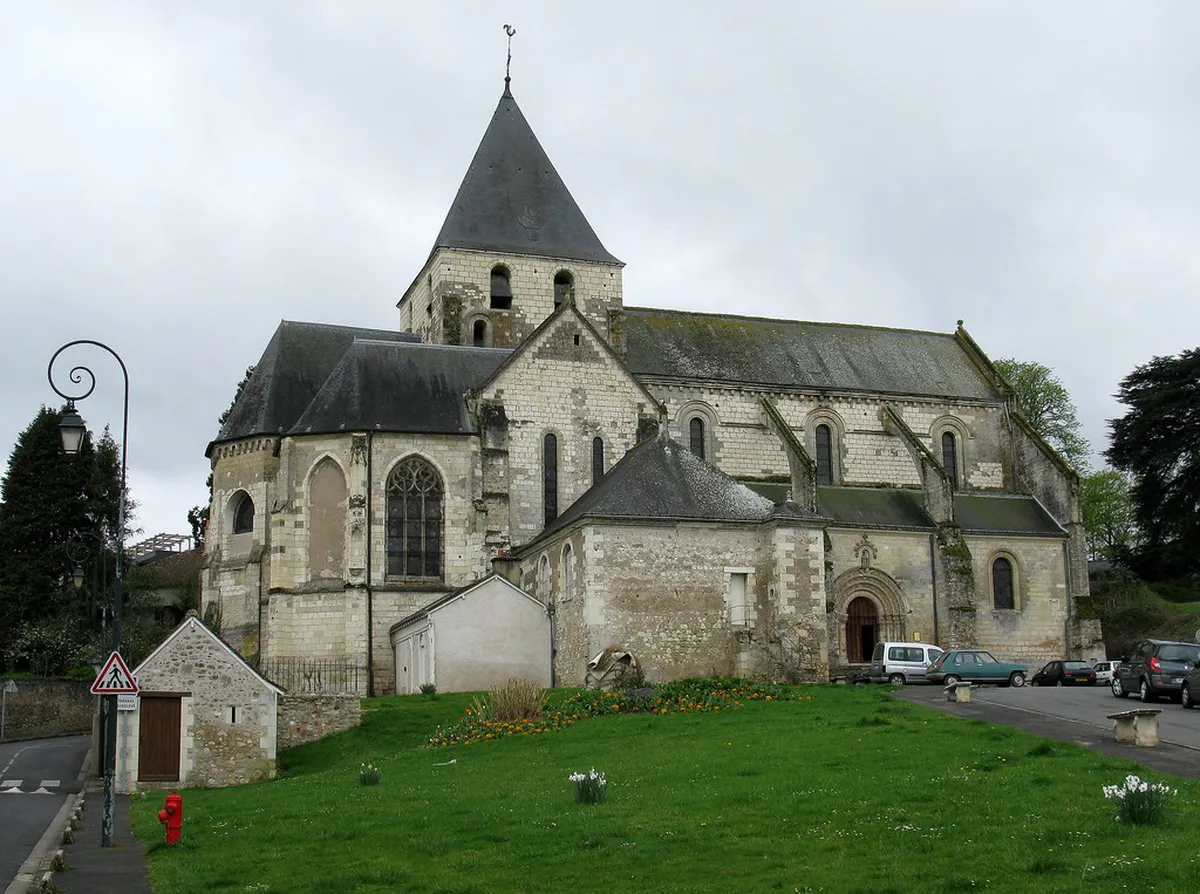
Romanesque styles clearly dominate the lower sections of the thick exterior walls and the heavy internal pillars. You can easily see massive masonry and wide rounded arches throughout the oldest parts of the building. These architectural features reflect the incredible strength required for religious sites during that turbulent time in history. The central nave still retains its original proportions and layout from this significant and ancient building era.
Small and narrow windows characterize this older architectural style found in the lower levels of the church. They allowed only limited amounts of natural light to enter the sacred space during the daylight hours. This specific design choice created a quiet and somber atmosphere perfect for medieval prayer and silent reflection. It contrasts very sharply with the larger and more decorative building techniques used in later centuries here.
Much of the original and ancient stonework survives to this day due to careful preservation and luck. Skilled professionals restored many sections of the facade during the extensive renovation projects of the 19th century. These dedicated efforts preserved the church's ancient Romanesque soul for future generations to study and enjoy. It provides a solid and historic base for all the later artistic and structural additions found today.
Gothic Influence in Amboise Buildings
St. Denis displays significant Gothic influence in Amboise buildings from the middle and later years of construction. The major transition began as architectural tastes shifted toward taller and lighter structures across the kingdom of France. Pointed arches slowly started replacing the older and heavier rounded forms in the upper sections of the church. This important change allowed for much taller ceilings and a more graceful overall appearance for the building.
Ribbed vaulting appeared in the ceiling of the choir during a major expansion in the 13th century. These complex and beautiful structures distribute the weight of the roof more efficiently than earlier solid barrel vaults. Master masons refined these technical skills throughout the region to create stunning and airy spaces for worshipers. The final result is an elegant interior that draws the eyes upward toward the heavens and light.
Large and decorative windows were added to bring much more natural light into the formerly dark interior. Intricate stained glass often filled these new openings to tell biblical stories to the local townspeople and visitors. Sunlight creates vibrant and colorful patterns across the old stone floors during the bright morning and afternoon hours. This beautiful effect was a major hallmark of the High Gothic period in European religious architecture history.
The fascinating combination of different styles makes this specific church a unique landmark in the Loire Valley. It successfully bridges the stylistic gap between several different medieval eras in one single and cohesive structure. You can see exactly how local design evolved over several centuries of growth and artistic change in Amboise. This architectural mix defines the skyline and adds to the historic charm of the modern city streets.
Notable Sculptures and Interior Details
The interior of the church houses several incredible sculptural works that represent the peak of local artistry. The "Entombment of Christ" remains the most famous and visited piece of art within the entire sacred building. It dates from the late 15th century and features several lifelike figures carved with great technical skill. This masterpiece provides a powerful visual representation of religious devotion from the end of the medieval period.
Local artists used soft limestone to create these highly emotive and detailed statues for the church interior. The expressions on the carved faces convey deep spiritual sorrow and a sense of profound human peace. Many historians consider this work to be one of the finest examples of late Gothic sculpture in France. It continues to draw many art lovers and historians to the church every year for close study.
You should also take time to look closely at the many carved capitals atop the stone pillars. They feature intricate foliage patterns and strange mythical creatures hidden within the detailed stone leaves and stems. These small and delicate details show the immense creativity and humor of the medieval craftsmen who worked here. Every single pillar tells a unique and different story from the distant past of the French people.
The organ loft is another significant highlight of the interior design found within the walls of St. Denis. It features detailed and dark woodwork from the 18th century that reflects a different era of design. This addition blends surprisingly well with the older and lighter stone used in the main part of the nave. It adds a final layer of Baroque elegance to the already diverse and rich architectural space.
Local Materials and Construction Techniques
Like many architecture in Amboise sites, St. Denis uses the famous and local tufa stone. This specific type of limestone is very soft and easy for masons to carve into complex shapes. It naturally hardens over time when it is exposed to the fresh air and the local French climate. The stone gives the church its distinct and warm white glow that changes with the moving sun.
The historical quarrying of this local stone shaped the landscape of the Loire Valley for many generations. Massive blocks of stone were moved by river barges or heavy wooden carts to the central construction site. Masons then shaped them with incredible precision to create the thick walls and decorative elements seen today. This material choice defined the visual identity of the region and its many famous castles and churches.
The roof of the church features traditional dark slate tiles sourced from the surrounding regions of France. These dark and durable tiles contrast beautifully with the bright white tufa stone of the main walls. They provide excellent protection against the variable French weather and the heavy rains of the autumn season. Builders have carefully maintained this protective roof for many generations to keep the interior dry and safe.
Modern restoration projects use traditional tools and ancient methods to keep the building in its best possible condition. Experts want to maintain the authentic look and feel of the church for all future visitors and historians. They carefully clean the tufa stone to remove the modern pollution that can damage the delicate carvings. This ongoing work ensures the landmark lasts for at least another century in this historic French town.
Planning Your Architecture Tour in 2025
St. Denis is conveniently located in the historical heart of Amboise near the primary shopping districts. It is a very short and pleasant walk from the famous Royal Chateau that overlooks the Loire River. The church is typically open to the public daily for prayer and quiet tourist exploration during the year. You should check local tourism listings for specific opening hours during your planned visit in 2025.
Entry to this historic church is usually free of charge for all visitors throughout the entire year. Small donations are always welcome to help with the high costs of ongoing maintenance and daily building operations. Please be very respectful as this remains an active and important place of worship for the local community. You should avoid using flash photography or making loud noises during your self-guided tour of the interior.
Consider joining a professional Amboise walking tour for architecture fans during your stay. These guided tours offer deep and expert insights into the complex design and history of the church. Knowledgeable guides explain the many symbols hidden within the ancient stone carvings and the stained glass windows. You will learn fascinating facts that standard plaques and brochures often omit during a quick visit.
The small area surrounding the church is very charming and filled with traditional French architecture and style. You will find many small cafes and local artisan shops located just a few steps from the entrance. Take a moment to view the massive exterior from across the street to see the full scale. This perspective shows the impressive height and the complex layers of the building against the open sky.
Frequently Asked Questions
When was St. Denis Church in Amboise originally built?
The church was built between the 12th and 16th centuries. It features a mix of Romanesque and Gothic styles. Builders added different sections over several hundred years. This created the diverse look seen today.
What is the most famous piece of art inside St. Denis?
The "Entombment of Christ" is the most famous artwork inside. It is a group of statues from the late 15th century. The carving is very detailed and realistic. It is considered a masterpiece of French sculpture.
Is there a fee to enter St. Denis Church in Amboise?
Entry to the church is usually free for all visitors. People are encouraged to leave a small donation for maintenance. It is an active church with regular services. Please check for holiday closures before visiting.
Can you see Gothic influence in Amboise buildings here?
Yes, you can see clear Gothic elements in the choir and windows. These features were added long after the original Romanesque nave. They include pointed arches and delicate ribbed vaults. This mix is a highlight of the tour.
Where exactly is St. Denis Church located in Amboise?
The church is located in the Place Saint-Denis in the town center. It is very close to the Chateau Royal d'Amboise. Most visitors find it easily while walking through the old town. It is a prominent local landmark.
St. Denis Church remains a vital part of the architectural heritage of Amboise and the Loire Valley. Its unique blend of Romanesque and Gothic styles offers a rare look into medieval French building history. Visitors in 2025 should not miss the chance to explore its quiet and beautiful interior spaces. Plan your visit today to see these incredible stone carvings and ancient vaults in person. You will gain a much deeper appreciation for the historical beauty of this classic French destination.
Key Takeaways
- Explore the rare 12th-century Romanesque foundations and walls.
- See the stunning 15th-century 'Entombment of Christ' sculpture masterpiece.
- Observe the transition from Romanesque to Gothic architectural styles.
- Learn about the use of local tufa stone in Loire Valley construction.
- Visit during the morning for the best light through stained glass.
Related reads: architecturebycity.com, pointed arches and rib vaulting in amboise, transitional gothic to renaissance styles.