
19th-Century Haussmann Architecture in Angers
Discover the history of 19th-century Haussmann architecture in Angers. Explore urban planning, grand boulevards, and Belle Époque designs in this 2025 guide.
On this page
Angers changed greatly during the late 1800s as the city moved away from its dark roots. Urban planners embraced the famous Parisian style to create a modern and very elegant environment. Today, 19th-century Haussmann architecture in Angers defines the city center and attracts many curious travelers. You can see the blend of history and progress in every stone across the town.
The transformation of the city was a massive project that required decades of very hard work. It replaced many old structures with wide streets that allowed for better light and fresh air. This urban evolution made the city much more livable for the growing population in that era. Visitors can still feel the grand spirit of the nineteenth century while walking these streets.
The Birth of Modern Urban Planning in Angers
Before the 1850s, the center of Angers felt very cramped and difficult to navigate for many. Narrow streets made daily transportation and public hygiene extremely hard for all the local residents. Local leaders eventually decided to modernize the entire urban layout during the late nineteenth century. They closely followed the grand design trends seen in the capital city of Paris at that time.
This bold change started an era of wide avenues that completely reshaped the local landscape. It unfortunately required the demolition of many medieval half-timbered houses in Angers to make enough room. The transition was both very expensive and highly controversial among the citizens of the town. However, it successfully turned the city into a major regional hub for trade and culture.
New regulations ensured that every new building followed a specific set of very strict aesthetic rules. Architects had to use high-quality materials to show the growing wealth of the French middle class. The city layout became much more organized and predictable for people moving through the busy center. These early decisions created the beautiful urban atmosphere that tourists enjoy visiting in 2025 today.
Characteristics of 19th-Century Haussmann Architecture
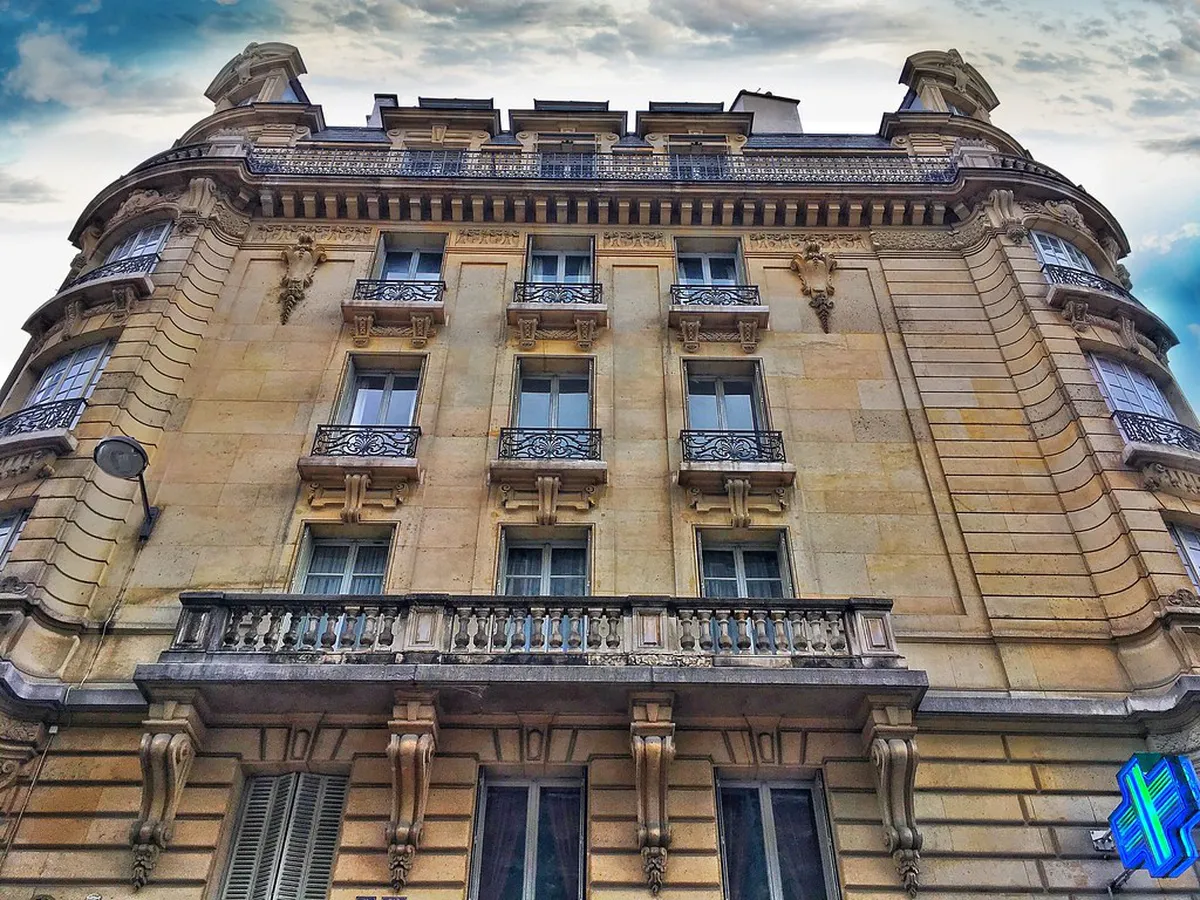
Buildings from this era utilize the famous local tufa stone found within the nearby region. This beautiful white limestone gives the local streets a bright and very clean appearance. You will notice many intricate iron balconies decorating the facades of these grand and historic structures. Most of these historic buildings stand at a height of exactly five or six stories.
Steep slate roofs are another key feature of this architecture in Angers found in the center. These dark roofs often include very decorative dormer windows that let light into top floor apartments. Every small detail shows the incredible craftsmanship and the wealth of the late nineteenth-century period. The balance between the white stone and dark slate creates a very classic French look.
The ground floors usually feature high ceilings and large glass windows for various high-end shops. Upper floors were designed as spacious apartments for the wealthy elite who lived in the city. You can see carved stone ornaments around the windows and the main entrances of these homes. These features demonstrate a commitment to beauty and permanence that defined the entire Haussmann era.
The Grand Boulevards and Public Urban Spaces
The Foch and Bessonneau boulevards are prime examples of the large streets created during this time. These long streets were specifically designed for grand social parades and very easy horse carriage travel. They replaced the old city walls with lush greenery and wide sidewalks for the local public. New public squares provided much-needed space for large gatherings and important community events.
Large trees were planted along the sidewalks to provide cool shade during the warm summer months. This urban transformation of Angers boulevards significantly improved the overall quality of city life. Citizens could finally enjoy fresh air and open spaces while walking through their modern city center. The new layout feels very similar to the famous districts found in central Paris today.
These boulevards also helped to connect different parts of the city more efficiently than ever before. Property values rose quickly as these areas became the most desirable places for people to live. Cafes and restaurants soon opened their doors to serve the crowds of people walking the streets. The boulevards remain the heart of social life for many residents living in Angers today.
Notable Buildings and Belle Époque Structures
The Grand Théâtre is a central masterpiece of the nineteenth-century style in the local area. It sits very proudly in the Place du Ralliement and serves as a major cultural landmark. Architects used tall classical columns and many rich ornaments to decorate the massive stone facade. This building represents the high level of artistic achievement reached during the late nineteenth century.
Private mansions also appeared along the new avenues to house the very wealthy local families. These Belle Époque villas in Angers show unique artistic details and very large private gardens. Many of these homes feature hidden courtyards that are tucked away behind heavy stone walls. They served as symbols of status and success for the rising middle class of the city.
Many of these historic buildings still host professional offices and luxury apartments in the modern era. The interiors often contain original wood floors and decorative plasterwork on the high bedroom ceilings. Preserving these internal details is a priority for owners who love the history of their homes. These structures provide a direct link to the glamorous lifestyle of the late 1800s.
Conservation of Historical Architecture in 2025
Angers protects its 19th-century heritage very carefully through many strict local laws and guidelines. Modern renovations must follow these rules to ensure the city maintains its very cohesive historical look. The white stone facades require regular cleaning to maintain their historical beauty and original charm. Residents truly value the delicate balance between preserving the old and embracing the new.
You can see this dedication to history during an Angers architecture walking tour led by experts. The city remains a perfect model for urban preservation while continuing to grow for the future. Local museums provide even more context about how these buildings were first designed and constructed. Visiting these sites helps travelers appreciate the effort required to keep the city looking beautiful.
Walking through the city center in 2025 feels like stepping back into a very elegant time. The harmony of the architecture creates a peaceful atmosphere that is perfect for slow exploration. Future urban projects aim to enhance these historical areas without damaging their unique and classic character. Angers will likely remain a top destination for fans of French urban planning for years.
Frequently Asked Questions
Is the architecture in Angers similar to the style found in Paris?
Yes, Angers shares many design elements with the Haussmann style popularized in the city of Paris. You will see wide boulevards and white stone buildings that look very similar to Parisian streets. This style was a national trend during the late nineteenth century across many major French cities.
When were the grand boulevards in Angers actually built?
Most of the grand boulevards were constructed between the years of 1850 and 1900. This period marked a major shift from medieval city planning to a more modern urban layout. The project took several decades to complete due to its massive scale and high costs.
Which area of Angers is best for seeing Haussmann architecture?
The best areas to explore include Boulevard Foch and the streets around the Place du Ralliement. These locations feature the most impressive stone facades and grand public spaces from that specific era. You can easily walk between these landmarks to see the best examples of the style.
What type of stone was used for these historic buildings?
Architects primarily used white tufa stone which was sourced from quarries in the nearby Loire Valley. This soft limestone allowed for very detailed carvings and gave the city a very bright look. It remains the most iconic building material for historical structures throughout the entire Angers region.
Angers offers a stunning look at the elegance of 19th-century urban design and planning. The grand boulevards and white stone facades are truly timeless symbols of French cultural history. You should plan your visit in 2025 to experience this beautiful and historic atmosphere yourself. Experience the lasting legacy of French urban history by exploring the streets of Angers today.
Key Takeaways
- Angers adopted Haussmann styles in the late 1800s to modernize its medieval city center.
- The use of white tufa stone and slate roofs defines the classic local architectural look.
- Grand boulevards like Foch were created to improve public hygiene and social movement.
- The Grand Théâtre remains a primary example of nineteenth-century artistic and architectural achievement.