
Abbey of Saint-Nicolas Architectural Ruins: Angers Guide
Explore the Abbey of Saint-Nicolas architectural ruins in Angers. Discover medieval history and Angevin heritage in 2025. Plan your site visit today!
On this page
The Abbey of Saint-Nicolas architectural ruins offer a glimpse into medieval Angers. This historic site sits quietly in the La Doutre district. It represents centuries of religious and structural evolution. Travelers often overlook this peaceful hidden gem.
Count Foulques Nerra founded this massive abbey in 1020. It once stood as a powerful symbol of spiritual authority. Today, the ruins provide a unique atmospheric experience for visitors. You can explore the site for free in 2025.
A History of the Abbey of Saint-Nicolas
The abbey began as a Benedictine monastery over a thousand years ago. Foulques Nerra chose this location for its strategic importance. The original Romanesque structures were grand and imposing. It served as a vital spiritual hub for the city.
The abbey underwent many changes over the centuries. Conflicts during the French Revolution led to its partial destruction. Much of the original stonework was lost during this time. Today, only hauntingly beautiful fragments remain for us.
Restoration efforts in 2025 focus on preserving the surviving walls. Local historians work to document every carved stone found. These efforts ensure the site remains safe for future visitors. You can feel the weight of history here.
The ruins now stand as a testament to Angevin resilience. They tell stories of power, faith, and eventual decay. Walking through the grounds feels like stepping back in time. It is a must-see for history lovers.
Architectural Features of the Ruins
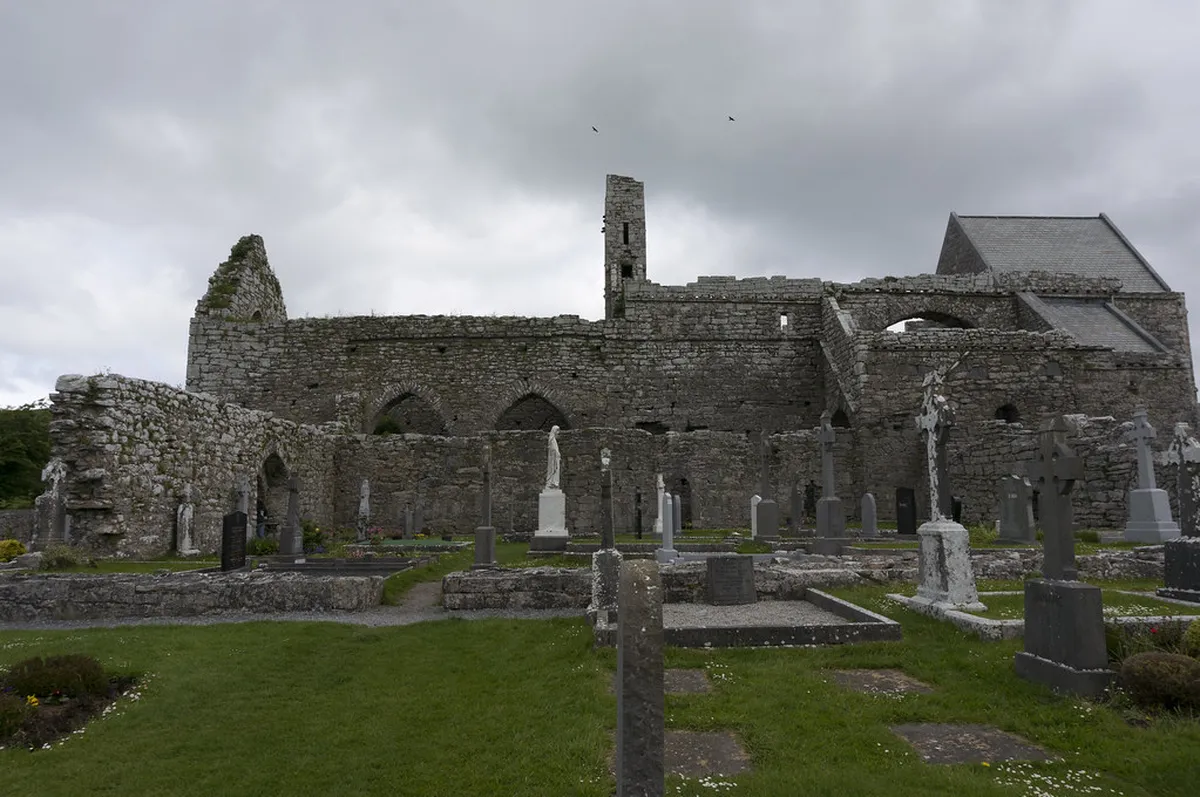
The Abbey of Saint-Nicolas architectural ruins display early Romanesque styles. You can see thick limestone walls and rounded arches. These features reflect the building techniques of the 11th century. The craftsmanship remains impressive despite the damage.
Visitors can still identify the layout of the old cloister. Some pillars show faint traces of decorative carvings. These details provide clues about the abbey's former wealth. The scale of the nave is still visible today.
Notice the specific masonry patterns used by medieval builders. Small window openings highlight the defensive nature of early churches. The stones often come from local quarries in the region. This gives the ruins a distinct golden hue.
Look for the remnants of the vaulted ceilings. These structural elements show the transition toward Angevin Gothic style in later sections. Every corner holds a unique architectural secret. Photographers will love the play of light here.
Exploring the La Doutre District Context
The abbey is a core part of La Doutre district architecture. This neighborhood sits on the west bank of the Maine. It is famous for its narrow streets and timbered houses. The area feels more residential and authentic.
Exploring La Doutre reveals a different side of Angers. You will find several medieval hospitals and grand mansions. The district escaped the heavy modernization seen in the center. It retains a charming and quiet atmosphere.
Start your walk from the Maine river banks. Follow the winding paths toward the Saint-Nicolas park. The abbey ruins sit nestled within this green space. It is a perfect spot for a quiet stroll.
The surrounding buildings complement the ruins perfectly. You will see examples of 16th-century stonework nearby. These structures create a cohesive historical landscape for visitors. It is an ideal setting for architectural study.
Planning Your Visit in 2025
Visiting the ruins in 2025 is easy and free. The site is located on Rue Saint-Nicolas in Angers. It remains open to the public during daylight hours. Most visitors spend about forty-five minutes on site.
Spring and summer are the best times for a visit. The gardens around the ruins bloom beautifully in May. You should wear comfortable walking shoes for the uneven ground. Bring a camera to capture the dramatic shadows.
The site is accessible via the local tram line. Stop at the Doutre or Moliere stations for access. Several small cafes are located within a short walk. You can enjoy a coffee near the ruins.
Check the local tourism office for special guided tours. These tours often provide deeper insights into the ruins. They run most frequently during the peak summer months. Booking in advance is recommended for large groups.
Why These Ruins Matter for Angevin Heritage
These ruins represent the religious power of the Anjou region. They remind us of the influence held by the counts. The abbey was once a center for learning and art. Its decline reflects broader shifts in French history.
Preserving these fragments helps maintain the city's unique identity. Angers takes great pride in its architectural heritage. The ruins serve as an open-air museum for everyone. They connect the modern city to its ancient roots.
Local schools often use the site for history lessons. Students learn about medieval construction and local geology here. It is an active part of the community's life. The ruins are far from being forgotten.
Future plans include more interactive signage for visitors. Digital reconstructions might soon show the abbey's original glory. This will enhance the experience for tech-savvy travelers. The site continues to evolve in 2025.
Frequently Asked Questions
Where are the Abbey of Saint-Nicolas ruins located?
They are in the La Doutre district of Angers. The site is near the Maine river. You can find them within the Parc de la Garenne.
Is there an entry fee for the site?
No, the ruins are free to visit. They are part of a public park space. You can enjoy the grounds without any cost.
Can I take photos of the ruins?
Yes, photography is allowed and highly encouraged. The morning light is best for pictures. You will find many great angles for architectural shots.
The Abbey of Saint-Nicolas architectural ruins are a highlight of Angers. They offer a unique look at medieval religious life. Make sure to explore the rest of the architecture in Angers during your stay. This city never fails to impress visitors.
Key Takeaways
- The ruins date back to the 11th century.
- Entry to the site is free for everyone.
- The location is in the historic La Doutre district.
Related reads: architecturebycity.com.