
Cathedral of Saint-Pierre Interior: Annecy Guide
Discover the stunning Cathedral of Saint-Pierre interior in Annecy. Explore 16th-century art, history, and Gothic design in this 2025 travel guide.
On this page
The Cathedral of Saint-Pierre interior offers a unique look at the deep Savoyard history of France. This 16th-century building sits quietly in the heart of the beautiful and historic Old Town area. Visitors often admire the subtle blend of Late Gothic and Renaissance styles found within these walls. It remains a centerpiece for anyone studying religious architecture in Annecy during their 2025 travels.
Historical Origins of the Cathedral
The cathedral dates back to the early years of the 16th century in Annecy. It originally served as a humble Franciscan chapel for the local monk community during that era. Jacques Rossel designed the massive building for the local friars who lived in the city. Construction finally finished around 1535 during a period of great religious and social change.
The facade displays classic Renaissance elements that were very popular during that specific time. You can see circular windows and clean stone lines on the exterior of the building. These features differ from the more ornate Gothic styles found in other parts of France. The structure represents a significant shift in local design toward a more classical aesthetic.
The site officially became a cathedral in 1822 to serve the growing local population. It played a major role in the Catholic Counter-Reformation movements across the Savoy region. Saint Francis de Sales once preached within these historic walls to his many followers. This history adds deep meaning to every visit for those interested in local heritage.
The surrounding streets also reflect the medieval and Renaissance history of this beautiful lake city. You can find many small shops and cafes near the entrance of the cathedral today. Taking a walk after your visit helps you appreciate the urban design of old Annecy. The cathedral serves as a perfect starting point for your exploration of the local history.
Cathedral of Saint-Pierre interior layout
Stepping inside the Cathedral of Saint-Pierre interior reveals a massive and very impressive space. The central nave stretches wide to welcome many worshippers into the heart of the church. High vaulted ceilings create a sense of grand scale for every visitor who enters here. Light filters through the tall windows to illuminate the gray stone walls with a glow.
The side aisles provide a quiet place for reflection away from the busy main nave. Sturdy pillars support the heavy weight of the ancient and decorative stone roof above you. Each stone block tells a story of careful craftsmanship performed by local workers long ago. The atmosphere feels both solemn and deeply peaceful for guests exploring the building in 2025.
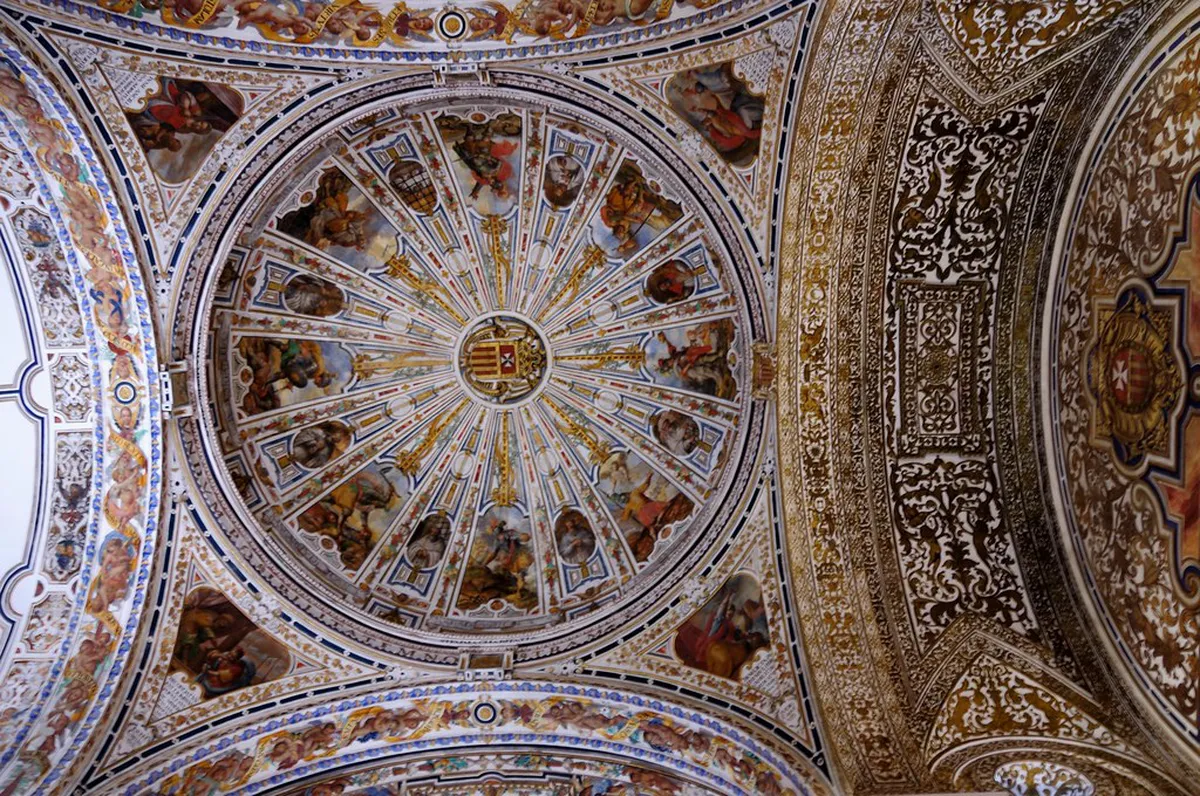
You will quickly notice the impressive height of the main arches within the central nave. They guide your eyes upward toward the decorative ceiling that spans the entire church interior. The layout follows a traditional cruciform plan that is very common in classic French architecture. This specific design helps distribute sound perfectly during the many musical performances held here.
Walking on the ancient stone floor feels like a journey back into the long past. These stones have carried thousands of visitors over the many years of the building's life. Maintenance efforts in 2025 keep the interior space in excellent condition for the modern public. It is a rare chance to see such well-preserved history in the heart of France.
The Artistic Features and Side Chapels
The main altar serves as the primary focal point inside this historic religious building in Annecy. It features intricate carvings and gold leaf accents that catch the natural light quite beautifully. Master artists created these works to inspire local congregations during the late Renaissance period of history. The detail on the dark wood is quite remarkable for modern visitors to see today.
Various side chapels offer more intimate spaces for quiet prayer and private reflection for visitors. Each small chapel honors a different saint or an important historical figure from the region. You can find beautiful paintings and small statues tucked away in these quiet stone alcoves. These elements enrich the religious architecture in Annecy significantly for all who visit the site.
The wooden pulpit stands out with its ornate designs and highly detailed carvings from the past. It shows the incredible skill of Savoyard woodworkers who practiced their craft many centuries ago. You can see famous scenes from the Bible carved into the dark and polished wood. This craftsmanship represents the true peak of local artistic talent found in the Haute-Savoie.
Large canvases hang on the walls of the cathedral to tell religious stories visually. These paintings date back several hundred years and show the devotion of the local people. The colors remain quite vibrant despite the passage of much time in this damp climate. Seeing these works in person provides a greater appreciation for the art of the region.
The Grand Pipe Organ and Acoustics
The grand pipe organ is a masterpiece of 19th-century engineering found in the rear. It sits high above the main entrance on a sturdy and decorative wooden balcony. The silver pipes reach toward the ceiling in a stunning display of musical and visual art. Its powerful music fills the entire cathedral during the special religious services held each week.
This large instrument was originally built by a royal organ builder for the French cathedral. It underwent a full restoration recently to maintain its unique and very beautiful sound quality. Now it serves as a major highlight for music lovers visiting the city of Annecy. Organ concerts are very common during the warm summer months for the public in 2025.
The heavy wood casing around the pipes is finely detailed to match the other features. It coordinates perfectly with the other wooden elements found throughout the rest of the building. Hearing the organ play is a powerful sensory experience for everyone inside the cathedral walls. The natural acoustics of the nave amplify every single note for a truly heavenly sound.
Comparing Local Religious Architecture
Annecy features several notable examples of sacred building design that visitors can explore today. The Cathedral of Saint-Pierre interior differs from Saint Maurice Church which is located nearby. While Saint-Pierre uses Renaissance lines, Saint Maurice showcases a very distinct Flamboyant Gothic style. Both buildings offer unique views of the rich religious heritage found within the city.
The local churches in this region are very diverse and cover many different historical periods. You can see various styles ranging from the early medieval times to the modern era. Saint-Pierre acts as a historic bridge between these different and very interesting design phases. It shows how architectural tastes changed over the many centuries of Savoyard rule during the past.
Visitors should also make time to explore the smaller chapels found in the town center. Each religious site offers a different perspective on the evolution of local faith and art. However, the cathedral remains the most significant official site for the local Catholic diocese. It holds a very special place in the heart of the entire Savoy region.
Photography Tips for the Interior
Capturing the Cathedral of Saint-Pierre interior requires some careful planning for the best possible results. The best light enters through the stained glass windows during the middle of the morning. This soft glow highlights the textures of the old stone and the wooden art pieces. Tripods are generally not allowed inside the holy space to ensure visitor safety and respect.
You should look for architectural photography spots near the side aisles for better depth. These specific angles provide more visual depth and show off the impressive vaulted stone ceilings. High ISO settings will help you in the lower light conditions found inside the building. Always remember to turn off your camera flash to avoid disturbing other visitors or worshippers.
Respect the local worshippers while you take your photos within this active place of prayer. Avoid taking any pictures during the daily mass services held for the local Catholic community. The cathedral is completely free to enter for all visitors throughout the entire year. This makes it an accessible spot for amateur photographers who enjoy historic European church design.
Frequently Asked Questions
What are the opening hours for the cathedral?
The cathedral is usually open daily from 9:00 AM until 7:00 PM for all visitors. Admission is free, but donations are always welcome to help with the ongoing building maintenance.
Is the interior accessible for travelers with disabilities?
Yes, the main interior floor of the cathedral is flat and accessible for all wheelchair users. Some side chapels may have small steps that could be difficult for some people to navigate.
Where is the Cathedral of Saint-Pierre located?
It is located on the Rue Jean-Jacques Rousseau in the heart of the Old Town. You can easily find it near the canals and other historic sites in central Annecy.
Exploring the Cathedral of Saint-Pierre interior provides a deep connection to the history of Annecy. This site offers a peaceful retreat filled with beautiful art and stunning 16th-century architecture. Make sure to visit this landmark during your next trip to the French Alps in 2025. It remains a must-see destination for every traveler who appreciates the beauty of historic churches.
Key Takeaways
- Visit during mid-morning to capture the best natural light for your photos.
- The 19th-century pipe organ is a must-see highlight of the cathedral interior.
- Entrance to this historic religious site is completely free for all tourists.
Related reads: architecturebycity.com, architecture in annecy, basilique de la visitation neo romanesque style.